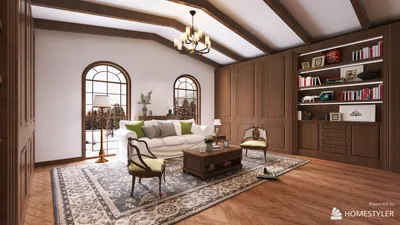


Creating a compact two-storey home requires meticulous planning. I see it as a synchronized system where movement, storage, and natural light play crucial roles. In limited spaces, each choice—from how doors swing to stair design and window placement—greatly impacts both functionality and the perception of space. Research from Gensler highlights that natural light is essential to making a space feel inviting and productive, proving that daylight enhances both form and function, particularly in smaller homes where the illusion of space is critical. Insights from Steelcase complement this notion: environments that allow for a variety of postures and flexible uses outperform inflexible designs. I directly apply this principle to create versatile rooms within tightly designed houses, often utilizing tools like Homestyler for layout optimization.
Effective design is rooted in solid evidence. According to the IES, achieving balanced lighting and managing glare are essential for visual comfort. In upper-level spaces, where sloped ceilings and dormers often exist, I aim to adjust task lighting to approximately 300–500 lux in kitchen and study areas, while ensuring ambient light remains at a gentle 150–200 lux to avoid stark contrasts. WELL v2 emphasizes the importance of access to natural views and light that supports circadian rhythms—by using high transmittance glass alongside light settings of around 2700–3000K in living spaces and 3500–4000K in work areas, I help small rooms maintain a calm yet focused atmosphere. These standards inform the critical design choices we make, ensuring they are grounded in best practices rather than arbitrary decisions.
Main Floor Design: Flow, Storage, and Visual Harmony
To optimize circulation, I limit it to under 12–15% of the overall floor area. Strategically aligning doors establishes clear sightlines throughout the home—what I refer to as visual harmony—allowing rooms to feel more spacious mentally. A galley kitchen can enhance this perception by maintaining a 100–110 cm aisle and incorporating full-height storage options. In compact living and dining setups, layered seating options (such as a bench and armless chairs) are preferable to large sofas. When considering wall and furniture layouts, I frequently validate choices using design simulation tools like Homestyler to ensure appropriate clearances and movement before finalizing any design.
Efficient Stair Design: Functionality, Light, and Safety
In a compact two-storey house, the stairs serve as a pivotal architectural feature. I favor straight or compact L-shaped stairs designed at a 35–38° angle, with risers approximately 17–18 cm and treads between 25–27 cm for comfortable navigation. The space beneath the stairs can be utilized for deep storage or a built-in workstation. If the staircase is positioned near a window, I typically install a large window alongside it to create a light shaft, allowing daylight to illuminate both floors and reduce dependence on artificial light during the day. LED strips, integrated into the handrail at around 3000K, provide gentle illumination for safe navigation at night without excessive brightness.
Ceiling Strategies and Vertical Layouts
In constrained floor areas, ceiling height becomes a valuable asset. I employ two strategies: sleek, trimless lighting to enhance the ceiling’s appearance and a subtle 30–40 mm recessed plane in dining or kitchen areas to define these spaces functionally. In living rooms, I prioritize high, uncluttered ceilings. The interplay of vertical elements (like tall bookcases and full-length drapes) with low-profile furnishings creates a visually spacious ambiance. Acoustic panels, cleverly disguised as art, placed behind sofas help absorb sound, facilitating easier conversations within these smaller areas.
Open Yet Defined Spaces: Flexible Divisions
Using sliding screens, pivot doors, and half-height bookcase dividers allows for the creation of distinct areas while still inviting daylight into the space. I often opt for ribbed glass to maintain privacy while still allowing natural light to filter in. On the upper floor, a flexible partition can transform a landing into a small study during the day and a cozy guest nook at night. The key element here is the thresholds: keeping them noticeable yet slim. A 60–80 cm deep entryway with storage solutions and a bench helps prevent clutter from spreading into living areas.
Kitchen Solutions for Limited Space
Compact kitchens flourish with well-defined workflows. I maintain a tight work triangle and position tall appliances along a single wall to minimize visual bulk. Pull-out pantries measuring 30–40 cm in width are more effective than deep, difficult-to-reach cabinets. Task lighting beneath wall units should achieve 300–500 lux, while ambient lighting should stay around 200 lux for a harmonious feel, as recommended by IES. Using matte finishes also helps reduce glare. Whenever possible, I incorporate pocket doors to hide utility spaces without occupying crucial swing area.
Bathroom Design: Light, Storage, and Sound Privacy
Wall-mounted fixtures free up floor space, enhancing both cleanliness and air circulation. Clear glass shower enclosures make bathrooms feel larger; positioning mirrors across from windows amplifies the influx of daylight. I incorporate storage niches framed by studs to prevent cabinetry from encroaching on tight pathways. For better sound privacy, solid-core doors are favored along with materials like cork or rubber-backed tiles that help dampen noise—smart solutions for compact living environments.
Upstairs Bedrooms: Serenity, Color Choices, and Routine
In the upstairs area, tranquility and routine take precedence. I lean towards warm-neutral color schemes with subdued palettes and configure lighting to 2700K in bedrooms to facilitate relaxation, abiding by WELL recommendations. According to Verywell Mind’s findings in color psychology, shades of blue and soft greens promote calmness; I use them as accents to maintain a grounded feel rather than a cold atmosphere. Built-in headboard niches negate the need for freestanding nightstands, and wall-to-wall closets with integrated drawers promote a tidy space. Additionally, it's vital to ensure a minimum of 60 cm clear circulation space around the bed for comfort.
Managing Daylight and Controlling Glare
In smaller homes, precise window placements are crucial. I prefer taller, narrower windows that enhance sightlines upward. Light shelves in south-facing rooms allow daylight to permeate deeper into the space without creating glare. Layering sheer panels with blackout curtains provides users with enhanced control over light throughout the day. For stairwells and bathrooms, frosted or ribbed glass ensures privacy while still allowing for even light distribution.
Materials and Sustainability in Compact Living
Choosing the right materials is essential; they should be durable, pleasant to touch, and responsibly sourced. I utilize low-VOC finishes and resilient flooring that withstands heavy use—options like engineered wood or cork add warmth, while porcelain works well in wet spaces. Sustainability is integrated from the start: robust materials decrease the need for replacements in limited budgets, and lighter colors help create an illusion of more space. WELL v2’s air quality metrics also guide my choice towards materials that are easy to clean, support strong ventilation, and incorporate entry mats to minimize dust buildup.
Invisible Storage Solutions Beyond Closets
Creative storage solutions like under-stair drawers, toe-kick pull-outs in kitchens, and deep window seats enhance storage capabilities without overwhelming the space. I strive for built-ins that fit flush to walls and provide integrated power outlets for device charging. In living areas, a continuous low cabinet can stretch across an entire wall, serving as display space, bench seating, and storage. Additionally, for compact plots, external storage solutions such as bench boxes on patios or sleek garden sheds help keep rarely used items out of indoor environments.
Sound Control: Managing Noise in Small Spaces
With minimized space, sound becomes more pronounced. I mitigate reverberation by incorporating dense rugs, fabric curtains, and acoustic panels in entertainment zones. Ensuring door seals remain tight and utilizing soft-close mechanisms aids in sound reduction. In stair halls, decorative elements such as felt-wrapped balustrades or perforated wood panels with acoustic backing provide refined noise attenuation.
Workspaces and Flexible Mini-Rooms
A compact two-storey design benefits from strategically placed micro-zones. A landing with a 90 cm writing desk, an under-stair workstation, or a library wall by the window can provide focused areas without the need for standalone rooms. Research from Steelcase supports varying postures—hence, choosing a compact adjustable desk with appropriate task lighting set to 3500–4000K helps maintain focus without causing strain.
Outdoor Connections: Balconies, Terraces, and Entrances
Even modest terraces can extend indoor space. French doors with minimal thresholds create a seamless transition to the outdoors. I often include storage-benches, wall-mounted planter boxes, and a small café table to enhance functionality. Exterior lighting set to 2700K contributes to a warm atmosphere for evening use while minimizing glare on indoor areas.
Simulation and Layout Testing
Prior to any construction, I analyze multiple layouts to refine space use and establish clear visual links. Tools like an interior design visualization platform, such as Homestyler, allow for quick adjustments to furniture placements, door swings, and sightlines. This method uncovers potential conflicts—like a refrigerator obstructing a staircase—while keeping the design adaptable.
Professional Standards for Comfort and Well-Being
When determining light levels, managing glare, and prioritizing wellness, I rely on standards from IES for task illumination and glare control, alongside WELL v2’s recommendations for both lighting and air quality. These resources ensure my decisions for small spaces are rooted in proven performance rather than personal taste.
Common Questions
To create clear sightlines, align furniture thoughtfully, choose armless seating, and install a continuous low cabinetry unit along one wall. Maintain soft ambient lighting and incorporate focused task illumination to prevent overly bright areas.
Straight or L-shaped stair designs at about 35–38° provide comfortable ascent and effective storage underneath. Positioning a tall window beside the stair enhances daylight flow throughout both levels.
Use a color temperature of 2700–3000K in living areas and bedrooms for a warm ambiance; utilize 3500–4000K in workspaces for clarity. In kitchens, task lighting should align with IES guidelines of 300–500 lux, while ambient illumination remains around 200 lux to ensure balance.
Incorporate solid-core doors, soft-close mechanisms, and sound-absorbing fabrics like rugs and acoustic panels. In stairwells, consider using perforated wood or upholstered panels to help minimize echo.
Maximize storage potential with built-ins: under-stair drawers, toe-kick pull-outs, window seats, and extensive low cabinetry that spans wall to wall. Ensure surfaces remain flush and include integrated power outlets for convenience.
Consolidate tall appliances along a single wall, ensure a 100–110 cm aisle width, and opt for pull-out pantries with a width of 30–40 cm. Matte finishes help to diminish glare; consider pocket doors to conceal utility zones effectively.
Employ warm neutrals complemented by soft blue or green accents for a serene atmosphere. Adjust lighting to around 2700K to support relaxation in line with WELL guidelines for circadian-friendly illumination.
Model circulation patterns and dimensions digitally using a room design visualization tool, like Homestyler. This allows you to iterate on aspects such as door swings and furniture layouts to catch potential conflicts early in the planning process.
Yes—implement sliding or pivot partitions, ribbed glass, and half-height bookshelves to create defined areas while maximizing daylight exposure. Ensure that thresholds are slim and storage options are cleverly integrated.
Small terraces serve as significant extensions of living space. Use French doors, built-in storage benches, and warm 2700K lighting to enhance outdoor enjoyment and comfort during the evenings.
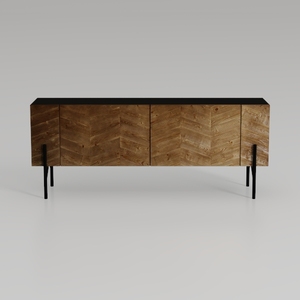
Modern Chevron Solid Wood Metal Sideboard 3D Model
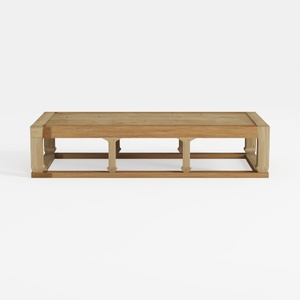

Minimalist Solid Wood Rectangular Coffee Table 3D Model
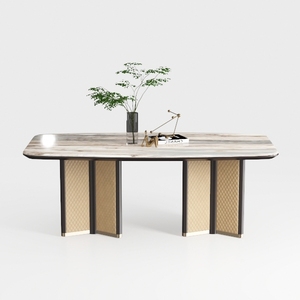
Modern Marble Top Metal Frame Luxury Dining Table 3D Model
Looking to transform your home? Try Homestyler! This user-friendly online design platform offers a fantastic design tool, stunning 3D renderings, and a treasure trove of inspiring projects and video tutorials. Easily bring your ideas to life and create the perfect space effortlessly!
Progetta ora GRATIS
































