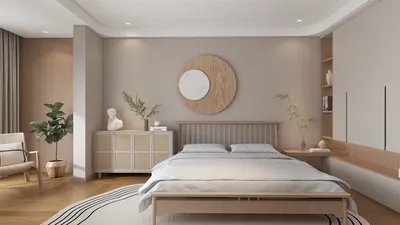


Over the years, I have honed my skills in creating compact modern house designs ideal for quick construction in Minecraft, all while ensuring they remain visually striking and practical for daily gameplay. The essence of small modern builds lies in clean geometric shapes, intelligent combinations of materials, and efficient floor plans that maintain an airy feel. The objective here is to craft quickly assembled homes that prioritize thoughtful proportions, ample natural light, and a visually appealing color palette that is attractive from every viewpoint. Incorporating tools like Homestyler can greatly facilitate this process, allowing for enhanced visualization during design.
Effective design, even within the Minecraft universe, requires a certain level of discipline. The WELL Building Standard in real-world interiors emphasizes the importance of access to daylight, glare reduction, and an overall sense of spatial comfort. WELL v2 recognizes light as a fundamental aspect, as it fosters visual clarity and supports circadian rhythms. To reflect this concept, I make sure to keep window bands continuous and incorporate shading overhangs to manage contrast levels. As stated by the Interaction Design Foundation, having clear pathways and intuitive layouts reduces cognitive load; I apply this methodology in my Minecraft plans by ensuring paths are legible and areas remain uncluttered.
Exploring the intersection of color and mood, Verywell Mind notes how neutral tones can provide calmness, while accent colors boost energy levels. For my projects, I typically start with a modern base of white concrete and smooth stone, highlighted by spruce or dark oak trims combined with a single accent, like cyan glass or sea lanterns. This strategy creates a rhythm that avoids visual chaos. Due to the compact nature of these homes, exercising moderation in design choices is especially important, much like the principles seen in real-world micro-living environments, enhanced using tools like Homestyler.
1. Micro Courtyard House (6×8)
The footprint measures 6×8 blocks with a height of two levels. Constructed from white concrete walls, a gray concrete floor, and a birch slab roof, this design incorporates a 3×3 internal courtyard that is open to the sky, providing light while reducing visual pressure. A one-block deep planter filled with leaf blocks softens the facade, while continuous glazing at eye level ensures a pleasant outlook from both sides. Inside, the layout includes a kitchen nook (2×3), a ladder core, and a lofted bed, with the courtyard functioning as a lightwell to mitigate the common dark-corner issue often faced in small builds.
2. One-Chunk Linear Loft (16×16)
By keeping the design within a single chunk, we achieve enhanced performance and simplicity. The layout follows a linear approach: entry, living space, a galley kitchen, with a lofted sleeping area above. The materials used are a smooth stone base, a white concrete shell, and warm dark oak accents. Applying a solid-to-glass ratio of 1:2—two blocks of wall for every one block of window band—ensures sufficient daylight without overwhelming exposure. Moreover, a one-slab roof overhang can effectively manage the solar angle, giving an aesthetic nod to brise-soleil designs. Carpets delineate zones without walls, maintaining a clear layout.
3. Split-Level Creek House
This design places the structure partially on land and partially over water, utilizing spruce trapdoors as a modern screen on the water-exposed side, adding texture to the build. The living area flooring drops by one block, creating a split-level effect that visually distinguishes spaces. Glass railings maintain clean sightlines, and sea lanterns featured beneath the deck produce a gentle nightlight. The 5×9 footprint allows for a minimal material count while providing a diverse spatial experience.
4. Diagonal Box with Corner Windows
This design rotates the structure 45 degrees to align with the terrain grid. Featuring corner windows formed by two glass panes meeting, it presents a modern aesthetic and offers panoramic views. The structure utilizes quartz blocks for crisp corners, white concrete infill, and polished andesite flooring. Keeping the diagonal axis unobstructed, the entry aligns with the long axis, the kitchen sits against the rear wall, and a sleeping mezzanine rests above. This diagonal arrangement lends a dynamic quality to the facade, even on a small scale.
5. Low-Profile Skylight Studio
Designed with a flat roof and a central 2×4 skylight, this studio layout remains minimal in height. The interior comprises a bed, desk, and a compact storage wall. The use of white concrete enhances reflection from the skylight, while dark oak accents refine the perimeter. Incorporating lanterns with a color temperature equivalent to 2700–3000K creates a warm ambiance conducive to relaxation, aligning with human-centric lighting practices identified by WELL; warm light facilitates winding down, while cooler daylight is optimal during daytime.
6. Two-Module Courtyard Duo
This design connects two 5×5 modules with a 3×5 open courtyard. One module serves as a living/kitchen space, while the other is designated for sleeping/work. Keeping the modules identical ensures aesthetic consistency. The facade showcases a banding pattern: the top third solid, the middle third glazed, and the bottom third mixed panels. A continuous slab roof with a one-block clerestory over the courtyard adds visual depth. Those wishing to visualize furniture layout and circulation can utilize a room layout tool like Homestyler for more effective planning.
7. Compact L-Plan with Privacy Screen
The L-shaped plan wraps around a micro patio, while a row of spruce trapdoors or bamboo fences creates a privacy screen on the street-facing side. Window bands orient towards the patio, managing views while allowing for internal brightness. Polished diorite floors provide a modern touch complemented by warm materials like acacia accents. The storage wall maintains a depth of one block, utilizing an alternating design of trapdoors and stairs for a pseudo-open shelving effect.
8. Stilted Bay Cabin
Elevate the structure two blocks above ground level using stone brick pillars. This design reduces visual mass while creating a usable shadow underneath for storage or a small dock. The glazing wraps around three sides, using a rhythm of 2:1 (two panes, one pillar) to achieve balance. The roof overhangs by two slabs for additional shade, with the ladder core situated at the back wall to enhance efficiency.
9. Minimal Atrium Rowhouse
Maintaining a footprint of 7×11, this design features a central two-block-wide atrium shaft. The layout includes lower living and upper sleeping areas, as well as a perimeter balcony overlooking the atrium. Materials include white concrete, glass panes, and smooth stone slabs for stairs, with the atrium serving to draw daylight into the home's core, making it feel more spacious.
10. Stepped Terrace Microvilla
The design features three terraces that ascend one block each: entry, living area, and a roof garden. Grass and leaf planters adorn the roof, with hidden irrigation features underneath slabs. The facade incorporates quartz for sharp edges and white concrete planes, with a horizontal window ribbon at the living level. Soft lighting beneath the roof edge adds an inviting glow during the night.
Material Palette and Visual Balance
Modern aesthetics thrive on restraint. Aim for a primary material (white concrete), a secondary option (smooth stone/polished andesite), a warm accent (dark oak/spruce), and a unique feature (glass/sea lantern). Textures should remain smooth, avoiding an overload of patterns. It’s essential to maintain a spatial ratio of approximately 60% solid materials, 30% glass, and 10% accents for clarity and minimal visual clutter, which can easily be achieved using a tool like Homestyler for optimal visual balance.
Lighting and Ergonomics
Prioritize daylight first, followed by warm lighting for evening ambiance. Continuous eye-level window bands yield an even luminance, significantly reducing glare compared to sporadic openings—this aligns with IES guidelines which state that uniform lighting enhances visual comfort. It’s advisable to position ladders or stairs in consistent locations (either at the back wall or to the side) to streamline pathways, while maintaining a clear 2-block headroom in circulation routes prevents claustrophobia, making movement feel more natural and inviting.
Spatial Intention and Behavior
Even in compact homes, purposeful zoning remains beneficial. Create a social core within the living/kitchen area, a tranquil corner for sleeping, and a well-lit workspace. To reduce noise, keep disruptive functions away from the sleeping zones and allocate storage along darker walls. Defining spaces with carpets or varying ceiling heights, rather than thick walls, preserves a sense of openness and flow within the design.
Sustainability Mindset (In-Game)
Utilize locally sourced materials to minimize travel time and maintain organization. Opt for renewable wood derived from nearby biomes and easily extractable stone. Lanterns serve as effective lighting sources, while integrating leaf planters and water features can evoke micro-biophilic effects—reflecting human comfort principles shown in workplace studies by Gensler, linking views and nature to enhanced well-being.
Planning Workflow
Start by deciding on the footprint, selecting materials, establishing window positions, determining the stair or ladder core, and proceeding to furnish the space. Keep changes minimal and structural, such as widening window bands, extending roof overhangs, and refining storage areas. For testing different interior configurations, utilizing an interior layout planner can expedite the process, providing clear visualizations of adjacency and functionality, especially with tools like Homestyler.
FAQ
I typically aim for footprints between 6×8 and 7×11, designed with two levels in mind. Implementing a lightwell or skylight can make smaller designs feel more expansive, while ensuring a 2-block headroom coupled with continuous window bands aids in visual relief.
For the construction materials, I suggest utilizing white concrete or quartz for the walls, pairing smooth stone or polished andesite for flooring, and incorporating dark oak or spruce as warm accents. It’s effective to limit the palette to 3–4 different materials for cohesion.
Creating horizontal window ribbons alongside slab overhangs can optimize exposure and shade. Uniform bands facilitate even illumination, supporting principles established by IES lighting standards. Overhangs further refine proportions while enhancing aesthetics.
Direct most glazing towards a courtyard or patio for better lighting. On the public-facing side, consider using trapdoor screens or fence slats for visual privacy. An L-shaped design encompassing a micro courtyard strikes a balance between openness and seclusion.
Using carpets and integrating changes in ceiling height can effectively define spaces. It’s ideal to keep the stair or ladder core in consistent locations, employing one-block-deep storage walls made from trapdoors and barrels for a streamlined effect.
For evening settings, warmer lighting sources such as lanterns or torches positioned behind trapdoors evoke a 2700–3000K atmosphere, which is comforting. Daytime lighting needs should rely on skylights and window bands to replicate brighter, cooler daylight.
Construct flat slab roofs with one-block clerestories, or maintain low-slope slabs with clean parapets. Extending the roof by a slab can provide shadow lines and improve the overall composition of the facade.
Rotating the plan design can introduce dynamic façades, elongating sightlines within the same footprint, which can make the space appear larger. Incorporating corner windows amplifies views while reinforcing a modern character.
Sketch out the footprint, fix circulation paths, and then iterate the furniture and glazing placements. Using a room design visualization tool can assist in simulating proximity and scale effectively.
Maintain just one accent choice—whether it’s cyan glass, sea lanterns, or a singular wood type—to support color balance; research from Verywell Mind highlights that a well-balanced color scheme can positively influence mood. Within the game, a consistent accent can contribute to overall cohesion.

Minimalist White Fabric Extra Large Sectional Sofa 3D Model

Minimalist White Fabric Tufted L Shaped Sectional Sofa 3D Model
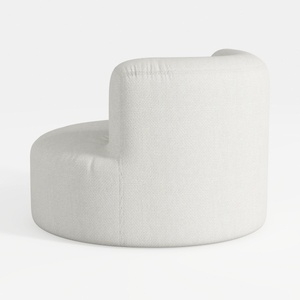
Minimalist Fabric Curved Accent Armchair 3D Model
Looking to transform your living space? Homestyler is your go-to online home design platform! With its user-friendly design tool, stunning 3D renderings, and a wealth of DIY video tutorials, you can effortlessly create and visualize your dream interiors. Unlock your creativity today!
今すぐ无料でデザイン
































