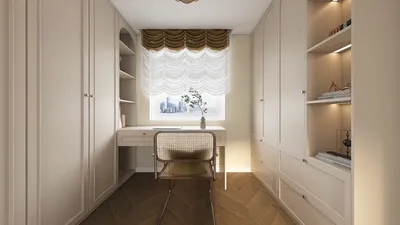


I approach the design of compact homes with the same meticulousness applied to workplace and hospitality environments. Every inch of space should serve a purpose while fostering an atmosphere of ease and positivity. A thoughtfully designed small one-bedroom house can offer unexpected spaciousness and tranquility by arranging circulation, lighting, and storage around our everyday rituals rather than merely focusing on square footage.
Design Focus for Compact Living
When working within constrained spaces, simplicity is key. I begin by analyzing daily activities—morning routines, cooking habits, and remote work needs—to create an efficient circulation loop that minimizes dead ends. Research has consistently highlighted the importance of light and ergonomics for well-being and productivity. According to WELL v2 guidelines, ideal ambient lighting levels range from 300–500 lux for living areas, allowing for glare control and customizable color temperatures that enhance visual comfort and alertness. Studies by Steelcase indicate that individuals experience heightened productivity and satisfaction when their posture is supported throughout the day. This concept translates into homes where flexible seating, adjustable tables, and layered work surfaces are integral. Therefore, a small home flourishes through quality lighting and human-centric design, not just smart storage solutions. For more on WELL v2 lighting recommendations, visit wellcertified.com.
Establishing the Framework: Circulation, Zoning, and Micro-Rooms
Before placing furniture, I prioritize the foundational layout: an ideal one-bedroom home within 900 to 1,100 square feet benefits from a well-defined spine—either a central hallway with sightlines or a perimeter route that connects the kitchen, living area, and bedroom while avoiding cramped spaces. I ensure my designs feature doorways at least 32 inches wide for accessibility, with circulation spaces measuring between 36 and 42 inches, and a depth in the living zone that supports a comfortable viewing distance of 7 to 9 feet from sofa to screen. For clients who prefer to experiment with layouts, a room layout tool proves invaluable, helping them visualize various options and simulate furniture arrangements and traffic flow:
room layout tool
Micro-rooms—such as reading nooks, compact desks, or plant bays—add personality without infringing on the overall design. The objective is to create a harmonious rhythm of open areas and framed niches. This arrangement offers visual relief and subtly enhances the perceived length of the home.
Light and Color: Creating Volume Without Extra Square Footage
Natural light is the ultimate enhancer of space. I implement high windows or clerestory designs to draw sunlight deeper into compact rooms, complemented by perimeter sconces and dimmable fixtures to maintain the recommended 300-500 lux in living areas and about 200-300 lux in bedrooms during winding down hours. I opt for warm-white (2700-3000K) lighting in bedrooms and dining areas, while neutral-white (3500-4000K) is chosen for kitchens and workspaces to ensure circadian support and clarity. Tighter beam angles for task zones help mitigate glare and water splashes. Color psychology subtly contributes as well: soft, muted tones—such as warm grays, mineral greens, and sandy beiges—decrease visual noise, with a single bold accent color—like rust, indigo, or terracotta—anchoring the room's identity without creating fragmentation. Insights from Verywell Mind further illustrate how calming hues, particularly blues and greens, are effective in bedrooms and reading areas.
Storage as Structural Design
In situations where square footage is at a premium, thoughtful storage solutions take center stage. I integrate storage into the building’s structure—like window seats with hidden drawers, walls behind headboards that incorporate shelving, and double-depth cabinets within kitchen peninsulas. Slim vertical storage options (10-14 inches deep) can be used for shoe towers and pantry pull-outs, while floor-to-ceiling wardrobes equipped with integrated lighting create an architectural feature. Media walls in living areas, measuring 12-15 inches deep, cleverly conceal technology and manage cable clutter while preserving vital circulation pathways. The key is to maintain a consistent visual line (the top of storage) throughout the spaces to create an illusion of depth.
Adaptive Furniture and Versatile Workspaces
I advocate for furniture pieces on wheels, drop-leaf tables, and nesting side tables. A 48-60 inch table can easily transition from a dining surface to a workspace, while an ottoman with a tray can double as a coffee table. A sleeper sofa accommodates visitors without requiring additional rooms. For hybrid work scenarios, I carve out a narrow pocket desk (30-36 inches wide) in hallway recesses, complete with acoustic pinboards and adjustable task lighting. Research from companies like Steelcase and Herman Miller shows the importance of varied seating heights throughout the day for enhancing comfort and focus, which is especially crucial in cozy living environments where monotony can easily occur.
Sound Comfort in Compact Spaces
Small homes are prone to amplifying sound. I enhance acoustics using various materials and zoning techniques: felt pinboards at workspace areas, wool rugs and heavy drapes in living and sleeping areas, soft-close hardware in kitchens, and strategically placed bookshelves acting as sound diffusers. For residences located on busy streets, introducing an entry vestibule and solid-core bedroom doors significantly lessens sleep disruptions. Ceiling treatments—such as shallow coffer designs or slatted wood with acoustic backing—help absorb echoes while maintaining an impression of height.
Kitchen: Efficient, Functional, and Tranquil
In one-bedroom homes, I prefer a single-wall kitchen layout with a 24-inch appliance suite and a 30-36 inch deep peninsula that serves both preparation and dining needs. It's important to keep the working triangle compact yet functional, allowing for a 42-inch aisle that accommodates two users comfortably. I use integrated handles, matte finishes, and a uniform counter height to minimize visual clutter. Task lighting (4000K) under the cabinetry guarantees a serene living environment while ensuring meal preparation is safe and bright. A single open shelf for displaying everyday items reduces the number of cabinet doors and encourages mindful organization.
Bedroom: A Space for Rest and Ritual
I design bedrooms to be soothing retreats. Key features include blackout window treatments, low-glare bedside lighting set at 2700K, and a textured headboard wall made from linen, cork, or fluted wood that absorbs sound and adds comfort upon waking. Ensure there’s a minimum clearance of 24-30 inches on either side of the bed for circulation. Built-in nightstands with integrated lighting help keep the floor area open, while under-bed storage can replace bulky dressers. A slim bench at the foot of the bed provides a space for dressing without overcrowding the room.
Bathroom: Spa-like Features in Compact Design
A bathroom measuring 5 ft by 8 ft can feel spacious with elements such as wall-mounted vanities, mirrored storage solutions, and curbless showers that suggest an uninterrupted flow of space. To minimize grout lines, I recommend using large format tiles and opting for a single metal finish to create visual cohesion. Including a niche with integrated LED lighting at 3000K helps provide soft light for morning routines, while a quiet ceiling-mounted exhaust fan can improve acoustics.
Outdoor Spaces and Thresholds
Even a modest 5-6 ft deep porch can serve as a revitalizing buffer. I orient indoor seating to face outdoor views, employing shared materials—such as timber slats and neutral textiles—to create a cohesive flow between spaces. French doors or sliding doors enhance the sense of space by extending sightlines, while insect screens and shading elements ensure usability during warmer months.
Material Choices and Sustainability
Compact homes afford the opportunity for high-quality finishes in smaller amounts. I recommend the use of durable, low-VOC paints, FSC-certified woods, and natural fibers that age gracefully. Sustainable selections extend beyond mere labels; prioritize materials that minimize maintenance noise—such as solid surfaces that resist staining, hardware that dampens sounds, and finishes that create harmony across rooms. Material selection should emphasize tactile qualities; the feel of a surface often contributes more to comfort than visual appeal alone.
Spatial Ratios, Rhythm, and Aesthetic Balance
Proportion is essential for establishing comfort. For narrow living rooms (10-12 ft wide), I select sofas that are no longer than 84 inches and choose arm styles that conserve width. Maintaining a 60-40 ratio between open wall space and storage wall helps to avoid a sense of heaviness. I incorporate a vertical rhythm—like pilasters or shelving bays—or use a horizontal alignment to tie different zones together, and then accentuate with one artistic element to draw the eye and minimize visual clutter.
Common Layout Options
• Linear Plan: Entry leads into an open kitchen-living area, with the bedroom and bathroom located at the quieter end. This layout is suitable for long lots; ensure continuous kitchen storage to enhance the feeling of space.
• L-Shaped Plan: Kitchen integrates into the living area, featuring a pocket office at the bend. This design offers a natural dining zone without adding separating walls.
• Courtyard Plan: A small internal patio allows light to permeate all rooms, providing privacy while remaining open. Sliding screens can be used to modulate light and airflow.
Small Upgrades That Make a Big Difference
• Incorporate clerestory windows or transoms to bring daylight deeper into the space.
• Opt for matte finishes to control glare and minimize visual distraction.
• Integrate storage along circulation paths to free up the main areas of the home.
• Layer different types of lighting—ambient, task, accent—to achieve WELL-aligned illumination goals.
• Keep door and window trims minimalistic; use shadows to define spaces without being overpowering.
• Consider multifunctional furniture pieces: sleeper sofas, drop-leaf tables, and storage benches.
Frequently Asked Questions
I aim for consistent daylight in living areas, supplemented by ambient lighting at approximately 300-500 lux, according to WELL v2 guidelines, along with softer levels in bedrooms to promote relaxation.
Using warm-white lighting (2700-3000K) in bedrooms and dining areas encourages a relaxed atmosphere; neutral-white (3500-4000K) in culinary and work zones provides clarity. Incorporating dimming and layered lighting options allows for mood adjustments.
Be mindful of furniture sizes: keeping the main sofa under 84 inches, ensuring circulation margins of 36-42 inches, and utilizing built-in storage solutions along one wall can optimize space and maintain sightlines throughout the longest room dimension.
Yes, a pocket desk measuring 30-36 inches wide, combined with task lighting and acoustic pinboards, can function effectively in a recess. Regularly alternating seating heights throughout the day supports diverse posture, aligning with workplace ergonomics research.
Incorporate storage into the home’s architecture by designing features like window seats, headboard-integrated shelving, and double-depth kitchen peninsula cabinets. Utilize vertical pull-outs (10–14 inches deep) for pantry items and shoes, and maintain a consistent height for visual coherence.
Blend soft materials such as wool rugs and curtains with absorptive panels and solid-core doors for sleeping quarters. Bookshelves can serve as sound diffusers, while soft-close hardware helps mitigate noise impact.
Absolutely. A single-wall kitchen layout featuring a 30-36 inch deep peninsula can cater to both meal preparation and casual dining, while also enhancing sightlines. Under-cabinet task lighting maintains brightness without overwhelming glare during prep times (around 4000K).
Select matte, tactile materials—such as oak, cork, linen, wool—and low-VOC paint. Consistent metallic finishes and large-format tiles reduce visual fragmentation, encouraging a focus on quality hardware and hinges for everyday durability and ease of use.
Utilize blackout shades, warm-white bedside lighting, sound-dampening headboard materials, and maintain 24-30 inches of circulation around the bed. Under-bed drawers can efficiently replace bulkier dresser units.
A room layout tool is a great asset for swiftly testing different floor plans, evaluating sightlines and traffic flow, ultimately preventing costly mistakes while helping visualize scale before making furniture purchases.

Minimalist Tan Leather L-Shaped Sectional Sofa 3D Model

Bohemian Rattan Round Coffee Table 3D Model


Modern Marble Brass Solid Wood Nesting Coffee Tables 3D Model
Homestyler is your go-to platform for all your home design needs! With a user-friendly online design tool, stunning 3D renderings, and an abundance of DIY video tutorials, you can effortlessly create and visualize your dream spaces. Transform your ideas into reality with Homestyler today!
Дизайн сейчас бесплатно
































