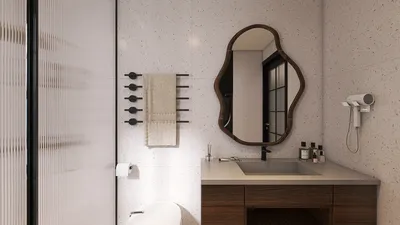


In designing compact bathrooms for lakeside homes, the focus is straightforward: guard against moisture, optimize storage options, and maintain an intimate atmosphere without making the space feel constricted. Small areas near water require robust materials, thoughtful lighting, and layouts that honor daily routines—such as rinsing off after a swim or drying equipment upon returning from the dock. When these aspects are in harmony, a bathroom of just 35 to 50 square feet can be both inviting and highly efficient, making the use of tools like Homestyler invaluable for visualizing designs.
The fundamentals are crucial. According to WELL v2 guidelines, warm-white lighting within the 2700–3000K range suits relaxation areas, promoting comfort while preventing glare and ensuring adequate brightness for tasks. In practical terms, I aim for lighting around 300 to 500 lux at the vanity for grooming purposes and 100 to 200 lux ambient lighting to create a soft evening glow—a concept that aligns with WELL's performance standards for light. The IES advocates for strategically placed mirror task lighting at eye level to reduce shadows; thus, installing sconces between 60 to 75 inches from the floor on either side of the mirror yields superior facial lighting compared to a single overhead source. These recommendations inform the selection of fixtures and their mounting heights, helping to prevent typical lighting errors that can make smaller spaces feel harsh or enclosed.
The choice of color is essential for creating the right ambiance. In smaller bathrooms by the lake, I often favor muted greens, driftwood taupes, and soft blues to lessen visual clutter. Insights from Verywell Mind suggest that blues are associated with calmness and reliability—attributes that are beneficial after a day of outdoor activities. When combined with textural elements such as beadboard and micro-fluted tiles, these colors evoke warmth without confining the space.
Designing the Micro-Layout for Optimal Flow
Traffic patterns in small spaces are typically straightforward: entry > dropping wet items > rinsing off > storing items. If you are exploring different layout options, a room layout tool like Homestyler can assist in visualizing clearances for features like pocket doors, 36-inch shower openings, and tight vanity-to-toilet distances while ensuring a minimum of 21 inches in front clearance. Implementing a pocket or barn door can reclaim 8 to 12 square feet of swing space, which is significant in a 5x7 room. Additionally, think about installing hooks opposite the entry to prevent water from dripping onto the floor and placing towel bars within easy reach of the shower to reduce the chill of post-shower walks.
Elevating Water Management and Experience with Showers
I favor curbless showers when the foundation and framing permit the correct slope, as this design eases cleaning and visually expands the room. To maintain water integrity, a linear drain should be positioned at the entrance with a slope of 1 inch per 4 feet, complemented by a well-constructed membrane. Frameless glass panels, standing 78 to 80 inches high, contain steam without imposing overwhelming vertical elements. For lake houses, it’s advisable to select tiles with slip-resistant properties, aiming for a DCOF of 0.42 for wet environments; smaller tiles, like 2x2 mosaics, increase grout friction for safety. Including a secondary handheld showerhead set at 38 to 42 inches is incredibly useful for washing off sand or muddy footwear.
Smart Vanity Solutions: Compact Yet Functional
A vanity measuring 24 to 30 inches can still deliver excellent functionality when designed thoughtfully. I prefer using an integrated sink to limit seams, opting for drawers instead of doors for improved organization, and keeping counter depths to 18 to 19 inches to free up floor space. Positioning the mirror slightly above the faucet line with low-glare LED sconces at eye level enhances the lighting experience. If cabinetry appears too bulky, alternatives like open shelving or wall-mounted vanities can lighten the visual load and clear the floor for basket storage. Combining closed storage for items like medications with open shelves for towels promotes visual harmony.
Sturdy Storage Solutions for Damp Environments
Lake life often means dealing with wet towels and equipment. Consider recessed niches between wall studs for discreet storage; I frequently line these with moisture-resistant MDF or utilize sealed hardwood for edges and tiled interiors. Cabinets above the toilet can be designed with a depth of 10 to 12 inches to avoid feeling cramped. For occasions with multiple guests, implementing a labeled bin system below a floating vanity can help keep belongings organized. A heated towel rack is a nice luxury that not only speeds up drying but also mitigates mildew risks.
Enhancing Lighting Layers for Warmth and Control
In your design, it’s vital to incorporate layers of ambient, task, and accent lighting. Dimmable ambient options create a calming evening atmosphere; task lighting around 300 to 500 lux assists in grooming tasks; a small LED in a niche can serve as a nightlight. Adopting warm-white lighting at 2700 to 3000K ensures a cozy look, while cooler hues can feel sterile in a smaller environment. Managing glare is key; consider using opal lenses or fabric diffusers, steering clear of exposed LEDs reflecting in mirrors, and aiming for a CRI of 90+ to maintain natural skin tones.
Materials Optimal for Lakeside Living and Minimal Maintenance
Humidity significantly influences material choices. I typically select porcelain tile for its low absorption and durability, preferring matte or honed finishes to control glare, along with marine-grade varnishes for wooden elements. For walls, opt for peel-resistant and moisture-rated paints in an eggshell or satin finish for easy cleaning. In terms of counters, quartz surfaces resist staining from sunscreen and lake minerals. It’s beneficial to utilize micro-textured tiles for grip, as well as corrosion-resistant fixtures in brushed brass or stainless steel. Narrow grout joints should be sealed with penetrating sealants to prevent moisture infiltration. Emphasizing sustainability through durable materials that withstand the test of time can mitigate the need for replacements and minimize waste.
Acoustic Comfort in Hard-Surface Designs
Compact bathrooms often have echo issues. I enhance acoustic softness with fabric shower curtains (if glass isn’t used), moisture-treated wood ceilings, and bath mats with competitive density. In spaces near sleeping areas, a solid-core door and comprehensive sealing can help diminish sound transmission. Opting for quiet ventilation systems (with a sone rating around 1.0 or lower) aids both in acoustics and humidity management.
Considering Ergonomics and Human Factors
Position towel bars at 48 inches for easy adult access, adjust hook heights between 68 to 70 inches, and maintain a minimum of 21 inches of clearance in front of toilets. Levers are preferable to knobs for use with wet hands. Keeping the height of the vanity top between 32 and 34 inches in family-oriented cottages helps balance comfort for adults and children alike. If planning for aging-in-place, include blocking for potential grab bars and choose shower benches that are 17 to 19 inches high.
Creating a Cozy Environment with Color and Texture
Cozy doesn’t rely solely on color; texture and flow matter as well. Pairing beadboard wainscoting with smooth tiles, subtly varying grout shades from wall paint, and incorporating natural fibers such as linen curtains or rope trays can enrich the experience. Mirrors with rounded edges soften the room’s geometry. For rustic lake houses, utilizing brushed metals and handmade tiles introduces tactile appeal; in contemporary cabins, micro-fluted panels and sleek fixtures support a clean, modern narrative.
Planning for Seasonal Durability
Design considerations should account for transitional seasons. Installing heated floors with programmable thermostats makes chilly mornings much more pleasant and facilitates quick drying. Opt for fans equipped with humidity sensors to automate ventilation. During the cold months, materials that withstand low heating cycles—such as stable woods and sealed tiles—help prevent expansion and contraction issues. Keeping a dehumidifier handy or ensuring adequate make-up air can significantly aid in preserving finishes.
Implementing Smart Micro-Details
Small adjustments can yield big results: include a niche for sunscreen and bug spray near the entrance, a boot tray that slides neatly beneath the vanity, and hooks for damp life jackets. If the bathroom also serves as a laundry space, consider placing a stacked unit behind a louvered door, planning for drainage zones and ensuring the floor beneath the machine is tiled. A compact mirror cabinet with integrated power outlets helps keep grooming tools and chargers organized.
Essential Design Checklist
- Verify clearances: ensure 21 inches in front of the toilet and 24 inches minimum in front of the vanity.
- Use a pocket or barn door to regain swing space.
- Implement curbless showers where viable, with linear drains and appropriate slopes.
- Integrate dimmable ambient lighting, CRI 90+ task lights, and aim for warmth from 2700 to 3000K.
- Select moisture-resistant materials: porcelain, quartz, and marine finishes.
- Ensure quiet ventilation (around 1.0 sone) along with humidity sensors.
- Prioritize storage solutions: recessed niches, drawer-centric vanities, and heated towel rails.
- Plan for future needs: block areas for grab bars, and select anti-slip surfaces.
Insights from Authority
The quality of lighting significantly affects perceived comfort in smaller bathrooms. Drawing from WELL v2 guidance regarding color temperature and brightness levels, alongside IES recommendations for placing task lighting, informs my design decisions. Additionally, Verywell Mind’s take on blue’s calming characteristics reinforces the lakeside color palette I choose. These authoritative references ensure my designs harmonize comfort with aesthetic appeal, avoiding mere trends.
Frequently Asked Questions
Q1: What color temperature makes a small lake house bathroom feel cozy?
A1: Warm-white lighting between 2700 and 3000K creates an inviting atmosphere without casting yellow tones. Pairing this with dimmable controls allows for softer evening lighting while providing adequate brightness for tasks in the morning.
Q2: How bright should vanity lighting be?
A2: Look for approximately 300 to 500 lux at the mirror. Side-mounted sconces at eye level minimize shadows in comparison to overhead lights, aligning with IES recommendations.
Q3: Are curbless showers practical in tiny bathrooms?
A3: Certainly; provided that the floor can be effectively recessed or sloped toward a linear drain, curbless showers enhance visual spaciousness and accessibility. It’s essential to be meticulous with water management details.
Q4: What flooring materials manage moisture best near a lake?
A4: Porcelain tile with a slip-resistant surface (DCOF of 0.42 or higher in wet areas) is reliable and resistant to moisture. It's beneficial to pair this with sealed grout and quality waterproof membranes.
Q5: How can I add storage without making the room feel heavy?
A5: Consider utilizing recessed niches, shallow cabinets above the toilet (10 to 12 inches), and drawers in place of doors for cabinetry. Floating vanities can also help lessen visual bulk while keeping floor space available for organization.
Q6: What ventilation features assist with humidity control?
A6: It's preferable to select a quiet fan that operates around 1.0 sone, ideally with integrated humidity sensors or timers. This setup effectively reduces condensation and protects the finishes while enhancing acoustic comfort.
Q7: How can I blend rustic and modern styles?
A7: Combining natural textures like beadboard and brushed metals with contemporary fixtures supports a balanced aesthetic. Maintain a soft palette with muted greens and blues and layer in micro-textured features like fluted tiles for added depth.
Q8: What ergonomic considerations are most important in small bathrooms?
A8: Ensure 21 inches of clearance in front of toilets, situate towel bars at about 48 inches, position hooks at 68 to 70 inches, and opt for bench heights of 17 to 19 inches if they’re included.
Q9: Can I install heated floors in a small lake house bathroom?
A9: Certainly! A low-profile electric heating system beneath the tiles adds comfort, promotes drying, and is especially beneficial during transitional seasons at the lake.
Q10: How can I prevent mirrors from reflecting glare?
A10: To mitigate glare, avoid exposed LED lights that reflect off the mirror; instead, utilize opal diffusers and position sconces at eye level. Ensuring a CRI of 90+ helps maintain natural skin tones.
Q11: What storage solutions are effective for accommodating multiple guests?
A11: Create organized personal bins labeled for each guest beneath a floating vanity, add hooks near the entrance for easy storage, and consider a heated towel rack for prompt drying.
Q12: Is utilizing a barn door a practical choice?
A12: A barn door can be a practical choice if privacy and sound levels are manageable. For improved acoustics, consider a solid-core option with proper sealing.
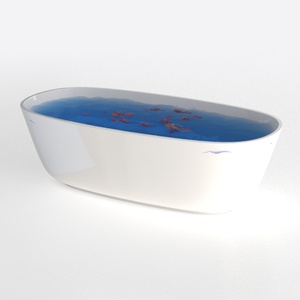
WOODBRIDGE 72" x 35-3/8" Whirlpool and Air Bath

Ella Laydown 30x60 Air Massage Walk in Bathtub

Empava PRO Series Model Jetted Tub, Freestanding
Homestyler is your go-to online home design platform! With its user-friendly design tool, stunning 3D renderings, and diverse DIY tutorials, it's perfect for anyone looking to transform their space. Discover endless design possibilities and easily create your dream home today!
立即免费设计
































