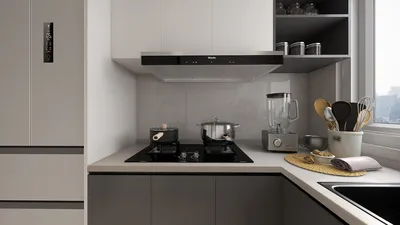


I've created numerous compact kitchen designs, ranging from city nooks of 50 to 90 square feet to sleek galley extensions. In limited spaces, the combination of materials, types of storage, lighting variations, and traffic flow becomes more important than any individual feature. The aim is to craft a kitchen that not only appears larger but also operates more efficiently and withstands daily usage over time.
My design philosophy hinges on two core principles. First is the functional flow: outlining the sequence from food preparation to cooking, plating, and cleaning, then adjusting the size of every reach and clearance accordingly. The second principle emphasizes perception: through effective use of light, color, and sound management, even the smallest kitchens can feel significantly more spacious. Studies show that proper task lighting—meeting IES guidelines for horizontal illuminance—can enhance accuracy and diminish visual fatigue. Furthermore, research from Gensler suggests a direct correlation between task-aligned environments and efficiency improvements, underscoring the importance of thoughtful design in kitchens.
Establishing Traffic Flow Before Finishing Touches
I begin by defining the circulation path and two essential dimensions: a clear 39 to 42 inches for two individuals to comfortably pass each other in a galley configuration, and a minimum 48-inch space in front of ovens and dishwashers to avoid clashes. If appliances are aligned against one wall, ensure at least a 15-inch landing zone next to the refrigerator's handle and 12 to 15 inches on both sides of the cooktop. These seemingly small metrics can significantly impact daily convenience. The WELL v2 standards highlight the importance of ergonomic reach and user comfort as vital components of a healthy environment, reflecting directly on countertop heights and task proximity.
To efficiently test spatial arrangements and appliance clearances, I often use layout simulation software to visualize door swings, work triangles, and sightlines. Tools like a digital interior layout planner are invaluable for evaluating design options before actual construction begins, including applications like Homestyler for detailed layout assessments.
Compact Kitchen Layouts That Make a Big Impact
Galley kitchens, single-wall designs with portable island carts, and L-shaped layouts with peninsulas are excellent choices for maximizing functionality in small homes. Here are my guiding principles:
When balancing storage with an open feel, aim for 70% concealed storage and 30% open display. This combination helps maintain visual serenity while ensuring everyday items are easily accessible.
Creating Layered Lighting: Expanding Perception in Small Spaces
Small kitchens benefit from a layered lighting approach: ambient light (2700–3000K for warmth), task lighting (3000–3500K for visibility), and accent lighting (2700K for softening edges). Under-cabinet task lighting should provide between 300 to 500 lux at the countertops; I recommend using 90+ CRI LEDs to enhance color accuracy for food preparation in line with IES recommendations. Effective glare control is essential; choose diffused lenses and position under-cabinet strips 2 to 3 inches away from the cabinet fronts to mitigate glare on backsplashes.
Exploring Color and Material Psychology for Enhanced Perception
Colors can either shrink or enlarge the perceived dimensions of a room. A harmonious blend of mid-tones for cabinetry, paired with a lighter, reflective backsplash, creates an illusion of depth without stark contrasts. Cool colors can visually recede and widen a narrow kitchen, while warm accents—such as clay and muted brass—maintain welcoming energy. For insights on color behavior effects, including calming blues and appetite-boosting reds, refer to resources like VerywellMind's guide on Color Psychology.
The combination of materials is crucial, more so than decorative maximalism. My method involves a dominant surface (like matte lacquer or wood veneer), a complementary texture (such as ribbed tile or honed stone), and a small metallic detail (brushed nickel or aged brass). Opting for sustainable choices—FSC-certified veneers, low-VOC finishes, and recycled tiles—ensures better air quality and ease of maintenance.
Everyday Ergonomics That Enhance Functionality
A countertop height of 36 inches suits the majority of users; if you bake often, consider incorporating a 32-inch inset station to alleviate wrist strain during kneading. Shelving above 78 inches becomes impractical; instead, aim for daily-use shelves situated between 48 and 60 inches. Selecting handle pulls with a comfortable 128 to 160 mm spread minimizes pinch force. The WELL standard's ergonomic focus aligns with this user-friendly design mindset.
Adaptive Storage Solutions in Small Kitchens
In compact settings, vertical space is your ally. I usually recommend:
Short open shelves (24–36 inches), positioned near natural light, should only hold daily dishes to prevent visual overload.
Sound Control and Appliance Choices
Noise can quickly become a concern in a compact galley kitchen. To mitigate this, I introduce soft sound-absorbing elements like an acoustic underlay rug, felt pads on the feet of stools, and cabinet bumpers. When selecting appliances, look for low dB ratings; quieter dishwashers and hoods can significantly reduce stress in open-concept environments. Ducted range hoods are preferable to recirculating ones; ensuring a direct, short duct run enhances effectiveness and minimizes noise.
Smart Technology Integration: Efficiency Without Clutter
Induction cooktops (especially models between 24 and 30 inches) maximize prep surfaces, operate cooler, and work well with under-cabinet ventilation systems. A multifunctional steam oven can replace both a microwave and a secondary oven in micro-kitchens. Occupancy sensor-based task lighting improves energy efficiency, while dimmable drivers allow you to transition from a bright prep area to a cozy dinner atmosphere without changing fixtures.
Establishing Visual Rhythm and Balance in Tight Spaces
In confined areas, rhythm is achieved through repetition: uniform door reveals, consistent hardware, and a coherent backsplash layout. I typically limit cabinet face styles to two. If introducing textures like fluting or ribbing, confine them to one plane, allowing the eye to perceive the space as interconnected. Align the bottoms of upper cabinets with hood lines and disrupt this flow only for windows, providing a visual respite.
Functional Tiny Islands and Peninsulas
In limited spaces, a mobile island measuring 24 by 36 inches can be a game changer—serving as a prep station during the day, a bar at night, and easily moved aside when hosting guests. For peninsulas, ensure a 12-inch overhang supported by slim steel brackets to allow ample knee room without bulky corbels; position outlets beneath the counter lip for a clean aesthetic.
Lighting Management and Color Temperature Techniques
Implement separate circuits for ambient, task, and accent lighting. Aim for task lights at 3000 to 3500K, ambient at 2700 to 3000K, and incorporate dimmers to adjust the overall brightness for evening use. In north-facing kitchens, warmer tones can elevate the ambiance, while in sunlit spaces, neutral white task lights help maintain food color accuracy.
Sustainability Considerations in Compact Kitchen Designs
While compact kitchens are inherently efficient, the right specification mix is crucial: installing water-efficient faucets (1.5 gpm), Energy Star-rated appliances, and durable surfaces like sintered stone that withstand heat and stains. This approach reduces maintenance while prolonging the lifecycle of your kitchen fixtures, ultimately resulting in a smaller environmental footprint.
Proven Strategies for Perfecting Kitchen Designs
From Concept to Confirmation: Visualize, Test, and Adapt
I prioritize prototyping: using tape to outline appliance locations on the floor, simulating activities like unloading a dishwasher, and digitally creating scenarios to check for clearances and lighting configurations in a design visualization software. Tools like Homestyler help visualize the interplay of materials and fixtures, preventing costly errors during construction.
Frequently Asked Questions
Measure natural circulation paths first. If your kitchen serves as a corridor between rooms, a galley layout with 39 to 42 inches between runs is ideal for managing traffic flow. If one side opens to a living area, an L-shaped layout with a short peninsula can introduce seating without obstructing movement.
Strive for 300 to 500 lux illumination at countertops using 90+ CRI LEDs. Position under-cabinet fixtures closer to the front edges to mitigate glare on backsplashes. This aligns with the practical application of IES task lighting standards.
Opt for lighter, low-sheen walls, mid-tone cabinetry, and slightly darker flooring for a balanced contrast. Cool undertones on vertical surfaces can visually expand the space, while high-chroma colors should be limited to small accents to avoid overwhelming the design.
Incorporate full-height pull-out pantries (12 to 16 inches deep), toe-kick drawers for trays, and a 9 to 12-inch pull-out beside the range for oils and spices. Strive for a mix of 70% enclosed storage and 30% open for a harmonious balance.
Yes, with moderation. Limit open shelves to 24 to 36 inches, keep them within reach of natural light, and reserve them for daily essentials. This strategy simplifies cleaning and keeps the visual environment tranquil.
Materials like sintered stone, quartz composites, or honed granite are excellent choices due to their stain and heat resistance. Pair these with low-VOC sealants and durable, easily cleanable backsplashes like large-format porcelain or backpainted glass for added functionality.
Choose quiet appliances, utilize a ducted range hood with a direct, short duct run, add sound-absorbing underlayment beneath rugs, and attach cabinet bumpers. Even minor sound-absorbing features can greatly reduce echo within the space.
Incorporate a 12-inch overhang on a peninsula, supported by sleek steel brackets. For islands, consider using a 24 by 36-inch mobile cart with wheels that serves as both prep and social space without monopolizing the floor area.
Absolutely. Using individual circuits and dimmers allows you to transition smoothly from bright task lighting (3000–3500K) to cozy ambient lighting (2700–3000K) for dining without changing fixtures.
Place a 24-inch drawer unit on the living side of a peninsula or underneath the counter, close to the fridge. This strategy frees up valuable prep space while ensuring the safety of hot plate transfers.
Limit to one primary cabinet finish, one contrasting texture (such as tile or stone), and one metallic tone. Consistency in hardware and alignment of grout joints with cabinet reveals help establish a rhythmic flow in the design.
Definitely. Induction cooktops operate at lower temperatures, making them easier to clean, provide a flush surface that doubles as additional prep area, and integrate seamlessly with compact ventilation systems.
Discover the creative potential of Homestyler, the ultimate online home design platform! With its user-friendly design tool, stunning 3D renderings, and a wealth of inspiring design projects and DIY video tutorials, transforming your space has never been easier or more enjoyable.
تصميم الآن مجانا
































