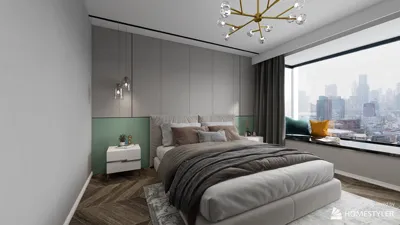


Creating a small residence in Kerala emphasizes clarity rather than compromise—every space serves a purpose. My approach focuses on climate-responsive designs, adaptable rooms, and seamless circulation, ensuring that even compact areas feel open and spacious. Ongoing research underlines my decisions to enhance comfort and efficiency: according to the WELL v2 lighting standards, maintaining 300–500 lux is essential for most activities, utilizing reduced glare and thoughtful contrast to alleviate visual strain; furthermore, studies from Herman Miller demonstrate that clearly defined areas facilitate smooth task transitions, a concept that applies to home layouts where living, cooking, and working often overlap. Incorporating tools like Homestyler can also streamline this process, providing visualization support for design choices.
The selection of materials and the ratios of spaces play a crucial role as well. Steelcase indicates that environments designed with sound management foster improved concentration and lower stress levels; this is particularly important in Kerala’s vibrant, densely populated areas where noise can be pervasive. I design compact layouts utilizing room proportions of 1:2 or 2:3 to create visual harmony and effective circulation while leveraging cross-ventilation that aligns with prevailing winds for natural cooling. The WELL Building Standard serves as a reliable reference for determining adequate lighting levels and comfort criteria. Additionally, the Interaction Design Foundation offers valuable insights on how spatial affordances influence movement and usage patterns within these micro-zones.
Climate-Responsive Planning
The humid tropical climate of Kerala influences the designs of shaded openings, extended overhangs, and breathable construction materials. I incorporate elements like verandas and sit-outs acting as thermal buffers, strategically placing high-level operable vents in alignment with shaded windows to enhance airflow through the stack effect. Employing a double-layer roofing system—a vented air gap, radiant barrier, and reflective outer layer—mitigates heat gain while preserving the traditional architectural aesthetic. In designing smaller footprints, I steer clear of fully enclosed service yards; instead, a semi-open utility area acts both as a ventilation source and a drying zone, thus maximizing interior space and enhancing air quality.
Smart Layouts for Compact Footprints
Flow patterns take precedence over square footage. I design the main circulation to run along a single edge, preventing the disruption of room functionality. By utilizing sliding pocket doors, I maintain sightlines and eliminate the need for swing clearance. For those who require a quiet study space within their living area, I can create a niche measuring 1.2–1.5 m deep with acoustic treatment, complemented by task lighting at 500 lux and warm lamps set between 3000–3500K for evening ambiance. To facilitate quick testing of layout options before construction, utilizing a room design tool like Homestyler can assist in simulating furniture arrangements and natural light effects.
Light: Prioritizing Daylight and Layers
Daylight forms the backbone of my design philosophy. I harness it through tall apertures oriented northward or with diffused exposure from the east, managing it through extensive chajjas, perforated screens, and natural foliage. As outlined by WELL v2, ensuring a minimum of 150 melanopic lux for daytime should support healthy circadian rhythms, which I achieve by blending ample daylight with high-CRI ambient lighting. During nighttime, layered lighting reduces glare: ambient light between 200–300 lux, task-specific lighting at 300–500 lux within kitchens and study areas, and warm accent lighting that fosters a calm atmosphere. Utilizing matte finishes on countertops along with pale, low-gloss flooring can effectively minimize reflective glare.
Color Psychology and Material Optimization
In compact spaces, color acts as an architectural element. By selecting soft neutrals paired with muted greens or terracottas, I mirror Kerala’s natural beauty while reducing visual clutter. For activity zones such as kitchens and study nooks, I introduce cooler whites and soft blues in moderation to enhance focus, configuring saturation in a way that maintains an airy feel. Choosing moisture-resistant materials is essential, including options like cementitious terrazzo or vitrified tiles with minimal water absorption, along with uPVC or aluminum windows featuring thermal breaks, and humidity-tolerant hardwoods. I balance these firmer surfaces with plush textiles and wooden elements to absorb sound and reduce echoes.
Acoustic Comfort in High-Density Areas
In smaller homes, sound can become amplified. I implement layered acoustic solutions such as solid-core doors, gaskets in frames, and staggered stud partitions for bedrooms; soft rugs and cushioned furniture in shared spaces; along with perforated wooden panels containing mineral wool in entertainment zones. Locating noisier areas, like kitchens and utility spaces, against exterior walls helps separate them from quieter rooms, positioning bedrooms towards more tranquil garden-facing areas to mitigate noise transfer. Insights from Steelcase’s research reveal the positive relationship between sound control and overall wellbeing, particularly in family-oriented homes.
Effortless Storage Solutions
In the compact houses of Kerala, storage should seamlessly blend with the design. I recommend full-height wall systems with depths ranging from 450–600 mm, incorporating integrated shoe racks next to sitting areas, and employing under-stair drawers for added utility. In bedrooms, I advocate for platform beds with ventilated drawers to keep linens fresh in humid environments. Kitchen spaces benefit from a mixture of tall pantry cabinets and shallow wall units, complementing pull-out systems for spices and small appliances. The overarching objective is clarity, providing surface areas free of clutter while maximizing concealed storage solutions.
Adaptable Spaces for Everyday Life
Life demands flexibility in design. A small den can effortlessly transform into a guest room with a foldable bed and blackout curtains. Dining and living areas share a long bench that also functions as storage, accommodating additional guests during celebrations. I often create a small home-office space with a 900 mm wide desk hidden behind a sliding screen, incorporating task lighting at 500 lux while ensuring an ergonomic chair maintains neutral spine alignment with elbows at approximately 90°.
Ventilation, Shading, and Water Management Solutions
The monsoon season and prevailing humidity call for multi-layered designs. Extended eaves and pitched roofs facilitate efficient water drainage, while generously sized gutters prevent splash-back. Variations of courtyard layouts foster cross-ventilation while introducing greenery into the space. I utilize insect-proof mesh and operable louvers to keep windows open during light rainfall for increased airflow. Shaded skylights featuring low-E glazing help reduce internal heat while allowing natural light.
Championing Sustainability in Compact Designs
Though small homes boast inherent efficiency, specific details are crucial: integrating rainwater harvesting systems complete with filtration, installing solar hot water panels onto roofs, and utilizing ceiling fans that meet the recommended airflow and efficiency standards from IES. Applying low-VOC materials improves air quality indoors. Locally sourced options, such as laterite blocks and regional timber, are preferred to ensure durability in humid conditions while minimizing maintenance needs.
The Balance of Ratios and Aesthetics
Proportional relationships can greatly influence perception. I aim for a 1:1.6 ratio in living spaces when layout permits, ensuring axial perspectives are directed towards a green courtyard or framed trees. Creating a vertical rhythm aligns window heights and door frame consistency, fostering tranquility in small areas. In kitchen designs, I strive for practical work triangles, maintaining distances of 1.8–2.4 meters between the sink, stove, and refrigerator to minimize unnecessary movement and enhance surface continuity.
Modern Interpretations of Kerala's Traditional Style
I pay homage to Kerala’s architectural heritage—featuring sloped roofs, shaded sit-outs, and courtyards—while incorporating innovative moisture-resistant modifications: metal flashings on ridgelines, breathable wall structures, and screen walls crafted to modulate wind and light. These compact homes honor tradition rather than dismissing it; they refine it.
Design Planning Essential Checklist
- Analyze wind and sun patterns to strategically position openings and shade structures.
- Position primary circulation on one side to avoid fragmenting rooms.
- Layer lighting effectively: blend daylight, ambient, and task lighting to minimize glare based on WELL standards.
- Select durable, humidity-resistant materials while ensuring sound absorption.
- Incorporate invisible storage solutions to maintain clean surfaces.
- Introduce flexible spaces, like guest-ready dens and compact offices.
- Implement rainwater harvesting alongside energy-efficient fans and low-VOC finishes.
- Use interior layout planners like Homestyler to swiftly evaluate design arrangements and prevent costly alterations.
Frequently Asked Questions
Q1: What techniques can I use to enhance natural ventilation in a small home in Kerala?
A1: Position openings across rooms to facilitate airflow, incorporate high-level operable vents for creating a stack effect, and design shaded, screened windows to remain usable during light rain.
Q2: What are the recommended lighting levels to aim for?
A2: Aim for approximately 300–500 lux in task areas (kitchen, study), 200–300 lux in living spaces, ensuring perceptible daylight support in line with WELL v2 guidelines by mixing daylight with high-CRI ambient light.
Q3: Which materials are best suited to withstand humidity in Kerala?
A3: Opt for vitrified tiles or terrazzo for flooring, treated hardwoods, uPVC or thermal-break aluminum windows, and low-VOC paint finishes. Utilize breathable wall materials and stainless fittings to resist corrosion.
Q4: How can I manage acoustics in a compact house?
A4: Use a combination of solid-core doors, gasketed frames, staggered studs for bedroom walls, soft textures (rugs and upholstery), along with perforated timber panels fitted with insulation for media rooms.
Q5: What storage solutions can help minimize visual clutter?
A5: Implement full-height built-in cabinets, under-stair storage, platform beds equipped with ventilated drawers, and shallow wall cabinets. Keep surfaces uncluttered, relying on built-in niches for everyday items.
Q6: How can I balance color effectively in small areas?
A6: Embrace soft neutrals with touches of muted greens or terracottas to achieve visual calm, adding cooler whites and soft blues moderately in task-focused areas to enhance clarity, while keeping color saturation lower for an airy ambiance.
Q7: Is it possible to include courtyards in very small plots?
A7: Absolutely—consider micro-courts or light wells of just 1.5–2 meters wide, which can introduce daylight, promote airflow, and bring in greenery, acting as thermal and acoustic buffers.
Q8: What’s the optimal kitchen layout for limited space?
A8: Using a linear or L-shaped design paired with a compact work triangle measuring 1.8–2.4 meters, alongside continuous countertops, task lighting set at 500 lux, and shallow overhead cabinets to maintain open sightlines.
Q9: How can I incorporate sustainable features in an affordable manner?
A9: Start with simple systems like rainwater collection, solar hot water systems, efficient ceiling fans conforming to IES airflow criteria, and low-VOC finishes, all of which contribute to visible comfort improvements.
Q10: What ergonomic features should my micro home office include?
A10: Create an efficient workspace with a 900 mm wide desk, an adjustable chair designed for maintaining a neutral posture with elbows at 90 degrees, 500 lux task illumination, and glare-free screens placed at eye level for optimal comfort.


Minimalist Solid Wood Linen Fabric Extra Long Sofa 3D Model

Oak Nursery Shelves, Natural Wood Nursery Floating
Homestyler is your go-to online home design platform! With its user-friendly design tool, stunning 3D renderings, and a wealth of DIY video tutorials, transforming your space has never been easier. Unlock your creativity and start designing your dream home today!
立即免费设计
































