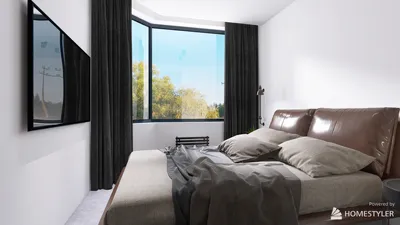


I strongly believe that compact designs can radiate significant charm. Homes inspired by hacienda architecture, which draw from Spanish Revival aesthetics, combine stucco exteriors, clay tile roofs, intricately carved wooden doors, and inviting shaded courtyard areas, creating a timeless and highly livable environment. In smaller homes, this architectural style's thick walls, open arcades, and inward-facing designs foster privacy, a comfortable indoor climate, and a calming everyday atmosphere.
Thoughtfully designed small residences provide substantial comfort benefits. According to the WELL v2 Thermal Comfort concept, most occupants prefer a temperature range between 20–24°C (68–75°F). This balance is easily maintained through thick masonry and shaded outdoor spaces without leaning excessively on mechanical systems. Additionally, lighting is crucial; the IES suggests that living areas should achieve approximately 300–500 lux for proper task illumination, with glare control being vital for enhanced visual comfort. Warm neutral shades and earthy tones are known to evoke feelings of tranquility and hospitality, making them ideal complements to materials like terracotta, plaster, and wood, seamlessly integrating with tools like Homestyler to visualize your designs.
In projects influenced by Hispanic design, the compact hacienda thrives best when circulation is centered around a lovely courtyard or patio. This inward arrangement not only provides natural sound insulation from street noise but also cultivates a microclimate favorable for cross-ventilation. Research from WELL v2 emphasizes the importance of managing airflow and daylight effectively, beyond just achieving brightness. You can explore more technical guidelines in the WELL v2 and IES standards.
Principles of Compact Hacienda Architecture
The core emphasis of hacienda architecture is on creating spaces for refuge and community engagement. In smaller iterations, typically ranging from 600 to 1,200 square feet, the focus is on a streamlined and functional floor layout—often designed in a U or L shape surrounding a patio area. I advocate for a spatial ratio of 1:1.5 for living rooms (depth to width) to eliminate the feeling of tunnel-like spaces, along with ceiling heights maintained at about 9 to 10 feet to retain an airy ambiance beneath robust roof structures. The combination of stucco cladding and deep-set windows not only introduces texture but also plays creatively with light and shadow, while modest overhangs shield windows from harsh sun and rain.
The Role of the Courtyard in Climate Regulation
The courtyard acts as the nucleus of a small home. Typically, a patio width of 12 to 16 feet strikes a harmonious balance between intimacy and functionality. Positioning the open side of the courtyard to harness prevailing breezes, coupled with low, aromatic plants, enhances the feeling of seclusion. Incorporating a gentle fountain helps with cooling and provides a soothing background noise, promoting acoustic comfort naturally. Adequate sizing of openings for cross-ventilation can reduce cooling demands, with louvers and operable transoms maintaining airflow while safeguarding privacy.
Living Room: Emphasizing Warmth and Visual Flow
Hacienda interiors thrive on the use of warm lighting and a rich material rhythm. I target 350–400 lux of ambient light, employing multiple light sources: recessed downlights placed out of direct sight, adjustable wall sconces, and an iron pendant fixture as a centerpiece. It’s wise to avoid stark LED lights; using shielded options minimizes glare and enhances ceiling aesthetics. A palette comprising plaster whites, rich wood tones, and terracotta promotes visual cohesion, introducing a single deep color (like oxblood, indigo, or olive) in a rug or decor item to anchor the space without overwhelming it.
Kitchen: Functional, Compact, and Social
In small hacienda residences, kitchens are typically designed with open sightlines to the courtyard. I recommend maintaining clearances of 36 to 42 inches and a work triangle of less than 22 feet to streamline movement. Following NKBA standards, creating at least 24 inches of landing space on either side of the cooktop or sink is advisable whenever possible. Handmade tile backsplashes not only serve as moisture-resistant elements but also convey visual stories; opting for matte finishes can help reduce glare under task lights. To enhance acoustics, using soft-close mechanisms and applying rubber underlay beneath terracotta tiles can significantly reduce noise.
Bedrooms: Promoting Tranquility Through Dimensions and Texture
Bedrooms are enhanced by smaller windows with deep reveals to mitigate the impact of bright morning light. The goal is to achieve 150–250 lux of ambient lighting alongside localized reading fixtures offering 300–500 lux. Incorporating breathable natural materials such as washed linen, cotton, and wool supports thermal comfort, aligning with WELL v2’s focus on occupant empowerment. Options like operable shutters or woven shades offer tactile control of light and ventilation. A streamlined bed wall ensures an atmosphere of tranquility, accented with carved wooden headboards or simple plaster niches instead of bulky furnishings.
Bathrooms: Practical, Earthy, and Low Maintenance
A lime plaster finish resembling stucco pairs beautifully with zellige or saltillo tiles, providing a modest yet reflective surface. Installing a small skylight equipped with a baffle or light meter can elevate ambient daylight to approximately 200–300 lux without creating glare. For compact showers, a 36x36 inch footprint is typically adequate; including a low seat made from tadelakt enhances both comfort and a classic Mediterranean charm. High operable ventilation options assist in evaporating humidity while maintaining privacy.
Materials and Environmental Considerations
In hacienda design, materials narrate the story. Features like clay roof tiles, limewash plaster, and reclaimed wood age beautifully, adding tactile richness. Terracotta flooring, combined with area rugs, enables thermal massing for seasonal comfort—keeping spaces warm in winter and cooler in summer. It is essential to prioritize sustainably sourced timber and finishes free from volatile organic compounds (VOCs). In arid environments, using gravel or decomposed granite for courtyard landscaping conserves water and promotes effective drainage, while incorporating native vegetation supports effortless biodiversity.
Sound Comfort: Quiet by Design
Thick walls and arched doorways naturally disrupt sound reflections. I incorporate heavy curtains in living areas and soft upholstery to absorb sound frequencies that can be distracting. Water features in the courtyard provide a steady ambient noise that masks irregular sounds. Simple strategies like felt pads on furniture legs, door seals, and quiet-close cabinets minimize daily disturbances in smaller spaces.
Color Psychology for Comfort and Clarity
Hacienda-inspired color palettes are best when maintaining warmth. According to Verywell Mind’s insights about color psychology, warm shades encourage connection and comfort, while overly intense colors might be overstimulating in confined spaces. My ideal distribution is 70% light neutrals (like plaster, bone, and almond), 20% mid-tone earth shades (such as terracotta, caramel, and sage), and 10% deep accent colors (like oxblood or indigo), creating a balanced yet open ambience.
Lighting Techniques: Daylight, Layers, and Control
Natural light filters through small, deep-set windows and clerestories; I ensure these openings are appropriately sized to deliver uniform illumination without focus spots. Electric lighting is strategically layered into three elements—ambient, task, and accent—equipped with dimmers to allow for smooth transitions as evening falls. In external arcades, low-glare wall lanterns illuminate pathways with about 5 to 10 lux, while candle-style fixtures add charm without harsh glare.
Spatial Dynamics and Layout Design
In compact hacienda homes, efficient circulation is vital. I recommend major pathways of no less than 36 inches and align openings to frame mesmerizing views of the courtyard. When laying out furniture, maintaining 18 inches around coffee tables and 48 inches behind dining chairs creates comfortable mobility. For quick verification of these relationships, utilizing a room layout tool can assist in simulating traffic patterns and spatial clearances effectively while integrating visuals like Homestyler.
Windows, Doors, and Shading Solutions
Intricately carved wooden doors with iron grills enhance both security and airflow. It’s essential to utilize operable shutters and generous overhangs to control sunlight exposure. In warmer climates, strategically placing pergolas with vine coverings on west or south-facing sides filters harsh light later in the day; in milder climates, clerestory windows introduce soft light without compromising privacy. Durable hardware in finishes like bronze or wrought iron only enhances the tactile experience.
Outdoor Spaces: Arcades and Patios
Arcades—shaded corridors—expand living areas for afternoon coffees and gatherings. In compact designs, a depth of 6 to 8 feet generally provides sufficient space for comfortable movement and seating. Using tile or stone pavers laid on sand minimizes echoes while ensuring easy maintenance. It’s wise to implement built-in seating and slim planters to enhance functionality without cluttering the space.
Selecting Furniture and Layering Tactically
Opt for fewer yet higher-quality pieces. A beautifully crafted console, a low-profile sofa in natural linen, a sturdy timber dining table, and woven rush or leather chairs align with the hacienda style. Layering textures—such as kilim carpets, embroidered fabrics, and ceramic vessels—adds warmth without cluttering the visual field. Ensure clear sightlines through to the courtyard, avoiding tall shelving that disrupts arches and pathways.
Design Trends for 2024–2025 in Hacienda Style
Contemporary design trends strongly emphasize sustainable materials, low-glare lighting, and biophilic elements. Incorporating micro-courtyards, energy-efficient clay materials, and artisanal finishes respects tradition while embracing modernity. Features like smart shading systems—discreet motorized blinds—and adjustable warm LED lighting ensure that occupants can customize light levels throughout the day, supporting circadian rhythms while maintaining the welcoming glow intrinsic to hacienda aesthetics, enhanced through planning tools like Homestyler.
Avoiding Common Design Mistakes
One common pitfall is over-illuminating small spaces or using high-gloss tiles that create harsh reflections. It's equally problematic to neglect ventilation, favoring sealed environments; hacienda homes flourish best when allowing airflow and light to move naturally. Maintaining a cohesive color palette and avoiding competing accent shades will ensure spaces remain serene and balanced.
Frequently Asked Questions
I have successfully designed hacienda plans that range from 600 to 900 square feet, typically organizing them in compact L or U shapes around a central patio area. The key to character lies in authentic materials—stucco, clay tiles, and timber—coupled with a strong focus on the courtyard.
For living areas, aim for around 300–500 lux for task lighting, layering ambient lighting around 350–400 lux; bedrooms should settle at about 150–250 lux. Following IES guidelines and implementing dimmable options is crucial for enhanced control and comfort as day turns to night.
Indeed, courtyards promote natural ventilation, moderate microclimates, and enhance acoustic privacy. A courtyard measuring between 12 to 16 feet in width can greatly elevate perceived comfort and seclusion within the home.
Essential materials include terracotta, lime plaster, reclaimed wood, and wrought iron, which not only gain character with age but remain manageable in terms of repair, reinforcing the architecture's integrity without feeling overwhelming.
Opt for matte or honed finishes, utilizing well-placed warm light sources and wall sconces instead of exposed downlights, while deep window openings and exterior shade systems mitigate stark light contrast.
Ensure walkways accommodate a minimum of 36 inches, arrange seating for unobstructed views towards the courtyard, and maintain at least 18 inches around coffee tables. Using an interior layout planner can assist in verifying necessary clearances quickly.
Absolutely! Embrace discreet control systems—hidden shades, adjustable warm LED lights, and streamlined ventilation—so technology enhances comfort without adding clutter to the experience.
Incorporate elements such as deep-set windows, operable shutters, and clerestory windows to maximize diffused light intake. Glazing facing the courtyard allows for illumination while protecting views from the street.
Start your color selections with 70% warm neutrals, 20% earthy tones, incorporating one deep accent at about 10%. This balance promotes a tranquil and visually open environment.
Yes, integrating soft textiles, heavy draperies, and felt furniture pads is key. Adding a small water feature or white-noise generator in the courtyard significantly aids in masking disruptive sounds.
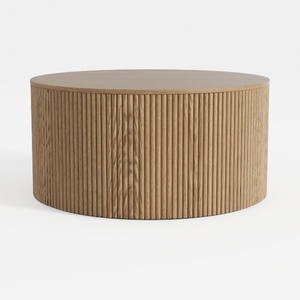
Minimalist Fluted Solid Oak Round Coffee Table 3D Model

Minimalist Solid Wood Linen Fabric Three Seat Sofa 3D Model

Minimalist Solid Wood Linen Fabric Extra Long Sofa 3D Model
Homestyler is your go-to online home design tool, perfect for creating stunning spaces effortlessly. With powerful 3D rendering, a wealth of design projects, and easy-to-follow video tutorials, it inspires creativity and simplifies the DIY process for everyone. Explore and design your dream home today!
Дизайн сейчас бесплатно
































