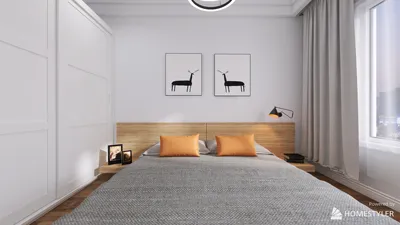


Having created numerous compact gaming setups for apartments, studios, and small living areas, I consistently find the optimal choice is a small card table paired with ergonomically designed chairs that offer durability and easy storage solutions. An effective small-format setup accommodates poker chips, card sleeves, snack trays, and comfortably positioned elbows without overcrowding the space, while still being collapsible for easy storage after game nights.
To enhance comfort and gameplay performance, I focus on the height of seating and the reach of the table. The WELL v2 framework advocates for adjustable seating and ergonomic features to lessen strain during extended periods of sitting; maintaining seat height within 17–19 inches and table height at approximately 28–30 inches assists in preserving a neutral posture for most adults. Research from Herman Miller reveals that appropriate seat pan height and lumbar support help alleviate fatigue during longer sessions, an important factor for game nights that often extend beyond two hours. Lighting is just as crucial: the IES recommends achieving task lighting of around 300–500 lux for close visual activities like card reading and score keeping, which helps to keep the eyes relaxed and free from glare. To optimize furniture arrangement in tighter spaces before making a purchase, consider using a room layout tool to visualize clearances and traffic flow.
Selecting the Perfect Small Card Table
I typically look for tables measuring between 30–34 inches square for four players, or 36–38 inches if larger dishes or board games come into play. Round tables, at 36 inches, excel in promoting shared reach and fostering sociable interactions, while square options align neatly with chip stacks and player mats along their edges. Stability is paramount: cross-braced legs and secure locking mechanisms are essential to eliminate wobbling during gameplay. The radius of edges also plays a role—slightly rounded corners help prevent injuries in confined spaces. If folding is a must-have, choose tables with steel frames and high-cycle hinges designed for regular usage; if you prefer lighter options, aluminum works well as long as it’s not burdened by heavy game components.
Ergonomics of Chairs for Extended Play
Compact chairs should foster upright posture without pressing into the shoulders or thighs. Aim for a seat width of 16–18 inches, featuring a front edge with a waterfall design to avoid discomfort under the thighs. I prefer chairs with a backrest angled between 100–105 degrees and supportive lumbar features. For limited storage spaces, consider folding chairs with padded seats; ensure that the foam is medium-firm to prevent it from flattening during extended use. Research from Steelcase on seating ergonomics shows that micro-movements and adequate support in critical spinal areas can lower discomfort over time—this translates to choosing chairs that allow slight flex in the back along with a stable base.
Ensuring Proper Light Environment for Card Clarity
Players often focus on small texts, icons, and card edges, so managing glare and contrast is important. Strive for an even illumination of 300–500 lux at the table's surface, ideally with warm-neutral light around 3000–3500K to maintain friendly color rendering and minimize fatigue. I recommend overhead fixtures with diffusing shades or double-glazed diffusers, complemented by a dimmer switch to easily transition from setup to play mode. To avoid specular glare on glossy card sleeves, position your light source slightly off-center above the table, and opt for matte finishes on the tabletop to control reflections. When using portable lamps, a clamp or swing-arm design with a wide shade distributes light uniformly across the playing area.
Durable Surface Materials
For tabletops, a soft-touch laminate or rubberized mat provides superior grip and reduces noise, while a felt inlay can evoke a traditional poker atmosphere. If snacks will be involved throughout the evening, stain-resistant laminate with sealed edges is advisable. Metal frames should feature a powder-coated finish to prevent chips, while wooden frames benefit from a robust coating like catalyzed lacquer to withstand frequent folding and transport. For chairs, woven polyester or vinyl is easy to clean, and breathable mesh helps keep temperatures manageable during warmer seasons.
Managing Acoustic Comfort in Compact Settings
Shuffling cards, rolling dice, and tapping the table can create amplified sounds in smaller rooms. For lively spaces, adding a soft tabletop runner beneath the mat helps absorb noise. Low-pile rugs or cork-backed flooring can also minimize mid-frequency sound disturbances. Wall-mounted fabric panels or a bookcase filled with diverse volumes can break up sound reflections. When playing late, equipping chairs and table legs with rubber feet mitigates squeaking and protects floors.
Strategizing Layout in Small Living Rooms
Adequate clearances are crucial for a pleasing gaming experience: aim for at least 24 inches of space around the table for easy seating and movement, increasing to 30–36 inches if it's a principal pathway. Position the table near optimal lighting while maintaining an 18-inch gap from walls to avoid knuckle injuries. Incorporating drink trays or a slim console behind the dealer’s seat helps to reduce clutter on the tabletop. If your living room serves multiple purposes, testing different layouts with an interior planning tool before making a purchase can effectively visualize chair spacing, lamp reach, and flow towards the kitchen.
Understanding Color Psychology for Game Ambiance
Warm neutral colors and muted greens create a calming effect at the table; accents of blue encourage focus and promote strategic thinking. According to insights from Verywell Mind, the psychology surrounding colors points to blue's connection with attention and green’s relation to balance—these can be subtly introduced through mats, coasters, or chair cushions. Bright reds should be limited to minor accents, as they can increase tension and urgency, which may detract from a relaxed family game night.
Effective Storage and Mobility Options
The most functional small gaming setups are those that can break down easily. Fold-flat tables that can be stored behind sofas or underneath beds maximize available floor space. For chairs, wall hooks or a slim folding chair cart keep them readily available without adding visual clutter. If you need to navigate stairs or frequently move the setup, opt for a table that weighs less than 20–25 pounds to reduce strain. Consider adding a slim drawer or caddy beneath the table for organizing scorepads and writing tools, eliminating the need to raid the kitchen mid-game.
Safety Measures and Practical Considerations
Rounded table corners, non-slip feet, and stable leg designs can significantly lower the risk of accidents when players stand up quickly. Ensure any cables from lamps or chargers are secured away from high traffic areas with floor clips. Having wipeable surfaces can be a lifesaver in the event of spills; placing a small cleaning kit nearby is practical. In homes with children, ensure that the folding mechanisms are free from pinch points and check lock tabs before gameplay.
Trends for 2024–2025
Compact gaming setups reflect the overarching trend of small spaces: more streamlined frames, mixed materials, and soft neutral tones. Matte black powder coating paired with light oak tabletops provides a contemporary aesthetic while hiding fingerprints effectively. Textured upholstery in seating options adds warmth without appearing visually heavy. For a modern flair, a 32-inch round table with splayed legs feels light and airy, while for a classic poker vibe, a 34-inch square table with a felt center and cup-friendly coasters sets the perfect mood.
Quick Checklist for Purchases
- Table Size: 30–34 inches square (suitable for four players) or a 36-inch round option
- Table Height: approximately 28–30 inches; Chair Seat Height: approximately 17–19 inches
- Sturdy folding hardware with secure locking mechanisms
- Matte or soft-touch surfaces to minimize glare and noise levels
- Chairs: a waterfall front edge, supportive back angle, and breathable materials are ideal
- Lighting: aim for 300–500 lux with a color temperature of 3000–3500K and include a dimmer for flexibility
- Storage Solutions: fold-flat options, hooks for chairs, or under-table caddies are recommended
FAQ Section
For optimal setups, a table size of 30–34 inches square comfortably accommodates cards, chips, and small snacks. A 36-inch round option is also effective, facilitating equal reach and better interaction among players.
A table height around 28–30 inches alongside chairs with a seat height of 17–19 inches maintains neutral wrist alignment and ensures knees are positioned at approximately 90 degrees for the majority of adults, aligning well with ergonomics suggested in the WELL v2 framework.
Aim for 300–500 lux at the tabletop with a warm-neutral temperature range of 3000–3500K. Utilize diffusers and dimmers to effectively minimize glare while placing light sources slightly off-center to reduce reflections from glossy card sleeves.
Absolutely, provided the seat features medium-firm padding, a waterfall front edge, and a supportive backrest at a 100–105 degree angle. A slight flex in the backrest contributes to micro-movements, thereby reducing stiffness over time.
Opting for a soft-touch laminate or a rubberized mat minimizes slippage and noise. While felt inlays provide a classic poker feel, it is important to have spill protection measures available. Matte surfaces are highly effective in managing glare.
Ensure at least 24 inches of clearance around the table for easy access, increasing to 30–36 inches if it serves as a main circulation route. Testing this with a layout simulation tool before making a purchase is advisable for the best result.
Muted greens harmonize and instill calm in the surroundings, while blue highlights enhance focus. Bright red should be kept to small touches to avoid generating excessive tension.
Utilize a soft table runner, low-pile rugs, and rubber feet on furniture to enhance acoustic comfort. Bookshelves or fabric panels significantly aid in dispersing sound reflections resulting from chatter and shuffling activities.
Round tables enable improved shared reach and sightlines, while square tables assist in organizing personal player areas and accessories along their sides. Your choice should depend on the variety of games played and the dimensions of the room.
Select fold-flat models that fit behind sofas or beneath beds. Utilize wall hooks or a slim chair cart, and keep a slim caddy for pens and scorepads readily accessible.
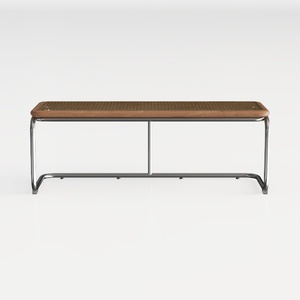

Modern Minimalist Solid Wood Rattan Metal Frame Bench 3D Model

Modern Dining Chairs 1PC, Upholstered Kitchen
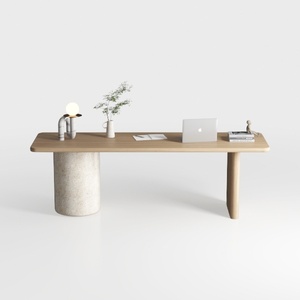
Minimalist Japandi Solid Wood Concrete Office Desk 3D Model
Homestyler is your go-to online home design platform, offering an easy-to-use design tool and stunning 3D renderings. With a wealth of DIY video tutorials and diverse design projects, it empowers you to transform your space effortlessly, whether you're a beginner or an experienced designer.
Design Now for FREE
































