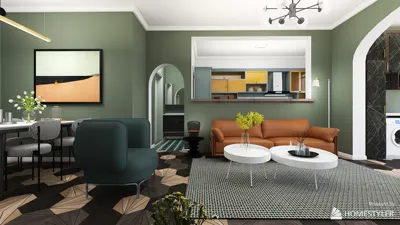


Compact Thahoor rooms and dormitory designs necessitate a well-defined spatial hierarchy, an appreciation for rituals, and an astute focus on lighting, acoustics, and storage solutions. As a designer, I emphasize the importance of clear circulation paths, varying levels of privacy, and versatile furniture that respects serene routines while simplifying maintenance. In limited spaces, even the smallest details play a crucial role—effective design can transform a small area into a peaceful and spacious environment rather than a claustrophobic one.
Research indicates that the constructed environment can significantly influence both well-being and productivity. The WELL Building Standard (WELL v2) points out that adjustable task lighting, acoustic comfort, and consistent temperature are vital elements contributing to the health and contentment of individuals, particularly in compact sleeping spaces. The insights provided by Steelcase highlight that settings encouraging focus and recuperation enhance overall satisfaction and alleviate stress, which is essential in shared environments with limited space. WELL v2 offers actionable guidelines for light quality, glare management, and sound levels (refer to v2.wellcertified.com).
The quality of lighting is crucial in smaller rooms. I adhere to IES recommended practices that help balance vertical and horizontal illumination, minimize contrast, and maintain a unified glare rating (UGR) that prioritizes eye comfort—essential in close quarters where beds, storage, and seating are positioned near one another. Specific targets include around 300–500 lux for reading, warm ambient lighting in the range of 2700–3000K for relaxation, and indirect dimmable sources to reduce harsh shadows. These targets align with established IES lighting guidelines suited for residential settings and WELL recommendations for circadian-friendly environments.
Space Fundamentals: Zoning, Flow, and Privacy Layers
I begin by delineating three distinct zones: entry and storage, sleep and reflection, and wash or hygiene (if attached). Even within a compact footprint of 9–12 m², a clear movement path from the entrance to the bed enhances flow. Maintaining a 750–900 mm corridor facilitates comfortable movement, while positioning the bed away from the direct sightline of the door fosters a sense of privacy. For rooms with bunk beds or multiple sleeping areas, staggering orientations reduces face-to-face contact and using soft dividers, like curtains or screens, creates intimate corners for relaxation and contemplation.
Compact Layouts: Beds, Storage, and Ritual Objects
In settings like dormitories, vertical design solutions are essential. Elevating beds with lofts or well-ventilated bunks, integrating under-bed drawers, and implementing narrow, elevated shelving for personal belongings are critical strategies. I prioritize furniture depths of 350–450 mm along storage walls to maintain fluid circulation. Ritual items should be both visible and protected—use niche shelving with soft lighting, positioned away from high-traffic areas. Utilizing a specialized room layout tool can speed up the design iterations and aid in testing clearances and sightlines prior to finalizing built-ins: consider incorporating tools like Homestyler for enhanced planning.
room layout tool
Light Environment: Illumination, Color Temperature, and Glare
Implementing layered lighting creates adaptability without clutter. The ambient light must be gentle and indirect—using methods like cove lighting or wall-washing—while directional reading lights should be localized with glare shields. My preference is for warm whites (2700–3000K) to foster rest, coupled with a neutral color temperature (3500–4000K) during task periods. Controlling glare is paramount: employ matte finishes around light sources, use lamps with diffusers, and avoid bare bulbs positioned at eye level. It’s also important to maintain a balanced reflectance—around 80–85% for ceilings, 60–70% for walls, and 20–30% for floors—to stabilize brightness and minimize visual fatigue.
Color Psychology: Quiet Warmth and Visual Lightness
Color significantly influences how space is perceived and affects mood. Using desaturated warm neutrals can soften spaces and create the illusion of expanded boundaries, while subtle accent colors (like muted terracotta or soft olive) add depth without overwhelming the senses. Research from Verywell Mind underscores that warm tones promote comfort, while cooler hues foster tranquility; in compact environments, I blend a warm base with cooler accents to achieve a harmonious equilibrium of comfort and serenity.
Ergonomics & Human Factors: Comfort in Tight Quarters
Design choices focused on human scale enhance usability. Bed heights around 450–500 mm facilitate easy access, and ladders with a slope of 70–75° and treads of 280–300 mm ensure safety for bunk beds. Maintain clear space for closet pulls (100–120 mm) and ensure sitting areas have at least 600 mm of clearance for shared desks. Line controls and hardware should be easily accessible for all users; fixtures should be mounted at 1000–1100 mm and offer dual-level lighting controls to meet varying preferences.
Acoustic Comfort: Quiet as a Feature
In small dormitories, noise can be amplified. I integrate soft surfaces—such as acoustic ceiling tiles (NRC 0.70+), fabric panels, and heavy curtains—and separate bed frames from shared walls. Using rubber grommets and felt pads helps to minimize transmission of sound. Setting clear quiet hours and employing door sweeps alongside perimeter seals can also limit sound leakage. These strategies align with WELL’s acoustic principles, aiming to reduce reverberation times and limit cross-communication in communal areas.
Air, Thermal, and Cleanability
Proper ventilation and ease of maintenance preserve dignity in compact spaces. Wherever feasible, ensure cross-ventilation and opt for low-VOC materials. Thermal comfort should be maintained between 20–24°C, adjustable via operable windows or low-noise fans. Select surfaces that are easy to clean and anti-microbial for high-touch points—such as handles, bed rails, and switch plates—and elevate storage to facilitate cleaning below. In dormitory settings, it's preferable to avoid deep plush carpets, opting instead for low-pile or modular tiles for easier upkeep.
Material Selection & Sustainability
A focus on durability and tactile experiences can be achieved simultaneously. I recommend high-pressure laminates for cabinetry, oiled wood to add warmth, and powder-coated steel for framing. Considering sustainability, choose FSC-certified timber and finishes with low VOCs. Textiles should withstand a minimum of 50,000 double rubs for resilience while allowing for hygienic maintenance through removable covers. Adopting a simple color palette can minimize visual clutter and streamline the procurement process.
Dorm Layout Strategies: Density Without Stress
To prevent overcrowding, I establish a rhythm: a bed unit, personal storage, and a micro seating area. Variation in orientation aids in dispersing sightlines. Where permitted, using partial-height partitions can afford privacy without obstructing air and light flow. Wall-mounted shared desks with flip-down leaves allow for easy passage when not in use. If circulation paths feel constrictive, utilizing an interior layout planner like Homestyler can test clearance and door swing dimensions:
interior layout planner
Ritual-Friendly Details: Light, Cleanliness, and Order
A deep respect for Thahoor practices informs my detailing: ensuring easy access to cleansing areas, providing discreet storage for personal belongings, and choosing clean, low-dust surfaces. I position soft, indirect lighting close to reflective niches, avoid bright glare at eye level, and maintain straightforward pathways toward washing facilities. Simple installations like hooks and labeled storage spaces enhance order without the need for excessive supervision.
2024–2025 Design Trends Applied to Small Dorms
Three design trends that suit compact dormitories are adaptive micro-furniture, seamless technology integration, and biophilic design elements. Furniture that folds away and modular seating can transform the layout in moments. Incorporating soft technology—such as USB-C power outlets, unobtrusive task lighting, and silent fans—reduces both noise and visual clutter. Biophilic elements like wood textures, plant shelves, and optimizing for daylight enhance the emotional grounding of the space while also improving perceived size.
Common Mistakes I Avoid
I steer clear of excessively bright overhead lights that cause glare. I also avoid deep, dark storage solutions that obscure clutter instead of organizing it. Bulkily sized furniture in circulation areas is another pitfall, as is neglecting acoustic considerations—sound can quickly disrupt relaxation and contemplation in small settings.
FAQ
Opt for ambient indirect lighting, diffused task lamps, and matte finishes near fixtures while keeping lighting positioned below eye level. Aim for 300–500 lux for reading, and minimize high contrast between bright areas and dark walls.
Consider staggered bunks or lofted beds with integrated under-bed storage. Ensure a circulation path of 750–900 mm and avoid directly opposing beds to lessen cross-views.
Incorporate soft acoustic panels, thick curtains, door sweeps, and felt pads under furniture, while ensuring bed frames are not fixed against shared walls. Target NRC 0.70+ in critical areas to control reverberation.
Utilize desaturated warm neutrals for foundational surfaces combined with subtle cooler accents to balance comfort and serenity while enhancing visual space.
Employ warm ambient lighting (2700–3000K) for restful periods and neutral task lighting (3500–4000K) for reading and studying. Ensure dimming options are available to facilitate smooth transitions between tasks.
Leverage vertical spaces for under-bed storage, high shallow shelves (350–450 mm deep), and wall hooks. Ensure pathways are unobstructed and avoid overly deep casework.
Deploy soft barriers like curtains, partial height screens, staggered bed positions, and personalized storage areas to enhance privacy while reducing direct sightlines.
Select materials like high-pressure laminates, powder-coated steel, oiled wood, and low-pile modular floor tiles. Choose textiles with removable covers to foster hygiene and facilitate laundering.
Plan for circulation paths of 750–900 mm whenever feasible. Validate configurations with a room design visualization tool to ensure adequate clearances and door functionality.
Designate a single shelf for plants, use natural wood finishes, and emphasize layouts that optimize daylight. Keep accessories minimal to maintain visual serenity.

Minimalist Solid Wood Floating Wall Shelves Set 3D Model

White Dresser 7 Drawer Dresser for Bedroom, Modern

HOSTACK Buffet Cabinet with Hutch, Modern
Discover your creative side with Homestyler! This user-friendly online platform features an intuitive design tool, stunning 3D renderings, and a wealth of inspiring design projects and video tutorials. Bring your home design dreams to life, effortlessly transforming any space into your perfect sanctuary!
Design jetzt kostenlos
































