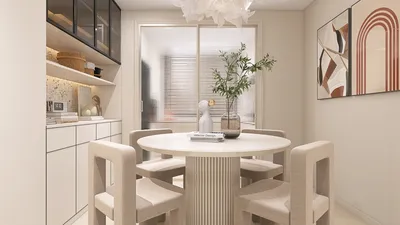


In my experience designing various compact dining spaces for apartments, studios, and accessory dwelling units, I have found that a cozy round table paired with two chairs consistently stands out. Its geometric shape minimizes harsh edges and allows for easy movement, while the compact footprint feels inviting. When optimized correctly, this arrangement transforms into a cherished spot for daily rituals—whether it’s enjoying coffee, working on a laptop, or sharing evening meals—without overwhelming the surrounding area. Incorporating tools like Homestyler can assist in visualizing these cozy dining setups effectively.
To ensure the right scale and comfort of a dining area, relying on data is essential. According to WELL v2 guidelines, implementing glare control and balanced illuminance for task zones is crucial; I typically aim for about 200–300 lux at dining surfaces for casual meals and increase that to 400–500 lux when the table serves a dual purpose as a home office space (in line with WELL v2 recommendations). Ergonomically, maintaining a seat height of around 17–19 inches along with a table height of 28–30 inches promotes a natural posture (widely referenced in ergonomic guidelines). These measurements help maintain comfort, even when the dining space doubles as your office setup.
User behavior significantly impacts satisfaction levels: Steelcase's research underscores the importance of flexible, human-centered environments that foster both social interactions and focused work. When a dining nook is designed to cater to various activities, users report improved overall satisfaction and daily routines. In my projects, I've observed that a 30–32 inch round table with two armless chairs comfortably fits within a 5x5 ft area, ensuring a circulation space of 24–30 inches around it—sufficient for movement and standing without encroaching walls, particularly when planning through platforms like Homestyler.
Selecting the Ideal Diameter and Dimensions
For two diners, a diameter of 30–32 inches is ideal. This size accommodates plates, glassware, and a small centerpiece without elbow collisions. In particularly tight spaces, a 28–30 inch table may be feasible—simply opt for slim chairs without armrests. Ensure the table base is compact; a pedestal base minimizes leg interference compared to traditional four-legged designs, while lightweight bases (like slender metal or tapered wood) maintain a sense of openness. Chairs with open backs and narrow profiles contribute to an airy feel in small areas.
Spatial Strategies for Maximizing Room
Position the table slightly off-center from walls to allow for circulation on both sides. In narrower spaces, angling the table by 10–15 degrees allows its round shape to adapt well to unconventional layouts. When configuring a micro-dining nook near a kitchenette, I frequently use a room layout tool, such as Homestyler, to simulate daily movement and the distance for chair pullouts: a simple guideline is to maintain at least 24 inches behind each chair for comfortable movement, and ideally 30 inches if the kitchen is a busy transit area.
Illumination: Task, Ambient, and Glare Management
Round tables are beautifully complemented by centered pendant lights. Hanging a dimmable fixture 28–34 inches above the table minimizes glare and shadows. Warm-white LEDs in the range of 2700–3000K enhance the appeal of food and create a cozy atmosphere; increase to 3000–3500K when the table is used for work. When situated near a window, consider adding a translucent shade or low-profile roller blind to soften midday brightness; indirect light bouncing off a matte wall ensures a comfortable luminance ratio while avoiding harsh reflections.
The Psychology of Color and Visual Harmony
Compact areas thrive on calming color palettes. Muted neutrals—warm grays, sand, and pale sage—reduce visual clutter, allowing the rounded shape to stand out. A subtle contrast between the table surface and chair frames introduces rhythm without overwhelming the senses. For a burst of energy, consider accessorizing with vibrant items like a terracotta vase or patterned seat cushions. Keep wall colors subdued to maintain the table as the centerpiece, while soft textures from linen runners and felt chair pads help absorb sound and light, enhancing the overall balance.
Managing Acoustics in Smaller Dining Areas
Hard surfaces tend to amplify the sounds of clinks and conversation. To dampen noise, consider placing a small round rug underneath the set (ensuring that chairs roll smoothly over its edge) along with upholstered seating for noticeable sound reduction. If your dining nook is adjacent to a hard-tiled kitchenette, think about incorporating a fabric-wrapped artwork or a cork panel on the nearby wall. These small adjustments promote clearer conversations and lessen fatigue during extended meals or work sessions.
Selecting Materials with Sustainability in Mind
I prefer using responsibly sourced solid wood or high-pressure laminate for their durability. Matte finishes lessen glare, leading to a more comfortable viewing experience. If the table serves as a workspace as well, choose scratch-resistant laminates or oil-finished woods that can be refreshed. For chairs, powder-coated steel frames with removable fabric cushions make maintenance easier, while washable covers lengthen their lifespan. In tight spaces, every item must be functional—choose materials that are durable and can withstand everyday usage.
Ergonomics: Comfort for Seated Users
The shape of edges matters; slightly rounded table edges enhance comfort for wrists and forearms. Chair seats must support thighs without causing discomfort; a slight waterfall front edge alleviates pressure points. Gentle lumbar curves in backrests enhance posture during extended seating. If space is limited, forgo armrests, as they add bulk and complicate chair movements. For those who work at the table frequently, consider adding a slim seat cushion (1–1.5 inches thick) for improved comfort without raising the overall height too much.
Storage and Dual-Function Strategies
Utilize vertical space: a narrow wall shelf for utensils, chargers, or a small plant can help free up tabletop space. A compact side cabinet paired with a slide-out tray creates a serving area or an additional workspace. Opt for stackable or lightweight chairs that can be easily tucked away if you need more room; they can be stored effortlessly. A round table with a folding leaf also allows for flexibility during gatherings—keeping a compact diameter when not in use and extending it by 6–8 inches for extra guests.
Creating a Clutter-Free and Stylish Environment
One well-chosen centerpiece suffices. A low vase, trio of candleholders, or a small fruit bowl brings warmth without obstructing sightlines. Use coasters, napkins, and a slim tray to keep everyday items neatly organized. I steer clear of bulky runners in extremely small spaces, as they may elongate appearances while potentially disrupting the circular form; instead, opt for a compact placemat set or a single textured trivet.
Practical Arrangement Concepts for Actual Homes
Bay window corners are perfect for a small round table, as the curve complements the architecture. In studio apartments, position the dining area near a lighting source to avoid clutter from cords and floor lamps. If the entry area leads into the living space, positioning the table near a piece of wall art creates a cozy focal point, while ensuring clear sightlines to the sofa so that the room maintains a cohesive appearance.
Frequently Asked Questions
A diameter of 30–32 inches is generally recommended. In extremely tight configurations, a table with a diameter of 28–30 inches is suitable, provided the chairs are slim and armless.
The table height should ideally be around 28–30 inches, with chairs sitting at 17–19 inches to maintain proper elbow and knee angles as advised by ergonomic guidelines.
Aim for a minimum of 24 inches behind each chair to facilitate comfortable movement; increase to 30 inches if the path serves as a thoroughfare to the kitchen.
A dimmable pendant fixture should be centered and suspended 28–34 inches above the tabletop. For dinner settings, 2700–3000K is ideal, while 3000–3500K works for tasks.
Armless, open-back chairs with slender frames are the best choice. Avoid bulky upholstery in limited spaces to maintain visual clarity and facilitate chair movement.
Incorporate a small rug, upholstered seating, and either a fabric or cork wall panel in nearby areas. Soft finishes dampen sounds and clarify speech.
Absolutely. Ensure adequate task lighting (400–500 lux), choose a durable tabletop, and consider a slim seat cushion for enhanced comfort during extended sessions.
High-pressure laminate or solid wood with matte finishes are ideal for tabletops; powder-coated steel frames with removable, washable cushions are best for chairs.
Limit your decor to one low centerpiece, use a tray for essential items, and utilize vertical storage like a narrow wall shelf or compact cabinet for less clutter.
A pedestal base is more advantageous as it reduces knee interference and simplifies chair movements, particularly at diameters below 32 inches.

Modern Pink Velvet Gold Metal Bow Back Dining Chair 3D Model

Minimalist Oak Fabric Dining Armchair 3D Model

Benjara Ralyn Sectional Sofa, 2 Accent Pillows, L
Homestyler is your go-to online home design platform, perfect for all skill levels! With its user-friendly design tool and stunning 3D renderings, you can explore a variety of design projects. Plus, the DIY video tutorials make it easy to bring your vision to life. Start creating your dream space today!
Zaprojektuj teraz za darmo
































