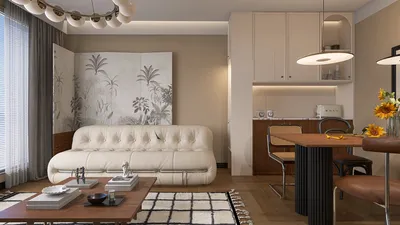


In my experience, attempting to fit a full-time crafting area into a narrow 6-foot-wide alcove taught me a valuable lesson: enthusiasm alone cannot substitute for adequate space — glue gun burns included! This little mishap revealed how limited spaces can actually enhance decision-making, leading me to maintain a collection of space-saving sketches and layout ideas for various small projects. In this article, I will present five effective compact craft-table concepts, complete with genuine advantages, unique traits, and budget insights from my own projects.
1. Fold-down wall craft table
Fold-down tables are a favorite of mine due to their ability to conceal themselves when not in use. For a client who despised clutter, I set up one of these tables, and now they proudly showcase their newly freed floor area. The benefits are clear: minimal footprint and quick setup. However, it’s important to ensure you have a sturdy wall and robust hinges for those serious crafting sessions.
Tip: If you plan to engage in soldering, heavy cutting, or operate a standing mixer, consider reinforcing the setup with a hidden support arm; while this may incur some modest carpentry costs, the daily convenience is invaluable.
save pin
2. Nesting tables that double as storage
Nesting tables are my go-to solution when clients seek multiple work surfaces without sacrificing permanent space; simply pull one out for use, then slide it back into place afterward. They are surprisingly adaptable and budget-friendly, although opting for ultra-light materials may lead to wobbling.
One of my favorite strategies involves incorporating removable trays or divided bins under the tabletop to facilitate quick access to supplies — this approach is economical, reversible, and forgiving, allowing for adjustments along the way.
save pin
3. Drop-leaf table with built-in organizers
Drop-leaf tables offer adjustable workspace, and in a recent apartment project, I incorporated small cubbies beneath the leaf for scissors, rulers, and paper. The benefits are evident: a flexible working area along with hidden organization; however, there may be occasional issues with clearance if the drop-leaf is positioned too high or low relative to seating.
For precise planning while designing layouts, I frequently utilize a custom kitchen layout guide to ensure comfortable clearances; it’s fascinating how universally applicable some ergonomic principles can be.
save pin
4. Rolling craft cart that converts to table
I set up a rolling cart with a flip-up top for a couple who adored hosting craft nights. The mobility offered by wheels is a fantastic advantage, and the additional storage is a significant perk; be sure to opt for lockable casters, or else you might find your workspace drifting across the room during intense crafting.
From a budget perspective, you can either DIY a solid utility cart and plywood or purchase ready-made options; regardless of the approach, consider incorporating drawer dividers to avoid the hassle of searching for small items.
save pin
5. Window-seat fold-out table
Transforming a shallow window seat into a fold-out table is one of my preferred small-space strategies — it provides natural light, a picturesque view, and a surprisingly delightful workspace. This setup is excellent for daytime tasks and can serve as additional seating, although installation may require more effort if cutting into trim or adding structural supports is necessary.
For modern clients, I also create quick concepts using AI design solutions to present various layout options rapidly; this technique not only saves time but also aids clients in visualizing potential trade-offs.
save pin
FAQ
Q1: What’s the ideal height for a craft table in a small space?
A: Standard work-surface height ranges around 36 inches (91 cm) for standing-friendly crafting, while seated detailed tasks often prefer heights of 28–30 inches. Solutions with adjustable heights are perfect if multiple activities will be performed on the table.
Q2: Can I build a durable craft table on a tight budget?
A: Absolutely — using quality plywood for the surface along with basic metal brackets or a pre-made cart base can be a great approach. The most significant savings can be achieved through thoughtful choices in materials, focusing spending on areas requiring durability such as the surface and hardware.
Q3: How do I choose between fixed and fold-down tables?
A: Opt for fold-down tables if you need to maximize floor space and want to reclaim it often; on the other hand, select fixed tables when stability and heavy-duty usage are essential. A balanced approach could be to create a small fixed base complemented by a fold-down extension.
Q4: Are nesting tables sturdy enough for heavy craft tools?
A: Good-quality nesting tables can handle medium tasks quite well; if heavy equipment like bench sanders is involved, reinforce the surface or dedicate a specific fixed mini-workbench for such tasks. Always check weight ratings when purchasing pre-made units.
Q5: How much clearance do I need around a craft table?
A: Ensure at least 30–36 inches of clearance behind seating for comfort and easy movement. For actionable planning tips regarding clearances, refer to ergonomic guidelines from design authorities such as the National Kitchen & Bath Association (NKBA) at https://www.nkba.org.
Q6: What finishes are best for craft table tops?
A: Durable finishes like polyurethane or laminate hold up well against stains and cuts; additionally, using replaceable cutting mats or self-healing mats can provide an inexpensive and reversible layer for hobbyists. Choose a finish that aligns with your mess level and maintenance preferences.
Q7: Any tips for storing small supplies near a tiny table?
A: Consider using vertical storage options, pegboards, and magnetic strips to keep tools organized and off the tabletop. Clear bins with labels can streamline your process and eliminate the frustrating “where did I put the washi tape?” moments I've experienced.
Q8: Can multifunction tables increase home resale value?
A: Thoughtfully designed built-ins and high-quality multifunctional furniture can attract buyers in smaller homes, as they demonstrate efficient use of space. Keep designs relatively neutral to allow future homeowners to envision their own potential uses.
save pin
Homestyler is your go-to online home design platform, offering an easy-to-use design tool, stunning 3D renderings, and a wealth of inspiring design projects. With helpful DIY video tutorials, you can effortlessly transform your space into a masterpiece, regardless of your experience level!
Concevez maintenant gratuitement
































