


As we move forward, the demand for thoughtfully designed compact apartment floor plans is becoming increasingly urgent. The current trends such as hybrid working environments, the prevalence of delivery culture, and evolving social interactions are all intertwining within spaces that are often less than 600 square feet. Zillow's findings indicate that smaller units with functional layouts have gained popularity among renters, clearly implying that efficiency now takes precedence over sheer size. I envision these plans as early frameworks for the lifestyles of tomorrow, treating each wall as a set of guidelines and every entrance as a gateway to potential.
spatial reasoning toolkit
Studio Spine with Convertible Core
Design Logic: At the heart of this design is a central 'spine' that integrates the kitchen, bathroom, and a foldable bed. It prioritizes natural light and adaptability—modern living necessitates flexible areas that can serve multiple functions harmoniously.
Flow: The transition begins from the entryway, leading into a utility alcove, followed by a kitchen rail, a convertible core, and finally into a lounge or bay area. This straightforward sequence of spaces ensures seamless changeovers between work and rest periods.
Sightlines: A visual path from the entrance to the window enhances spatial perception; the core serves to minimize clutter, emphasizing light and expansive views as primary interactions.
Storage: Features such as full-height pantries, bed-wall cabinets, and toe-kick drawers create storage solutions that efficiently allocate frequently used items at lower levels while seasonal items are stored overhead.
Furniture Fit: The design includes a 72-inch sofa, a 24-inch depth table on wheels, and a queen murphy bed allowing for a clear swing space of 60 inches. API limitations ensure that pathways are unobstructed at 34 inches.
Verdict: In five years, this core can seamlessly integrate new technologies such as robot vacuums and air quality monitors, all while retaining the fundamental layout.
save pin
One-Bed Switchback Circulation
Design Logic: This layout features a switchback design, connecting the entryway with the kitchen, living area, bedroom, bathroom, and hallway in a way that avoids dead ends. The future is leaning towards adaptable routines that can accommodate varying schedules.
Flow: Daily tasks follow a clockwise pattern in the morning and switch to counterclockwise at night; akin to asynchronous activities, pathways operate without hindrance from one another.
Sightlines: Strategically framed openings create visually engaging lines—from the kitchen pass-through to the living room window and balcony railing—providing depth without the need for additional space.
Storage: A corridor wall with a depth of 14 inches can serve as long-term storage for items like cleaning supplies and luggage, while the bedroom closet is organized based on item usage frequency.
Furniture Fit: A versatile 30x60 dining table that pivots into a desk, an 84-inch media wall that defines seating areas up to 36 inches deep, and a bed measuring 60x80 with 24 inches on each side accommodate space efficiently.
Verdict: This looped layout is capable of adapting to new appliances like a folding treadmill or parcel drop-off location, all while maintaining optimal flow even under increased household activity.
save pin
Micro-2 with Split Nodes
Design Logic: Two compact rooms serve as distinct nodes for sleeping and focusing, while a shared central space is dedicated to socializing and cooking. The co-living demands of tomorrow require clear separation of activities.
Flow: The layout flows from an entry buffer to a kitchen island hub and living area, branching off into either Room A or Room B, with decisions structured like if/then scenarios instead of conflicting paths.
Sightlines: The island’s alignment with the window maximizes depth perception, while bedrooms maintain indirect views that preserve privacy, resembling separate views within a unified interface.
Storage: The island base acts as practical storage, hallway sliders provide access to less frequently used items, and bed lifts offer concealed storage; all items are clearly labeled and easily accessible.
Furniture Fit: 24-inch stools fit snugly under the island, allowing 30-inch circulation; a pair of sofas measuring 48 inches complements twin-to-full convertible beds featuring 18-inch side spaces.
Verdict: Over a span of five years, residents can make adjustments—transforming a space into a nursery or a studio without disrupting daily life routines.
save pin
Final Takeaway
A compact apartment floor plan should not be viewed as a limitation; rather, it serves as a precise system where every square inch translates to meaningful choices and routines. Various designs, including micro one-bedroom and split-node configurations, highlight that efficient flow, sightlines, and innovative storage solutions are more crucial than sheer size. Strategies like convertible cores and adaptable circulation effectively future-proof daily activities. In my view, the most advanced homes of the future will not necessarily be larger, but rather more purposefully designed, much like what can be achieved through tools like Homestyler.
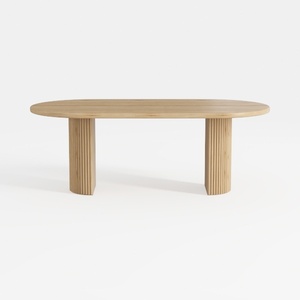

Jennifer Taylor Home Jesse 55.5" Single Drawer Sto
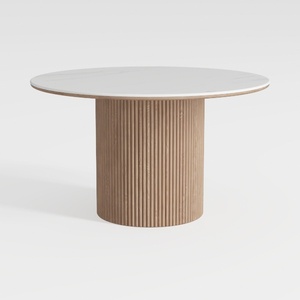
Minimalist Fluted Solid Wood Marble Top Round Dining Table 3D Model
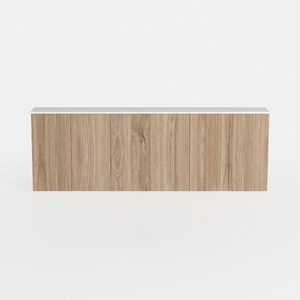
Fluted Sideboard Buffet Cabinet with Storage,
Homestyler is your go-to online home design platform! With its user-friendly design tool, impressive 3D renderings, and a wealth of DIY video tutorials, you can effortlessly create, visualize, and transform your space into a home that reflects your style.
지금 무료로 디자인하세요
































