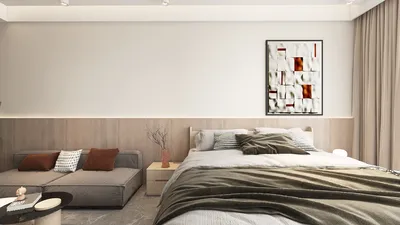


Common TV Placement Mistakes in Compact Living Rooms
In small living spaces, typical TV placement errors include mounting the television too high, neglecting window glare, seating too near the screen, and obstructing traffic flow. Adjusting the viewing height, managing ambient light, and optimizing furniture layout often resolves most viewing discomfort issues.
Key Takeaways
Overview
With over ten years of experience designing compact living rooms, I have found that layout challenges usually stem less from furniture size and more from incorrect TV placement. An improperly positioned TV can throw off the entire room’s balance, resulting in uncomfortable viewing angles, visual distractions from glare, and a feeling of cramped space.
Many homeowners mistakenly believe the largest wall automatically serves as the ideal TV spot. This misconception often leads to problems such as neck pain, obstructed pathways, or furniture jammed awkwardly into corners.
If you're still experimenting with your room layout, using a tool like Homestyler to visually test furniture and TV arrangements can quickly indicate whether your TV’s position is beneficial or detrimental to the space.
Below, you’ll find common TV placement pitfalls in small living rooms along with practical solutions that deliver better comfort.
Avoid Mounting the TV Too High
Important Insight: The TV center should align with the viewer’s seated eye level. However, TVs are often mounted well above this recommended height.
A frequent complaint is discomfort caused by TV placement. Many installations position the TV above fireplaces or high shelves, which may look aesthetically balanced but cause ergonomic issues.
Prolonged upward neck tilting to view the screen can lead to strain. The American Academy of Ophthalmology highlights that excessive upward viewing angles also contribute to eye fatigue.
In most compact living rooms, ideally the TV center height approximates the seated eye height, which enhances comfort.
A common design oversight is placing symmetry above ergonomics; a perfectly centered TV isn’t always comfortable to watch.
Manage Natural Light and Screen Glare
Important Insight: Improper lighting placement causes more viewing problems than the TV's size or seating arrangement.
Many glare issues arise when windows face the TV directly, producing distracting reflections during daylight hours.
I assess three main types of glare and recommend placement strategies to minimize their impact.
Optimal fixes include repositioning the TV or window treatments to reduce glare effectively.
Avoid Seating Too Close to the TV
Important Insight: Small rooms often lead homeowners to place couches too near the screen, causing eye strain and awkward viewing posture.
Contrary to popular belief, a comfortable viewing distance depends on the screen size, not just room dimensions.
Standard recommendations suggest a viewing distance between 1.5 and 2.5 times the diagonal screen measurement.
To maximize space, consider placing the TV in a corner or using slim furniture to gain extra inches.
Visualization tools like Homestyler’s 3D floor plans can help you understand scale and spacing before rearranging your furniture.
Prevent Blocking Walkways and Doorways
Important Insight: The TV placement should never interfere with natural circulation paths within a room.
A common mistake in apartments is positioning the TV on walls simply because of power outlet availability, which may block pathways or force awkward traffic patterns.
Good design prioritizes free movement first, ensuring people don’t have to navigate tight gaps between furniture and the screen.
Continuous moving of chairs just to pass through indicates poor TV and furniture placement, creating an unpleasant, disorganized space.
Simple Solutions to Enhance Viewing Comfort
Important Insight: Correcting most TV placement errors can often be achieved without purchasing new furniture or equipment.
Minor adjustments frequently yield significant comfort improvements.
Practical suggestions include lowering the TV, repositioning seating, and controlling glare with window treatments.
Experimenting with multiple layout alternatives using AI-driven visualizers such as Homestyler enables homeowners to foresee which configurations increase comfort without physical trial and error.
Summary of Major Small Living Room TV Placement Challenges
Top mistakes include excessively high mounting, window glare, insufficient seating distance, and obstructed room circulation. Addressing these by adjusting screen height, managing light, and maintaining clear pathways generally resolves comfort issues.
FAQs
Why does my TV setup feel uncomfortable?
Most often, the TV is mounted too high or placed at an awkward distance. Aligning the screen with eye level typically resolves discomfort.
What is the optimal height for a TV in a small living room?
The TV’s center ideally aligns with seated eye level, usually about 40 to 42 inches from the floor.
How can I reduce glare on my TV screen?
Position the TV perpendicular to windows or use curtains, blinds, or anti-glare filters to lessen reflections.
How far should seating be from the TV?
The recommended distance is 1.5 to 2.5 times the screen size. For example, a 65-inch TV works best at roughly 8 to 10 feet away.
Is mounting a TV above the fireplace a good idea?
Generally no, as this positioning places the screen too high, causing neck strain and suboptimal viewing angles.
What are frequent small living room TV placement mistakes?
Typical issues include high mounting, ignoring glare, seating too close, and blocking walkways.
Can placing a TV in the corner improve a small living room layout?
Yes, corner placement can enhance circulation and provide better viewing angles in tight spaces.
Should the TV face a window directly?
Usually not, since windows opposite the TV tend to cause glare and reflections that impair viewing quality.
References
American Academy of Ophthalmology — Screen Viewing Ergonomics
Society of Motion Picture and Television Engineers — Viewing Distance Guidelines
Minimalist White Fabric L Shaped Sectional Sofa with Ottoman 3D Model

Minimalist Solid Wood Light Green Fabric Loveseat Sofa 3D Model
Minimalist White Fabric L Shaped Sectional Sofa 3D Model
Homestyler offers an easy-to-use online design tool with stunning 3D renderings, inspiring interior projects, and helpful DIY video tutorials—perfect for bringing your home design ideas to life effortlessly.
تصميم الآن مجانا
































