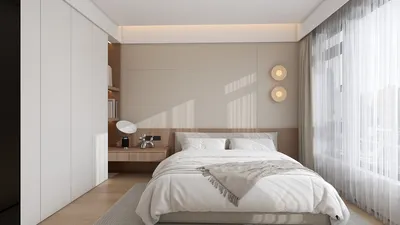



Direct Answer
Common design errors in small apartments often involve overcrowded furnishings, inadequate lighting, neglecting vertical storage solutions, and inefficient spatial arrangements. Addressing these issues usually doesn't demand costly renovations, but rather smarter choices in furniture sizing, layered illumination, vertical organization, and improved layout planning, often facilitated by tools like Homestyler.
Quick Takeaways
Introduction
With extensive experience in numerous urban housing projects, I can confidently state that many small apartments feel confined not due to their size but because of avoidable design mistakes specific to small spaces.
Recurring challenges include oversized sofas that overpower the room, a single harsh overhead light source attempting to light the entire apartment, storage solutions that end at eye level, wasting valuable upper wall space.
Frustratingly, these problems become apparent after the decorating budget has been spent: furniture is bought, paint dried, yet the apartment still feels cramped.
Often, the root cause lies in inadequate layout planning. I frequently suggest using a digital layout platform like Homestyler before purchasing furniture to visualize how pieces fit, which helps identify scale and spacing issues not visible on paper plans.
This guide explores common interior design pitfalls in small apartments and, more importantly, offers budget-conscious solutions to overcome them.
The objective isn't flawlessness but rather enhancing spatial functionality with existing resources.
save pin
Why Small Apartment Design Frequently Fails
Key Insight: Applying design strategies meant for large homes directly to small apartments often leads to problems.
People often furnish small apartments as if they were spacious houses—full-sized sofas, bulky coffee tables, large media consoles, and multiple side tables—which on paper seems fine but results in clutter and footprint overload in limited space.
Another common mistake is acquiring furniture piecewise without considering walkways, which causes cramped movement even if technically everything fits.
Typical pitfalls include:
Design professionals usually begin with zoning the space to enhance circulation, ensuring pathways maintain at least 30 to 36 inches clearance, a guideline endorsed by the American Institute of Architects.
Most small apartments I review violate this clearance rule in multiple areas.
Overfurnishing the Space
Key Insight: A single oversized furniture piece can reduce practical area more than several smaller alternatives combined.
A prevalent issue is the "showroom sofa" syndrome—people purchase deep, sectional sofas they tested in large stores, only to find them overwhelming the entire living area.
For small living spaces, appropriately scaled furniture matters far more than the number of pieces.
Effective furniture strategies include:
One technique favored in many projects is using furniture with exposed legs, enhancing visual floor space, which creates a sense of openness—an approach supported by platforms like Homestyler during the design phase.
This subtle adjustment significantly reduces visual weight in the room.
save pin
Inadequate Lighting Choices
Key Insight: Relying on a single ceiling fixture flattens space and makes rooms appear smaller than they are.
Lighting is often underestimated in compact apartment design.
Commonly, a single overhead light creates harsh shadows, confining the room’s feel.
A superior lighting plan incorporates three distinct layers:
By layering light sources, brightness is evenly dispersed, visually broadening the room’s dimensions.
Studies by the Illuminating Engineering Society confirm that layered lighting enhances perceived space size and comfort.
Neglecting Vertical Storage
Key Insight: The upper half of walls in most small apartments is underutilized.
Entering many compact apartments reveals storage stopping at about shoulder height, wasting significant vertical real estate.
Smart vertical storage options suited for small spaces include:
For example, I redesigned a 420-square-foot studio in Los Angeles by installing full-height shelves, boosting storage capacity by nearly 60% without altering the floor footprint.
When planning vertical storage, using a free floor plan creator like Homestyler can help visualize and avoid costly layout errors.
save pin
Selecting Ineffective Color Schemes for Small Interiors
Key Insight: The issue lies not with dark hues but rather the lack of contrast and inability to reflect light effectively.
Popular advice often insists on painting small apartments white, but this can be misleading.
Pure white walls without contrasting elements tend to flatten the visual depth, making spaces feel less dimensional.
A better palette involves:
Research from color psychology indicates that layering neutral tones adds spatial depth, aiding in making rooms feel more spacious.
The key is balanced contrast, not mere brightness.
Problematic Layouts Reducing Usable Space
Key Insight: Poorly planned layouts waste more square footage than decorating mistakes.
Even well-chosen décor fails when it obstructs circulation.
Common layout challenges include:
Before moving furniture, I advocate digitally testing layouts with realistic home planning software like Homestyler to evaluate how pieces fit and identify circulation bottlenecks in 3D.
Professional designers heavily rely on these visualization tools since furniture placement flexibility diminishes after purchase.
save pin
Answer Box
The quickest way to resolve small apartment design errors is by downsizing furniture, implementing layered lighting techniques, maximizing vertical storage, and optimizing layouts to improve movement flow. Most enhancements only involve rearranging existing furnishings rather than undertaking costly renovations.
Budget-Friendly Solutions for Each Issue
Key Insight: Even minor design tweaks produce significant visual improvements.
Some practical tips I commonly suggest during consultations include:
Clients often expect extensive overhauls, but often strategic, subtle changes transform the feel of small apartments dramatically.
Design is less about adding items and more about removing obstacles within the space.
Final Summary
FAQ
What are the most typical design mistakes in small apartments?
Oversized furniture, insufficient lighting, limited storage, and poor layouts create cramped environments in small apartments.
Why do small apartments feel tight even when uncluttered?
Feelings of confinement generally arise from improper furniture scaling, obstructed pathways, and inadequate layered lighting rather than actual floor space.
How can poor layouts in small apartments be fixed?
Begin by clearing walking routes, reducing bulky furnishings, and rearranging seating zones to maintain open passage between areas.
Which colors make small spaces appear larger?
Soft neutral shades with layered contrasts are most effective. Light-colored walls paired with textured furniture add depth without overpowering the room.
What’s the appropriate furniture quantity for a small apartment?
Limiting pieces to essentials—usually a sofa, single chair, and a small table—is often sufficient.
Can lighting really influence perceived size?
Absolutely. Layered lighting evenly dispenses brightness and diminishes shadowy corners that tend to make rooms look smaller.
Which storage solutions work best in compact apartments?
Vertical shelving, mounted cabinets, and multifunctional furniture maximize storage without sacrificing floor space.
How to avoid typical small apartment decoration mistakes?
Carefully plan furniture sizing, test layouts using a visualization tool like Homestyler, and prioritize unobstructed circulation paths before buying new items.
References
Built on technology originally developed at Autodesk, Homestyler empowers anyone to design beautiful, realistic spaces in minutes. Join over 20+ million registered users (platform data, 2026) who have already discovered a smarter way to plan, visualize, and bring their dream homes to life — all from the comfort of a browser.
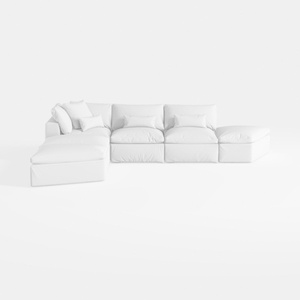

Minimalist White Fabric L Shaped Sectional Sofa 3D Model
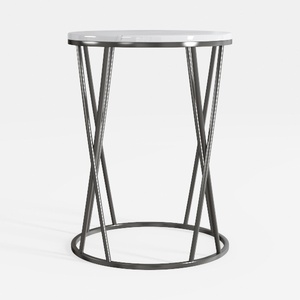
Modern Marble Top Metal Frame Round Side End Table 3D Model

Minimalist Modern White Open Bookshelf Display Shelf 3D Model
Homestyler offers an easy-to-use online home design tool with impressive 3D renderings, inspiring design projects, and helpful DIY video tutorials—perfect for anyone looking to create and visualize beautiful interiors effortlessly.
Concevez maintenant gratuitement