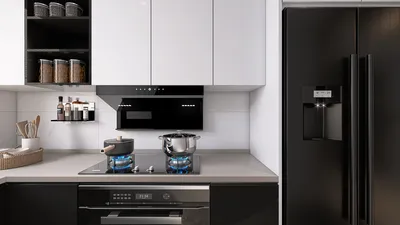


A common room serves as a communal space crafted for relaxation, social interaction, and diverse activities in shared living environments. Typically found in residential facilities such as dormitories, student housing, or co-living spaces, these areas facilitate gatherings among residents, enabling them to connect and partake in leisure pursuits. Common rooms are integral to community life, enhancing resident interaction and providing a cozy setting for both social and recreational undertakings. In educational settings, common rooms strive to cultivate a sense of camaraderie among students. They often feature comfortable seating arrangements, tables for studying or playing games, and sometimes even kitchen amenities for light snack preparation. While the design and features of a common room may widely differ, the goal remains to establish a friendly atmosphere that motivates students to engage with one another outside of academic settings. In residential areas like apartment complexes or co-living hubs, common rooms might include amenities such as lounge sections, fitness equipment, or co-working zones. These spaces are engineered to enrich the living experience, offering residents opportunities for socializing and collaboration. The presence of such areas can greatly enhance the feeling of belonging and community among residents, which is particularly crucial in larger living arrangements where individuals might experience isolation. Additionally, common rooms can host organized events and activities, including movie nights, game tournaments, study sessions, or community meetings. By utilizing these common spaces for events, residents are encouraged to interact, forging friendships and nurturing a supportive community vibe. One of the primary advantages of a common room is that it gives residents a designated area to relax and enjoy leisure activities, distinct from their private quarters. This is especially beneficial for students or individuals living away from home, as it helps reduce feelings of loneliness or seclusion. Moreover, a thoughtfully designed common room can enhance the overall aesthetic of the living environment, creating an inviting and appealing space for both residents and their visitors. In conclusion, a common room is an indispensable aspect of communal living, providing a multifunctional area for relaxation, socialization, and community involvement. Whether in educational institutions or residential complexes, these shared spaces significantly contribute to improving the living experience and fostering connections among residents. Furthermore, utilizing tools like Homestyler can aid in effectively designing these spaces to maximize their potential.
Tips 1:
When planning a common room layout, think about integrating comfortable seating, interactive activities, and a welcoming ambiance to promote resident engagement.
FAQ
welcome to Homestyler
Desain sekarang Gratis
































