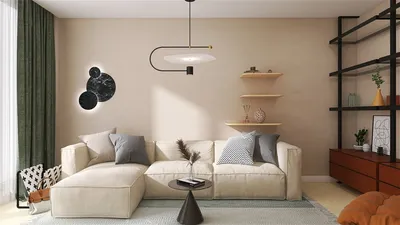


Common Pitfalls in 18,000 Sq Ft Home Plans
In an 18,000 square foot home layout, frequent errors include overly large circulation zones, inadequate separation between public and private areas, insufficient planning for mechanical and utility spaces, and rooms that, while spacious, lack clear functionality. Instead of simply adding space, the real challenge lies in organizing it effectively to ensure natural light, easy movement, and seamless daily routines.
From my experience with high-end residential designs, many of the layout problems in expansive homes arise not from architectural constraints but from delayed planning decisions during development.
Key Summary Points
Overview
Designing a home spanning 18,000 sq ft can appear exciting but comes with considerable risks where layout errors become both costly and complex to amend.
Over years of working on substantial residential projects, I've noticed that beyond 10,000 sq ft, the problems shift away from space availability towards how areas are structured, proportioned, and connected.
Many clients mistakenly believe that expanding square footage directly correlates with enhanced comfort, but larger homes can feel disconnected, with bedrooms isolated and hallways stretching excessively, leaving some wings underutilized.
These issues usually originate in early floor plan stages when layouts for circulation, zoning, and support areas aren't thoughtfully integrated, leading to designs that conflict with real-life living patterns.
Leveraging 3D visualization tools like Homestyler during the concept phase allows homeowners and designers to simulate traffic flows and spatial relationships, revealing layout inefficiencies not evident in flat blueprints.
Below, we'll examine frequent design blunders in vast luxury houses and offer strategies to prevent them.
Reducing Unnecessary Hallways and Circulation Space
Insight: Circulation zones can silently occupy 25–35% of a large home's total floor area if left unchecked.
One prevalent mistake in plans of this scale is permitting hallways to grow excessively simply because space is available. Long corridors or oversized transitional zones might impress on paper but rarely enhance everyday life quality.
In some lavish estates I've studied, over 5,000 sq ft was devoted solely to moving between spaces, inflating expenses without adding lifestyle benefits.
Common circulation-related challenges in expansive homes:
Recommended approach:
Instead of eliminating hallways completely, focus on designing circulation areas that feel intentional and well integrated.
Inadequate Separation Between Public and Private Zones
Insight: When entertaining areas blend with family spaces in luxury residences, it creates a disorganized environment.
Effective zoning is vital in mansion design. Lack of clear boundaries makes homes harder to live in and less comfortable.
I have encountered layouts where guest suites adjoin children's rooms, or kitchen traffic crosses through private lounges—often arising from prioritizing symmetry or external looks over lifestyle needs.
A robust zoning model divides a residence into four main zones:
In very large residences, these zones may translate into separate wings or floors. Without such divisions, the dwelling can feel perpetually active and devoid of privacy.
Underappreciated Mechanical and Utility Space Requirements
Insight: Large-scale homes demand far more infrastructure space than many anticipate.
This is frequently overlooked during floor planning for sizable estates.
Systems such as HVAC, electrical control panels, water heaters, smart home hubs, and upkeep access grow substantially with home size, requiring ample dedicated areas.
For an 18,000 sq ft residence, mechanical and utility rooms often need:
If underestimated, these systems may get crammed into unsuitable locations like garages or basements, causing maintenance difficulties down the line.
Early use of design platforms such as Homestyler allows owners to draft and test various layout scenarios, ensuring service spaces are sufficiently sized prior to construction.
Primary Planning Mistake in Very Large Homes
Assuming that simply having more square footage leads to better usability is a common error. Poor zoning, excessive circulation spaces, and ambiguous room purposes can render an 18,000 sq ft home inefficient and disconnected.
Top-tier luxury designs emphasize the importance of flow, well-defined functional zones, and infrastructure layout ahead of aesthetic choices.
Designing Oversized Rooms Without Clear Purpose
Insight: Rooms lacking precise use quickly convert into barren or wasted spaces.
This occurs often in upscale home designs where bigger rooms are requested based solely on overall size, overlooking usability requirements.
For example, I've seen 1,200 sq ft living rooms where furniture occupies barely half the available area, leaving the rest awkwardly empty.
Rooms prone to becoming disproportionately large include:
More functional design strategies include:
The Importance of Natural Light Distribution
Insight: As a home's footprint expands, daylight struggles to penetrate deeper interior zones.
This issue is commonly missed in large home planning stages.
Once floor area exceeds 15,000 sq ft, inner sections too far from exterior surfaces face lighting challenges.
Design tactics to combat this include:
Notably, Architectural Digest often highlights courtyard designs in grand estates to improve interior daylighting. Without courtyards, corridors and lounges tend to feel unnaturally dim.
Addressing Layout Issues Early During Planning
Insight: Rectifying design flaws after construction commences can be prohibitively expensive.
Minor structural adjustments in luxury home builds may cost tens of thousands post framing phase.
Therefore, employing early-stage planning instruments like Homestyler to simulate floor plans and visualize interior flows is crucial.
By previewing traffic and illumination patterns before breaking ground, many layout errors common in mansions are caught and resolved timely.
Summary
Frequently Asked Questions
What is the most frequent mistake in an 18,000 sq ft home design?
Oversized circulation zones top the list; hallways and unused transitional spaces can occupy thousands of square feet without enhancing living quality.
How many bedrooms typically fit into an 18,000 sq ft house?
Luxury residences usually include between six to ten bedrooms, factoring in guest suites and staff quarters.
Why do some large homes come across as inefficient?
Due to poor zoning, elongated hallways, and expansive rooms without defined functions, resulting in wasted space and disrupted flow.
How much area should mechanical rooms occupy in a mansion?
Generally, 500 to 900 square feet are allocated for combined mechanical and utility spaces to house HVAC, electrical systems, and maintenance pathways.
Are courtyards necessary for large houses?
Not always mandatory, but courtyards effectively introduce natural daylight into deep interior regions.
Can an 18,000 sq ft home still feel inviting and comfortable?
Absolutely. Through careful zoning, layered lighting schemes, and subdividing large rooms into smaller activity zones, coziness is achievable.
What triggers mansion layout planning challenges?
Mostly, problems arise when aesthetic priorities overshadow practical living requirements.
When is the ideal phase to address layout errors?
Early schematic design stages prior to construction drawings are best, as later changes dramatically increase costs.
References
Architectural Digest — Insights on estate design planning
American Institute of Architects — Residential design standards
Luxury Portfolio International — Trends in property design
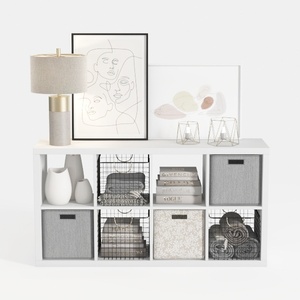
Modern Minimalist White Fabric Metal Storage Cabinet Console Table 3D Model

cabinet-Cool-colored space

Minimalist Clear Acrylic Rectangular Coffee Table 3D Model
Homestyler is an easy-to-use online home design platform that offers powerful 3D rendering, a vast collection of interior projects, and helpful DIY video tutorials—ideal for turning your design ideas into reality with confidence and creativity.
Zaprojektuj teraz za darmo
































