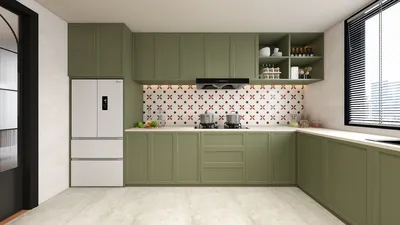


Common Mid-Century Modern Decorating Issues and How to Solve Them
Frequent errors in mid-century modern decor stem from overcrowding spaces, choosing inappropriate color schemes, blending incompatible furniture eras, and neglecting the use of natural materials and proper lighting. Addressing these problems usually involves streamlining room layouts, selecting authentic color palettes, and reestablishing harmony among functionality, space, and organic textures fundamental to mid-century design.
Essential Takeaways
Overview
Mistakes in mid-century modern styling are surprisingly prevalent, even in settings with iconic furniture. After over ten years in residential design, I've observed that rooms that "feel off" rarely lack costly pieces—they generally lack harmony.
Clients often express that their mid-century modern interiors appear cluttered, lifeless, or oddly mismatched. The root issue usually isn't the furniture itself but rather spatial arrangement, color interactions, or the way modern elements mix with unrelated styles.
Before redesigning, I analyze the room's layout and flow. Visualizing improved arrangements often clarifies the problem. Using a visual room planner, like Homestyler, allows experimenting with furniture placement before physically moving items. Viewing the room from an overhead perspective frequently explains why the space feels unsettled.
Below, you'll find typical mid-century styling challenges and effective solutions that consistently restore balance.
Avoiding Overcrowding in Mid-Century Modern Spaces
Insight: Mid-century modern design values negative space; overfilling a room quickly disrupts this balance.
A common misconception is that packing a room with iconic mid-century pieces instantly creates the desired style. However, designers from the 1950s prioritized visual breathing room. Furniture was intended to complement architecture, not compete with it.
Charles and Ray Eames emphasized clarity and utility over excessive ornamentation. Overfilling a space causes clean lines and shapes to get lost.
Issues caused by overcrowding often include excessive furniture and cluttered focal points.
A better approach is to establish a clear furniture hierarchy:
In numerous living room redesigns, removing a couple of pieces improved the space far more than adding new items.
Selecting Appropriate Color Palettes
Insight: Mid-century modern palettes feature bold yet controlled colors, so random trendy shades often disrupt cohesion.
Many mistakenly associate mid-century design with an abundance of retro colors. In truth, original interiors used structured and disciplined color schemes.
Common palettes include muted earth tones balanced with selected bright accents.
Problems arise when multiple bright colors compete within the same area.
A dependable color ratio I apply includes:
This balance reflects how mid-century spaces integrate architecture and color without overwhelming viewers.
Combining Different Furniture Eras Harmoniously
Insight: While style blending is possible, mixing too many furniture periods weakens mid-century identity.
A subtle but prevalent issue is "style drift," where homes begin mid-century but gradually accumulate farmhouse, industrial, or ultra-modern furnishings.
Common mismatched combinations I encounter include:
Individually, these pieces may not be problematic, but collectively they dilute architectural clarity vital to mid-century design.
For variety, mix styles within compatible families:
These styles share similar proportions, materials, and restrained details.
If uncertain about furniture compatibility, using digital layout tools such as Homestyler to simulate arrangements before purchase can help avoid mistakes.
The Importance of Lighting and Natural Materials
Insight: Mid-century design considers lighting and organic materials structural, not mere decoration.
Even with perfect furnishings, poor lighting can leave a room feeling flat.
Typically, mid-century homes layer these three lighting types:
Natural materials also play an essential role; designers balanced manufactured components with organic textures intentionally.
Frequent material pairings include wood, leather, and stone.
Absence of these elements can make spaces feel sterile or too modern.
Simple Steps to Regain Mid-Century Balance
Insight: Many decor challenges can be resolved through layout adjustments and material tweaks rather than costly replacement.
In my experience, fixing spatial arrangements resolves about 70% of styling problems.
Try these practical strategies:
Visualizing the entire room beforehand helps; platforms like Homestyler allow experimenting with comprehensive redesigns so you can observe the interplay of scale and materials.
Many homeowners find that their existing furniture works well once better balanced.
Conclusion
Most mid-century modern decorating errors occur when fundamental principles of spatial organization, color harmony, and material balance are neglected. Simplifying room flow, choosing genuine color palettes, and emphasizing natural elements typically restore the style's signature clean and harmonious look.
FAQs
Why does my mid-century modern space feel unbalanced?
Common causes include overcrowding, unsuitable colors, and mixing incompatible furniture styles.
Can mid-century modern design incorporate other styles?
Yes, but the combination should be deliberate. Scandinavian and Japanese modern styles complement mid-century design well.
Which colors are ideal for mid-century interiors?
Classic hues include muted olive, mustard yellow, teal, and warm wooden tones.
How can I refresh mid-century decor without buying new pieces?
Rearranging layouts, decluttering, enhancing layered lighting, and introducing natural materials are effective methods.
Are bright colors mandatory in mid-century design?
No, authentic designs often feature neutral backgrounds accented with strategic bold colors.
What flooring suits mid-century homes best?
Wood floors, terrazzo tiles, or polished concrete blend seamlessly with mid-century aesthetics.
Is minimalism a characteristic of mid-century modern?
Yes, this style emphasizes simplicity, open spaces, and functional furniture.
How do professionals plan mid-century layouts?
They prioritize clear traffic flow, balanced furniture placement, and maintaining negative space.


Homestyler is an easy-to-use online home design platform offering powerful 3D rendering, a vast collection of interior projects, and helpful DIY video tutorials. It’s perfect for bringing your design ideas to life and exploring stylish layouts effortlessly.
今すぐ无料でデザイン
































