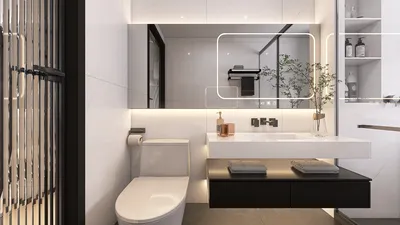


Direct Answer
Common issues encountered when replacing floor tiles include uneven surfaces, hollow or loose tiles, cracking, inadequate adhesive coverage, and grout deterioration. Typically, these problems stem from improper subfloor preparation, incorrect adhesive application, or hurried installation. Fortunately, many of these complications can be remedied without removing the entire flooring.
Quick Takeaways
Introduction
With over ten years of experience in residential remodeling, I can confirm that tile replacement seems straightforward online but often reveals every minor flaw once the adhesive sets.
Clients frequently reach out after noticing uneven tiles, hollow noises, or cracking soon after installation. These common symptoms usually originate from overlooked or rushed installation steps.
If you’re planning your project, visualizing the tile layout and spacing beforehand is key to avoiding these issues. Software solutions like Homestyler allow you to design and preview your flooring plans, helping you identify alignment or spacing errors before beginning your renovation.
This guide breaks down the usual problems following tile replacement, explores why they occur, and provides practical solutions to fix them without dismantling the entire floor.
Why Newly Installed Floor Tiles Become Uneven
Key Insight: Unevenness in tiles often arises because the subfloor isn’t perfectly level or the thickness of the adhesive varies excessively.
Even minor differences in mortar height can cause 'lippage,' where an edge of one tile stands above its neighbor. This is especially common in DIY projects where adhesive application is inconsistent or leveling systems are omitted.
Three common causes:
How to fix uneven tiles after installation:
According to industry standards, tile substrates should not exceed a variation of 1/8 inch within a 10-foot span. Any deviation beyond this almost certainly results in uneven tiles.
How to Fix Loose or Hollow Sounding Tiles
Key Insight: A hollow sound when tapping tiles usually indicates adhesive failure between tile and substrate.
If tiles produce a hollow noise, it’s often due to air gaps underneath them, which may cause loosening or popping with time and foot traffic.
This explains why tiles sometimes pop up shortly after installation.
Typical causes include:
Repair process:
For tiles larger than 12 inches, installers generally apply adhesive to both the floor and back of the tile (back-buttering) to ensure complete bonding.
What Causes Tile Cracking After Installation
Key Insight: Cracks in tiles post-installation usually result from movement or flexing of the underlying floor structure.
While tiles are durable, their brittleness makes them susceptible to cracking if the substrate shifts even slightly.
Common structural causes:
This scenario frequently explains why new tiles develop cracks.
When redesigning room layouts or modifying structural supports, leveraging 3D floor planning tools like Homestyler can assist in visualizing room proportions and floor load distribution before beginning tile installation.
Answer Box
Most floor tile failures arise from subfloor irregularities, insufficient adhesive coverage, or inadequate curing. Addressing these base issues and only replacing affected tiles usually resolves the problem efficiently.
How to Correct Poor Adhesive Coverage
Key Insight: Early tile failures are often linked to mortar coverage falling below recommended levels.
Per industry standards, indoor floor tiles should have at least 80% mortar adhesion, and wet areas require 95%.
I frequently observe failed floors with large dry spots beneath tiles where adhesive never bonded properly.
Correct installation technique involves:
This inspection step is crucial for preventing most tile adhesive failures.
Fixing Grout Problems After Tile Replacement
Key Insight: Cracked grout usually indicates tile movement rather than a grout material failure.
Many assume the grout mix is faulty, but cracks often appear because the tiles underneath shift slightly.
Common grout issues after tile replacement include:
Repair steps:
Preventing Future Tile Replacement Issues
Key Insight: Most tile failures can be attributed to errors made before tile placement begins.
The most frequent mistake is skipping thorough surface preparation. Experienced installers often devote more time to floor prep than to laying tiles.
Prevention checklist:
If planning multiple rooms or comprehensive flooring projects, using realistic room rendering software such as Homestyler helps clarify spacing, transitions, and material selection prior to installation.
Final Summary
FAQ
Why do floor tiles pop up after installation?
Tiles often lift due to poor adhesive coverage or trapped air pockets beneath the tile surface.
Can uneven floor tiles be fixed without removing them?
Minor lippage can sometimes be corrected by grinding, but significant height differences generally require tile removal and reinstalling.
What causes newly installed tile cracking?
Cracking is typically due to subfloor movement, missing expansion joints, or structural shifts beneath the tiles.
How to fix loose floor tiles yourself?
Remove the tile, clean off old adhesive, apply fresh mortar, and reinstall ensuring full contact and adhesive coverage.
How long does tile adhesive need to cure before walking on it?
Most thinset adhesives require a minimum curing time of 24 hours before light foot traffic is allowed.
Is a hollow tile always a concern?
Small hollow spots may temporarily hold but increase the risk of cracking over time.
Why does grout crack following tile replacement?
Grout cracks usually happen because tiles beneath it experience slight movement due to weak bonding or floor shifts.
How to prevent tile adhesive failures?
Use the correct notched trowel size, back-butter large tiles, and firmly press tiles to remove air pockets and ensure proper bonding.
Modern Minimalist Metal Dark Top Console Table 3D Model
Modern Minimalist Leather Loveseat Sofa with Metal Legs 3D Model

Homestyler offers an easy-to-use online home design tool with stunning 3D renderings, inspiring design projects, and helpful DIY video tutorials—perfect for anyone looking to create and visualize their dream space effortlessly.
立即免费设计
































