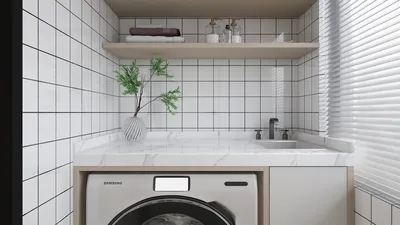


Common Decor Pitfalls in New Construction Homes
Many new construction homes feature vast open spaces that, if treated like traditional rooms, can lead to typical design errors. These include selecting furniture that is too large, neglecting proper lighting design, and using colors that clash with the surrounding environment. Such issues often make these homes feel incomplete or awkward. Solutions frequently involve adjusting furniture scale, enhancing lighting arrangements, and creating distinct zones within open floor plans using tools like Homestyler.
Key Takeaways
Understanding Interior Design Challenges in Newly Built Homes
It's common for owners of brand-new homes to notice something feels "off" despite everything being new. This usually arises because new builds are designed with flexible open layouts, yet they are decorated as if the space is divided into separate traditional rooms. This results in disproportionate furniture size, spaces feeling empty even when furnished, and lighting that doesn't adapt well throughout the day.
A crucial step I advise is to visualize the entire floor plan digitally before making significant furniture purchases. Platforms like Homestyler allow homeowners to walk through 3D interactive floor plans, helping detect spacing and flow problems early on.
In this article, I’ll explore typical interior mistakes in new construction homes, why they occur, and effective strategies to overcome them based on hands-on experience.
Why Decorating New Construction Homes Is Unique
With their emphasis on open, flexible layouts, new construction homes eliminate natural boundaries such as hallways and walls. While architecturally appealing, this removes traditional cues that help place furniture, making purposeful zoning essential to provide comfort and function.
According to the National Association of Home Builders, open floor plans are among the top requested features in newly built homes, driving the need for creative spatial divisions. In practice, I segment open areas into layers—such as primary living zones, transitional spaces, and functional subzones—to simplify decorating decisions, a process easily supported by using Homestyler’s zoning tools.
Design Mistake: Selecting Oversized Furniture
Choosing excessively large furniture to fill expansive open spaces is a common error. Bigger isn't always better; such pieces can block natural circulation paths and disrupt flow.
Indicators that furniture is oversized include cramped walkways and imbalance in the room’s visual weight. Instead, designers rely on spacing principles such as maintaining clearance distances and using proportional groupings.
If uncertain, leveraging room layout planners like those found in Homestyler can provide a virtual sandbox to test furniture arrangements without costly mistakes.
Design Mistake: Overlooking Natural Lighting Variations
Light’s direction changes throughout the day, influencing how colors appear and where furniture should be positioned, but this is often ignored.
Typical lighting issues include glare near windows, dark corners, or color shifts causing rooms to feel colder or warmer inaccurately.
Designers recommend employing at least three light sources per zone—including ambient, task, and accent lighting—to balance illumination effectively. Tools like Homestyler can simulate lighting effects during design stages to optimize arrangements.
Design Mistake: Choosing Colors Disconnected from the Exterior
Interiors often fail when color schemes don’t harmonize with the home’s outdoor surroundings. For homes in nature-rich or community-centric developments, this lack of cohesion reduces interior calmness and aesthetic appeal.
Integrating colors inspired by the local landscape—earthy tones, warm neutrals, or natural greens—creates a seamless transition from exterior to interior, as regularly seen in places similar to Babcock Ranch.
Creating Balanced Interiors Quickly
Small layout changes can improve a home’s feel more than purchasing new items. Moving furniture to create zones, layering different light sources, and incorporating rugs to define space are practical fixes widely recommended.
Visualization platforms like Homestyler empower homeowners to experiment with these changes before physically rearranging anything.
Effective Decor Approaches in Eco-Conscious Neighborhoods
In environmentally oriented communities, layering natural textures, using lighter materials, and embracing flexible open designs foster comfort and style.
Contrary to the notion that modern homes require ultra-minimalist interiors, adding natural layers and tactile elements helps spaces feel warm and lived-in.
Summary of Key Decor Issues and Solutions
Typical problems in new construction homes include oversized furniture, insufficient lighting plans, and color palettes that ignore external environments. The best remedies focus on intelligent space zoning, layered illumination, and color harmony instead of major overhauls.
FAQs
What are common decor mistakes in new builds?
Some of the most frequent errors include picking overly large furniture, neglecting lighting balance, and failing to establish functional zones within open floor plans.
How can open floor plans be decorated effectively?
Use area rugs, grouped furniture, and layered lighting to create dedicated zones instead of just filling space with big pieces.
Why do some new homes feel empty despite furniture?
Open layouts lack traditional walls, so furniture alone doesn’t define space well. Adding visual anchors like rugs and lighting helps create cozy zones.
Which color schemes work best in modern new homes?
Neutral and earthy palettes that draw inspiration from the surrounding outdoors enhance cohesiveness.
How to fix decor issues without replacing furniture?
Rearranging existing items, introducing layered lighting, and defining zones with rugs or consoles often revitalizes interiors.
Do open layouts require bigger furniture?
Usually no—medium-scaled furniture combined with thoughtful spacing works better than oversized items.
What lighting should be used in new builds?
A combination of ceiling fixtures, floor lamps, and wall lights ensures even illumination throughout the day.
Are decorating mistakes expensive to fix?
Often not—most challenges stem from layout and lighting choices rather than costly renovations.
References
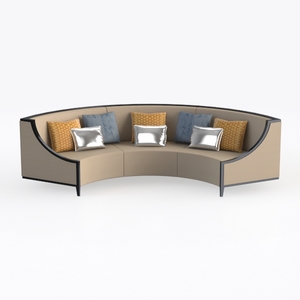
Modern Fabric Curved Sectional Sofa With Decorative Throw Pillows 3D Model
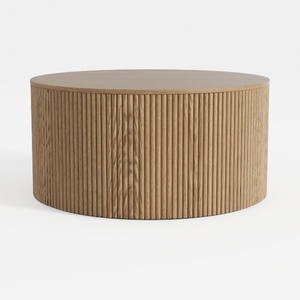
Minimalist Fluted Solid Oak Round Coffee Table 3D Model
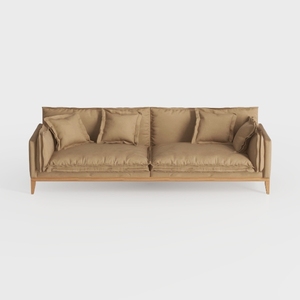

Minimalist Fabric Solid Wood 3 Seat Sofa With Throw Pillows 3D Model
Homestyler is an easy-to-use online platform that helps you design your home with stunning 3D renderings, diverse interior projects, and helpful DIY video tutorials. It's perfect for turning your design ideas into reality effortlessly.
Design jetzt kostenlos
































