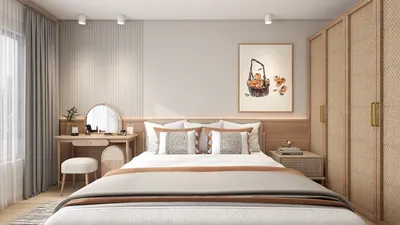


Having designed and refreshed innumerable living rooms, I can attest that the most impactful element is undoubtedly color. The extensive palette offered by Dulux facilitates the crafting of mood, visual flow, and an overall sense of harmony—provided that the chosen shades are in sync with lighting, textures, and the intended use of the space. Color should never stand alone; it interacts with light intensity, surface reflectivity, acoustic properties, and daily activities.
The effects of color choices are quantifiable. As per the WELL Building Standard v2, ideal ambient lighting levels for living spaces typically range from 100 to 300 lux, increasing to 300 to 500 lux for reading corners—this is essential for assessing how paints from Dulux will truly appear under varying light conditions. In terms of psychology, Verywell Mind outlines that warmer tones often evoke feelings of energy and comfort, whereas cooler tones foster calmness and concentration. These insights guide my approach to harmonizing Dulux color schemes with atmosphere and functionality.
Warm Neutrals for Everyday Comfort
Warm neutrals serve as the foundation for many living rooms designed with Dulux paints, as they soften sharp corners and unify diverse materials. Shades such as creamy whites, light taupes, and oatmeal maintain a balanced light without excessive glare, particularly when combined with matte finishes that diminish direct reflection. In settings with evening lamps and warm-white bulbs (2700–3000K), these palettes convey warmth and coziness. I prefer to add deeper accent elements—like cognac leather and walnut shelving—to create visual contrast that leads the eye without causing fatigue.
Cool, Airy Palettes for Calm
When the aim is tranquility, cooler color schemes—such as gentle blues, soft sages, or pale greys—can decrease tension and promote relaxation after a hectic day. These shades remain clear under natural light; at night, 3000–3500K lighting preserves their fidelity (with a recommended CRI of 90 or higher). A satin finish provides just enough light reflection for smaller spaces, ensuring the room doesn’t appear flat. Pairing cool walls with warm textures—like linen, wool throws, and light oak—prevents a sterile feel.
Modern Contrast: Charcoal and Soft White
For contemporary living areas, a high-contrast scheme using Dulux shades with a charcoal feature wall and soft white surroundings creates sharp outlines and a serene gallery-like ambiance. I limit the dark wall to covering only 1/4 to 1/3 of the room’s perimeter to avert a cramped sensation. Opt for streamlined furniture that remains inviting, using tactile materials such as bouclé, brushed metal, or honed stone to avoid a harsh atmosphere. Considerable dimmable lighting can help transform the feel from social gatherings to intimate movie nights.
Earthy Greens and Natural Browns
Nature-inspired palettes foster restorative environments with a biophilic approach. The muted greens available in Dulux, combined with clay or brown accents, bridge the gap between indoor comfort and outdoor inspirations, promoting a more relaxed pace in daily life. Place deeper green tones on walls opposite windows to prevent excessive shading. A semi-matte finish enhances the depth of greens while being practical for family spaces, as it resists fingerprints.
Elegant Pastels with Warm Metals
Soft blush, dusty lavender, and pale peach can gently uplift a living room's vibe without becoming overly sweet. These tones harmonize beautifully with brushed brass or aged bronze—metals that introduce warmth without harsh reflections. With pastel palettes, attention to daylight variability is crucial; colors can fade if the room has large south-facing windows. Layering with textured rugs and medium-toned wood maintains a sense of presence throughout the afternoon.
Color-Zoning for Multi-Use Living Rooms
In open-plan living areas, color zoning can influence behavior effectively. Utilize a slightly deeper Dulux shade in the television or reading nook, while keeping thoroughfares in lighter neutrals. It's key to maintain a consistent temperature (warm or cool) across these zones for coherence. When reassessing furniture arrangements or circulation patterns, using a room layout tool can demonstrate how color boundaries align with seating arrangements and audio flow.
Accent Walls and Proportion Control
Accent walls can ground a room, but proper proportion is more vital than current trends. I suggest positioning accent walls in prominent sightlines—like behind the main sofa or next to the television—where the eye naturally falls. Opt for a Dulux shade that is two to three shades darker than the adjacent walls to create a subtle focal point without overwhelming the design. The shape and mass of furniture must complement the accent color: broader pieces can stabilize bolder hues, while lighter furnishings match mid-tone accents better.
Light Temperature and Color Fidelity
The success of color application is closely tied to lighting. Warm neutrals perform best under 2700–3000K light sources; cooler palettes benefit from 3000–3500K to retain their clarity without coming across as overly sterile. According to the Illuminating Engineering Society (IES), mitigating glare involves managing luminance contrasts and shielding bright sources within view; indirect diffuse lighting can soften transitions for mid-tone Dulux walls. For reading spaces, target a range of 300–500 lux, reinforcing the WELL v2 guidance mentioned earlier.
Finish Selection: Matte, Satin, and Washability
The choice of finish significantly influences perception and maintenance. Matte finishes reduce reflection, making them ideal for darker hues and television walls, as they help limit glare. Satin finishes, on the other hand, offer durability and a subtle enhancement for lighter palettes in high-activity spaces. For households with children or pets, it's wise to invest in washable finishes and to tailor wall junctions with rounded corners to minimize visible marks; the ergonomics of daily use are just as critical as the colors chosen.
Color Psychology in Social Living Rooms
For spaces meant for entertaining, warm color schemes enriched with subtle red or orange undertones can stimulate conversation and energy. Cooler tones are suitable for more reflective evenings or reading-focused environments. Verywell Mind’s color association insights support this: warmer tones foster coziness and vibrancy, while cooler ones exude calmness and order. It's important to keep saturation levels moderate—highly saturated walls can cause eye fatigue over time; instead, leverage boldness through art and textiles.
Acoustic and Material Pairings
While color establishes the ambience, acoustic comfort rounds out the experience. Deeper tones on walls pair well with soft, sound-absorbing materials—like plush rugs, upholstered chairs, and fabric wall panels—to decrease reverberation. In harder-surfaced living rooms featuring timber or tile, adding color through thick curtains and textured throws warms the palette and diminishes noise, allowing for longer and more enjoyable stays.
Sustainable Choices and Long-Term Flexibility
When devising Dulux schemes, I lean towards classic mid-tones that easily adapt to changes—simple updates like swapping cushions or artwork can shift the mood without needing a complete paint job. Prioritizing low-VOC paints, durable finishes, and responsibly sourced woods minimizes environmental impact while maintaining an elegant appearance.
Testing Palettes in Real Light
Always conduct sampling. Paint swatches in A4 size should be placed on two walls and observed throughout the day—from morning light to evening glow. Taking photographs on your phone under diverse exposures can highlight shifts that may not be perceived with the naked eye. If reorganizing space, trial colors alongside furniture, window treatments, and lamp placements, utilizing an interior layout planner to ensure the palette flows with your everyday use.
FAQ
Ensure to match undertones to the lighting conditions. Warm neutrals align with 2700–3000K evening lighting; cooler shades maintain clarity in 3000–3500K. Strive for ambient levels around 100–300 lux, and reading zones at 300–500 lux per WELL v2 standards.
Not inherently so. Incorporate a singular dark accent wall while keeping adjacent walls lighter. Utilizing matte finishes helps prevent glare, and reflective decor like mirrors and light metals fosters openness.
Matte or ultra-matte finishes minimize glare and preserve contrast, particularly with deeper Dulux hues like charcoal or forest green.
Identify the leading undertone of key pieces (warm or cool). Select wall colors that mirror the undertone while varying in depth. Integrate one accent in the opposite temperature to provide balanced contrast.
While color itself does not absorb sound, pairing deeper hues with soft, textured materials—such as rugs, curtains, and upholstered panels—enhances acoustic comfort without cluttering the visual space.
Test large paint samples on several walls, viewing them throughout the day. Inspect under your actual lighting and natural light; phone photographs expose subtle tonal variations.
Employ a lighter base color for circulation routes and a slightly deeper tone in seating or media areas. Maintain continuity by aligning undertones. Validate arrangement with a layout simulation tool.
Pastels are compatible with satin, washable finishes, and can showcase depth—layer rugs, knitted throws, and wooden elements to prevent the area from appearing washed out.
For clarity without the clinical feel, use 3000–3500K light temperatures. A high CRI (≥90) ensures Dulux colors appear true even at night.
Introduce warmth to the palette using natural materials—oak, wool, linen—and a few brass highlights. Infuse mid-tone artworks to sustain visual rhythm.
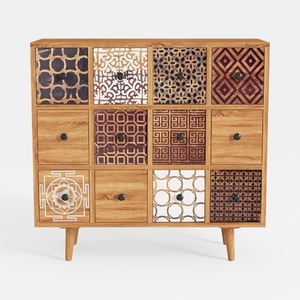
Bohemian Solid Wood Multidrawer Accent Cabinet With Patterned Fronts 3D Model

Rustic Solid Oak Round Coffee Table Unique Geometric Base 3D Model
Homestyler is your go-to online home design platform. With its user-friendly design tool, stunning 3D renderings, and a treasure trove of DIY video tutorials, you can effortlessly create and visualize your dream spaces, no design experience necessary!
立即免费设计
































