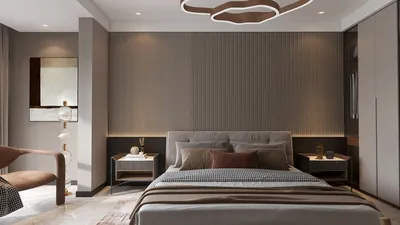


For over ten years, I have been refining the color palettes of living rooms to evoke feelings of tranquility, brightness, and comfort. Color serves a purpose beyond mere decoration; it significantly alters our perception of space, light, and mood. Insights from Verywell Mind highlight that cool shades, such as blue and green, help to lower heart rates and foster a sense of calm. In contrast, warm colors like yellow and orange can invigorate energy and promote social interaction. Research by Steelcase indicates that spaces designed with emotional well-being in mind enhance engagement, with color playing a vital role in this dynamic. Additionally, WELL v2’s Light concept emphasizes the necessity of balancing color with illuminance by minimizing glare and optimizing circadian lighting, which is essential when selecting paint finishes and accent colors. Using tools like Homestyler can greatly assist in visualizing these concepts in your interior design projects.
Soft Neutrals With Organic Warmth
Current modern living rooms favor muted taupes, soft greiges, and chalky beiges as their foundational colors. These shades are easily paired with natural elements like wood, linen, and textured wool. The secret lies in integrating warm undertones that counterbalance the cooler light from north-facing windows. WELL v2’s guidelines reinforce the importance of visual comfort and glare control, suggesting that matte or eggshell finishes can help diffuse light, preventing neutrals from appearing washed out under brighter conditions. I often recommend aiming for an ambient light temperature between 2700–3000K to maintain the warmth of these neutrals while ensuring relaxation in the evenings.
Earthy Greens and Restorative Blues
The trend of incorporating green is on the rise, with shades ranging from olive and sage to eucalyptus. According to the color psychology overview by Verywell Mind, green symbolizes balance and renewal—perfect for spaces intended for relaxation. Complementary mid-tone blues, such as slate, denim, or stormy sky, introduce calm without feeling chilly. When combining these hues, I ensure that their saturation levels are compatible to create visual harmony, enhancing the space further with natural textures like rattan, oak, or jute to soften any overly formal aesthetic.
Complex Browns and Caramel Accents
Warm shades like caramel, cognac, and tobacco browns exude sophistication. These tones harmonize beautifully with brushed brass and travertine, tapping into the nostalgic trends of the 1970s. I typically incorporate these colors as accent walls or built-ins while balancing them with off-white ceilings to maintain a sense of brightness. In spaces with lower light, I recommend employing semi-matte finishes for brown surfaces to avoid excessive light absorption.
Powdery Pastels, Not Babyish
Soft pastels like powder rose, gentle periwinkle, and misty peach are making waves, especially with grey undertones. The key to effective use is moderation: apply pastel color to the largest wall and complement it with darker trim, walnut furnishings, or charcoal textiles. Pastels shine brightest in areas drenched in natural light; under cool LED lights they might appear sterile, so I prefer using lamps within the 3000–3500K range to ensure a warm glow.
Blackened Charcoal and Inky Depth
Deep charcoal remains a favorite choice among designers for adding drama to living rooms. It frames artwork beautifully, minimizes visual clutter, and instantly uplifts sophistication levels. In smaller spaces, I prefer to apply deep hues to one wall or built-in features. Careful contrast management is essential: a singular dark wall paired with light floors and mid-tone upholstery can create an inviting atmosphere without feeling oppressive. I specify high-CRI lighting to ensure color fidelity on these darker surfaces.
High-Contrast Monochrome, Softer Than Before
The classic black-and-white palette is evolving into a softer monochrome, characterized by shades like bone, ivory, and graphite combined with textured finishes. The key to this palette is consistency: repeating darker elements across frames, lamps, and textiles avoids a disjointed appearance. Maintaining uniform sheen levels—matte walls paired with satin trims—ensures cohesion and effectively manages highlights.
Spice Tones and Sun-Baked Reds
Lovely spice shades like terracotta, paprika, and rust provide warmth without the overwhelming intensity of pure red. These tones pair wonderfully with travertine and cane textures, creating spaces that are both lively and grounded. To prevent these colors from dominating, I recommend applying them to lower sections such as base cabinetry or paneled wainscoting while keeping the upper walls neutral to maximize natural light.
Metallics: Brushed, Not Mirror
Accents in gold and champagne continue to be highly sought after, with a shift towards brushed, satin, or patinated finishes over polished ones. This approach reduces glare and harsh reflections, promoting visual comfort in line with WELL's guidelines on glare reduction. I advocate using metallics as accents—think picture lights, side tables, or hardware—rather than as primary reflective surfaces.
Colour Zoning for Function
I frequently create subtle zones with color: darker shades behind seating arrangements for intimacy, lighter shades near windows to enhance daylight, and specific tones for display areas. When adjusting seating layouts or media walls, utilizing a room layout tool can help in visualizing the space's flow and sightlines before finalizing paint choices.
Light, Sheen, and Perception
Choosing a color is inherently tied to lighting. IES illuminance recommendations for residential living areas typically sit within a comfortable range for ambient lighting, while task areas may require higher levels. In practice, I combine various lighting types—ambient (2700–3000K), task (3000–3500K), and accent (2700K)—to guarantee consistent color rendering. Matte paint minimizes glare, while eggshell variations bounce light gently, and satin can highlight architectural features, albeit with caution near windows. Sampling colors at different times of the day helps judge shifts in temperature and light.
Balancing Saturation, Texture, and Pattern
When working with a saturated color palette, ensure that textures are authentic and tactile—like bouclé, slub linen, or wool—to help diffuse intensity. The scale of patterns is crucial: larger motifs can calm more vibrant color arrangements, while smaller patterns might create a sense of restlessness in petite rooms. I advocate for a distribution rule of 60/30/10: 60% for the base color, 30% for a secondary hue, and 10% for accents, adding black or metallics to ground the overall design.
2024–2025 Living Room Trends I’m Seeing
- Palettes inspired by nature: leaf greens, river blues, dune beiges.
- Subtle pastels enriched with grey tones.
- Warm metal finishes and patinated surfaces.
- Earthy spice colors paired with light stone textures.
- Charcoal frames used for art and television displays.
- Texture-rich neutrals such as limewash, mineral paints, and woven coverings.
Practical Steps to Choose Your Palette
Begin by selecting colors for the largest surfaces—walls, rugs, and sofas—letting smaller decorative items follow suit. Limit your choices to three swatches for each wall, applying sample rectangles at eye level for assessment under different lighting scenarios. If you plan to rearrange seating or walkways before finalizing colors, consider using an interior layout planner like Homestyler, which assists in visualizing movement and gathering patterns to ensure the paint scheme aligns with your design intentions.
FAQ
Achieve a balance of contrast throughout the space: couple dark walls with light flooring and mid-tone upholstery, incorporate high-CRI accent lighting, and distribute darker notes across frames and lamps to evenly distribute visual weight.
Aim for an ambient warmth of 2700–3000K for general lighting, 3000–3500K for task areas, and 2700K for accent lights—this aligns with human comfort levels and reinforces the visual goals outlined in WELL v2 Light guidance.
Select warm neutrals like taupe and beige with yellow/red undertones, accompanied by caramel hues and warm metallics. Steer clear of cooler greys which can appear flat in blue-toned daylight.
Indeed—opt for softened shades such as sage and washed terracotta, maintaining mid-saturation for cohesion. Grounding these colors with natural wood elements and textured textiles enhances the overall aesthetic.
Paint at least 12x12 inch swatches at eye level on two adjacent walls, evaluating the colors at morning, noon, and evening under your regular lamps. This allows for an accurate assessment of both color and sheen in terms of glare management.
Eggshell finishes offer a balance between easy maintenance and glare reduction. Use matte finishes on larger, bright walls to avoid hot spots; reserve satin for trims and built-ins to accentuate their profiles.
Adhere to a 60/30/10 distribution rule: with one base hue, one supporting hue, and one accent. Incorporate neutral tones through texture rather than additional hues to prevent visual clutter.
They certainly do, particularly powdery shades offset by consistent black frames or lamps. Maintaining black accents throughout avoids isolated 'heavy' spots.
While color doesn't absorb sound, the use of textured materials along with colors—such as wool rugs or upholstered panels—enhances acoustic comfort. Choose hues that complement the calming ambiance created by these materials.
Ensemble choices of calming blues and greens are rooted in color psychology, while warm neutrals foster social interactions. Combining these colors with appropriate lighting and ergonomic seating strengthens relaxation and comfort.
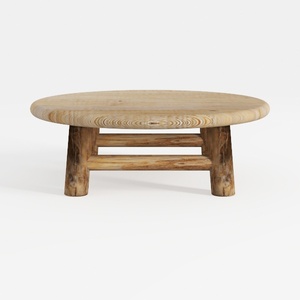

Rustic Solid Wood Round Coffee Table 3D Model
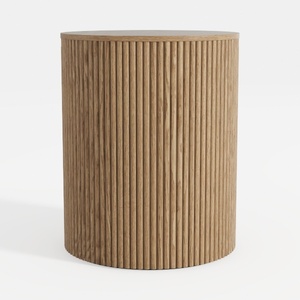
Minimalist Fluted Oak Round Side Table 3D Model

Japanese Floor TableSmall Coffee Table & Tea Table
Homestyler is the ultimate online tool for anyone looking to enhance their home design experience. With its user-friendly interface, impressive 3D rendering features, diverse design projects, and informative DIY video tutorials, you can effortlessly create and visualize stunning interiors. Dive into your design journey with Homestyler today!
Concevez maintenant gratuitement
































