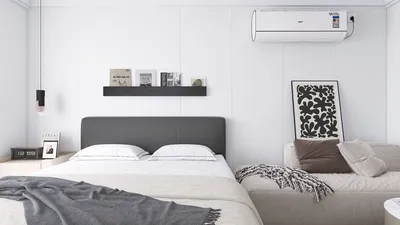


I view living rooms as the heart of a home, serving as both a sanctuary and a gathering spot. Therefore, the selection of colors should go beyond mere aesthetics to delineate behavior zones, enhance perceived natural light, and foster varied moods throughout the day and night. In designs focused on performance, color collaborates seamlessly with light, sound absorption, and materials for optimal effects.
Color choices can significantly affect the duration of visits and overall comfort levels of occupants. Research conducted by Steelcase highlights that environments which provide both social and concentration-oriented cues can boost user satisfaction, aligning with the application of calming colors in areas designated for focus and warmer, vibrant hues in sociable spaces. Additionally, the WELL Building Standard emphasizes the critical role of glare management and evenly distributed light levels for visual comfort; the chosen colors and finish sheens have a profound impact on reflectivity and glare. I carefully select paint finishes with mid-sheen walls and matte ceilings to minimize hot spots under 3000–3500K LED lights, following IES recommendations for enhancing comfortable home environments. Regarding color temperature's psychological impact, Verywell Mind details how calming blues and greens contrast with the energizing reds and oranges, providing valuable insights for defining living room areas without erecting barriers.
As I organize furniture arrangements and pathways, I evaluate how colors define and anchor each space prior to finalizing paint selections. Creating a quick mockup using a room layout tool allows me to assess sightlines and how artwork interacts with natural and artificial light sources. In my designs, I monitor lighting levels on seating areas and media walls to ensure reading areas maintain illumination around 300–500 lux while reducing glare on screens, knowing that well-lit, warmly accented corners naturally invite conversation.
Color Approaches Tailored by Living Room Type
Not every living room requires the same hues or saturation levels. I adapt Nippon Paint color schemes to suit their primary functions:
- Color Scheme: Warm, muted tones such as terracotta and beige coupled with cool gray accents enhance energy and complement skin tones during social interactions.
- Lighting: Utilize 3000–3200K LED lights with dimmer options; wall washers can create an appealing gradient effect.
- Finish: Aim for low to eggshell sheen on walls to reduce reflection, accented by a matte ceiling to control glare.
- Material Pairings: Incorporating oak, walnut, boucles, and textured fabrics adds warmth and enhances acoustic properties.
- Color Selection: Soft, faded greens and blue-greys induce a calming effect, while a singular warm accent retains a welcoming ambiance. These balanced palettes help minimize sensory overload for children.
- Lighting: A layered approach—combine floor lamps for reading, ceiling ambient lighting set to 3500K for tasks, and warm table lamps for evening relaxation.
- Finish: Utilize durable, easy-to-clean paints on walls to withstand wear without creating glaring surfaces.
- Color Choice: Deep charcoal or olive for media walls to mitigate screen glare; neighboring walls in mid-tone neutrals to avoid dimming the space.
- Lighting: Opt for low-glare sources with dim-to-warm capabilities (1800–3000K) for optimal movie-watching.
- Finish: Select matte or low-sheen finishes for screens walls, steering clear of high gloss that may exaggerate reflections.
Understanding Daylight, Orientation, and Light Reflectance
Color is influenced by illumination. Rooms with north-facing aspects inherently feel cooler; I counter this with warm neutrals and softened off-whites to avoid a dull appearance. In south-facing rooms, cooler neutrals can thrive vibrantly. East-facing spaces benefit from blush or warm grays during morning hours, while west-facing rooms shine with fresh greens and blue-greys in the evening. My approach to Light Reflectance Value (LRV) is straightforward: employ high-LRV (70–85) for ceilings and upper walls to maximize light distribution; mid-LRV (40–60) where visual stability around screens is desirable; and low-LRV (10–25) for accent niches or media backdrops.
Five Unified Nippon Paint Palette Strategies
These adaptable strategies complement various furniture aesthetics while maintaining visual cohesion:
- Walls: Soft gray-blue with green undertones for tranquility.
- Accent: Faded sage on a bookshelf or niche for added depth.
- Trim/Ceiling: Sharp off-white to enhance clarity.
- Pair With: Brushed nickel, bleached oak, and boucle upholstery for added texture.
- Walls: Beige tones with hints of peach for warmth.
- Accent: Clay terracotta behind seating to establish a conversational anchor.
- Trim: Soft taupe to avoid stark contrasts.
- Pair With: Walnut, smoked glass, linen, and cognac leather for rich texture.
- Feature Wall: Use graphite or deep olive behind the media setup.
- Side Walls: Neutral greige to soften visual edges.
- Ceiling: A matte off-white to elevate the space's perceived volume.
- Pair With: Blackened steel, wool rugs, and textured drapes to assist with sound absorption.
- Walls: Light gray peppered with blue for superior daylight awareness.
- Accent: Soft or muted sage on cabinetry enhances visual charm.
- Trim: Clean white and low sheen for consistency.
- Pair With: Ash wood, boucle, and ceramic lighting complemented by warm lamps.
- Walls: Delicate mauve-beige or tea-rose neutrals for subtle warmth.
- Accent: Oxblood or merlot strategically placed for dramatic emphasis.
- Trim: Warm whites to provide an elegant finish.
- Pair With: Brass, velvety accents, and patterned woven throws for rich textures.
The Intersection of Color Psychology and Behavioral Response
Our reactions to hue and saturation extend beyond simple visual appeal. Verywell Mind indicates that shades of blue and green can diminish perceived stress, while vibrant reds and oranges heighten stimulation—useful for subtly guiding space usage without overt signage. Colors with low saturation help reduce visual clutter in frequently occupied areas; however, splashes of vibrant color are most effective when used strategically as focal points rather than saturating entire rooms.
Seating Layout, Ergonomics, and Color Definition
Color serves to delineate functional micro zones. For instance, a reading nook painted in mid-tone green behind a high-backed chair effectively frames the space while providing visual contrast for relaxation. Conversation areas feel more cozy when they are accentuated with a warm-hued feature wall within close proximity to seating; this color engagement creates the illusion of reduced distance. For optimal space planning, I rely on room design visualization tools to establish comfortable seating arrangements (ensuring at least 30–36 inches for clear passage, and 16–18 inches aligning seat height to coffee table top).
Managing Light Temperature, Finish, and Glare
- Utilize 2700–3000K lighting during the evening for relaxation; 3000–3500K is ideal for productivity. Ensure that the correlated color temperature remains consistent across visible light fixtures to prevent any color distortion.
- Thoughtfully combine wall finish sheens: matte on ceilings, eggshell or satin on walls to facilitate easy cleaning without attracting too much attention to imperfections.
- Incorporate dimmer switches to create well-balanced, circadian-friendly evening settings; avoid positioning uplighting directly toward glossy finishes to maintain a pleasant ambiance.
Material Choices and Sustainability Considerations
Pair warm color schemes with renewable woods and low-VOC finishes for a more sustainable approach. Textiles comprising blends of wool and recycled materials enhance acoustic qualities as well as tactile comfort. Whenever feasible, favor durable and easily maintainable surfaces in high-traffic areas to prolong their lifespan and reduce overall environmental impact due to fewer repainting cycles.
Strategies for Small Spaces: Maximizing Perception of Space
- Opt for high-LRV walls and even higher-LRV ceilings to create an illusion of height.
- Paint trim slightly lighter than walls to soften edges and enhance sightline continuity.
- Maintain a singular hue throughout the space; introduce depth using texture rather than abrupt color transitions.
- Key mirror placement opposite windows can double natural light intake; however, balance this with mid-tone wall colors to mitigate glare issues.
Tips for Achieving a Flawless Finish
- Apply large test swatches (at least A3 size) on diverse walls; observe the changes throughout morning, afternoon, and evening lighting.
- Evaluate sheen types in your actual lighting conditions; glossier paints may appear to skew cooler in terms of color temperature.
- Use high-quality tape for precise cut lines; consider spraying ceilings for enhanced uniformity.
- Schedule painting tasks post major electrical updates and before introducing final soft furnishings to prevent contamination from dust and fibers on freshly painted areas.
Resource References
For further exploration of how workplace and environmental behaviors relate to living spaces, refer to the research conducted by Steelcase and the visual comfort standards outlined in the WELL Building Standard. Their principles concerning light quality, glare management, and behavioral adaptability provide valuable insights for residential space planning.
Frequently Asked Questions
Q1. How can I select a Nippon Paint color that avoids graying or yellowing under certain lighting?
A1. First, assess your room’s orientation: north light tends to cool hues; add warmth with tones like peach-beige or soft off-whites. Rooms with west-facing light may warm later; choose fresher greens or blue-greys for balance. Always test large swatches on various walls at different times of day under your actual lighting.
Q2. What sheens are recommended for living room spaces?
A2. Utilize a matte or flat sheen for ceilings to minimize glare; eggshell or satin finishes on walls ensure cleanliness without creating hotspots. Keep trims in a semi-matte finish to frame edges elegantly without reflection issues.
Q3. What colors can create a sense of spaciousness in a small living room?
A3. High-LRV off-whites, gentle greys, and soft greiges enhance volume perception. Paint ceilings a shade lighter than walls and select trim colors closely matched to the walls to minimize boundaries. Use a consistent hue around corners to elongate sightlines.
Q4. Which colors facilitate a social atmosphere?
A4. Warm, muted shades like terracotta, toffee beige, and soft cinnamon tend to enhance conversation dynamics and complement skin undertones. Balance these tones with neutral trims and controlled lighting set to 3000–3200K for effective ambiance.
Q5. How should I paint behind a television?
A5. Opt for deeper low-LRV colors such as charcoal, deep olive, or cocoa to minimize screen contrast and reflections. Use mid-tone paints on adjacent walls to prevent a cave-like ambience while maintaining comfortable peripheral visibility.
Q6. How does lighting temperature impact paint color perception?
A6. Lighting at 2700K emits a cozy warmth; while 3500K appears clearer and a bit cooler. The same paint can dramatically alter mood based on lighting; always test under evening lamps and varying daylight conditions.
Q7. Is it possible to mix bold colors without overwhelming the aesthetic?
A7. Limit high saturation to one feature area or 10–15% of overall wall space. Maintain a backdrop of desaturated or neutral colors. Repeat the accent hue through small decorations for consistency.
Q8. What is the best approach to zoning a living room with color?
A8. Use a mid-tone accent to delineate a conversation area and opt for calmer, low-saturation shades in reading or focus zones. Keep trim and ceiling colors consistent to enhance overall unity throughout the room.
Q9. How can I avoid glare on darker accent walls?
A9. Select low-sheen finishes, employ indirect or wall-wash lighting, and place light fixtures at angles relative to the wall. Avoid aiming bright spotlights directly at dark, smooth paint to reduce glare.
Q10. Which materials work well with warm color schemes?
A10. Opt for materials like walnut, oak, brass, boucle, and textured fabrics to enhance warm tones while promoting acoustic comfort. Limit the use of glass and polished stones to mitigate reflective glare.
Q11. Should I choose different colors if my living room also serves as a workspace?
A11. Maintain a tranquil base such as blue-grey or sage, introducing a warm accent near social areas. Use task lighting set at 3500K for work and dim it to 2700–3000K after hours to relax the atmosphere.
Q12. How many distinct paint colors can I use in a living room?
A12. Aim for two to three colors maximum: a dominant hue, one optional accent, and a consistent trim/ceiling color. Excessive hues can disrupt visual harmony.

Minimalist Boucle Fabric Tufted Sofa 3D Model
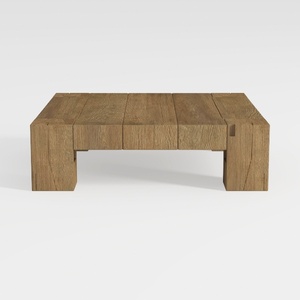
Rustic Solid Oak Wood Coffee Table Minimalist Living Room 3D Model


Rustic Solid Wood Geometric Octagonal Coffee Table 3D Model
Looking to elevate your home design experience? Homestyler is the ultimate online platform for you! With its user-friendly design tool, stunning 3D renderings, diverse design projects, and helpful video tutorials, you can effortlessly create and visualize your dream spaces today!
Zaprojektuj teraz za darmo
































