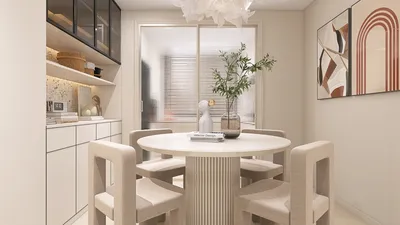


Compact homes gain significant advantages from thoughtful color selection that enhances light management, contrast, and psychological comfort. In my designs, an optimal color palette often transforms a modest space into one that feels open and unified. Color transcends mere aesthetics—it plays a pivotal role in behavior and perception. According to Steelcase research, environmental factors greatly influence comfort and productivity, with color being a vital element. The WELL v2 framework also highlights the importance of light quality and visual comfort in promoting occupant well-being, emphasizing the need for a cohesive approach to color and illumination in smaller areas.
Beyond merely looking good, the interaction of color with natural and artificial lighting affects how we perceive scale and clarity. The IES recommendations for residential spaces suggest that adequate illuminance and glare management are key to how we visualize boundaries. For instance, lighter walls with controlled reflectance ratios help soften harsh transitions, making spaces appear larger. The psychology of color is crucial as well—research from Verywell Mind illustrates that blues and greens evoke feelings of calm and restoration, which are especially beneficial in small areas prone to overstimulation. I incorporate these insights using dimmable, warm-white lighting (2700–3000K) to minimize glare while maintaining a welcoming ambiance.
Soft Neutrals That Expand the Space
Warm whites, soft greiges, and light taupes are my preferred choices for enhancing the perceived volume of a room. These shades reflect light beautifully without feeling clinical and provide a serene backdrop for textures. Ensuring that the trim and ceilings are slightly brighter than the walls (by about 5–10%) helps elevate sightlines and gives the illusion of higher ceilings. For north-facing spaces, selecting neutrals with a touch of warmth can counteract the cooler daylight, while bright south-facing rooms benefit from clean, neutral undertones to prevent yellowing.
Airy Pastels for Subtle Zoning
Soft blues, mint greens, and gentle blushes can add character without making walls feel closer. These colors can define micro-zones in studio apartments—designating areas for sleeping, working, and lounging—without the need for bulky partitions. Pastels are visually light, making them perfect for maintaining continuity in compact layouts. When designing functional areas or adjusting furniture arrangements, a room layout tool like Homestyler can help visualize views, flow, and color transitions before making any paint decisions.
Measured Contrast: Trim, Doors, and Built-ins
Excessive contrast can disrupt the harmony of a small space. It’s important to maintain a careful balance: a slightly darker hue on doors or built-ins can anchor the design, while keeping the walls light. For example, pairing warm white walls with soft clay or sage accents in millwork adds richness without creating clutter. Avoid dark baseboards in narrow hallways—opting for thinner, lighter trims can elongate sightlines and minimize visual boundaries.
Strategies for Ceilings and Upper Walls
Ceilings play a critical role in how height is perceived. In confined areas, painting ceilings the same color or one shade lighter than the walls helps create a seamless and uplifting effect. If there’s crown molding, ensure it matches the ceiling color to avoid interrupting the vertical continuity. For low-ceilinged spaces, consider a gentle gradient, with walls in a soft hue and the ceiling in a near-white with warm undertones—this creates a subtle upward movement for the eye.
Color Temperature and Light Pairing Strategies
Paint choice goes hand in hand with lighting. I advocate for layered lighting arrangements: ambient light should lean towards warm-white (2700–3000K), while task lighting can be slightly cooler (3000–3500K) for better visibility, and accent lights should emphasize texture. Utilizing matte or eggshell finishes minimizes glare, allowing colors to maintain their depth. In spaces with mixed light sources (daylight plus LEDs), it’s crucial to sample paint in various areas and observe it throughout different times of day to avoid unexpected results.
Creating Light, Bright Kitchens and Bathrooms
In compact kitchens, using light neutrals for walls and low-contrast cabinets can foster a sense of spaciousness. Integrating a subtle color—such as pale eucalyptus or soft blue—on lower cabinets helps to ground the area while keeping the upper cabinets and walls light. For small bathrooms, focus on light, moisture-resistant paints and keep bold hues to accents only. Soft cool tones can convey cleanliness without harshness.
Understanding Color Psychology in Compact Living
Calming color schemes help manage sensory input in small residences. Soft blues enhance concentration; greens promote restoration; warm nude pinks invoke coziness without overwhelming saturation. It’s best to limit vibrant reds and oranges to small decorative elements or artwork to prevent making the space feel cramped. Keeping saturation levels modest and incorporating textures—like linen, rattan, and plaster—adds richness without visual heaviness.
Accent Walls with Thoughtfulness
An accent wall can visually expand a narrow space when used wisely. Deepening the hue of the far wall by one or two shades in a long corridor can create a sense of depth. In living rooms, anchoring a single wall behind a media unit or shelving with a subtle tone (like slate blue or olive) while maintaining light and consistent shades on the adjacent surfaces can guide the eye without relying on contrasting colors just for their own sake.
Finishes, Sheen, and Reflectiveness Considerations
In smaller homes, too much gloss can feel stark and unwelcoming. I suggest using eggshell for living areas, matte for bedrooms, and satin finishes in kitchens and bathrooms. Aim for controlled levels of reflectiveness: sufficient to distribute light effectively but not so much that it causes glare. This balance is especially important in compact layouts where fixtures may be placed close to walls and ceilings.
Testing and Refinement Techniques
It’s essential to swatch at scale—a testing board of 2x2 feet in two corners—to assess the color under different lighting conditions. Pair this testing with furniture arrangement considerations using an interior layout planner like Homestyler to ensure that the selected colors facilitate smooth circulation and maintain appealing sightlines. Minor adjustments in undertone can significantly influence whether a room appears refreshing or cramped.
My Suggested Color Families for Small Homes
- Warm whites: cream, almond, soft linen
- Greiges: light mushroom, beige-gray blends
- Pastels: powder blue, mint, pale eucalyptus, soft blush
- Gentle earth tones: clay, putty, sand—ideal for millwork
- Muted cooler colors: pale slate, misty teal—great for accents
Design Principles for Open-Plan Spaces
In open studios, it’s advisable to maintain a consistent base color for walls to create a unified environment, then differentiate zones with textiles and lighting instead of drastic color variations. Keep transitional areas light; reserve deeper tones for storage or the backs of shelves to provide depth without disrupting visual flow.
Citing Authoritative References
For design choices that promote well-being and performance, I refer to research and guidelines such as Steelcase studies on environmental comfort and spatial behavior, and WELL v2 standards for effective light and visual strategies. These resources assist in aligning aesthetic preferences with human-centered design principles.
Frequently Asked Questions
Q1: Which paint colors create the illusion of space in a small living room?
A1: Light neutrals (like warm whites and soft greiges) combined with managed contrasts help expand perceived volume. Ensuring trims and ceilings are slightly lighter while avoiding heavy accents on adjacent walls is key.
Q2: How can I effectively combine paint colors with lighting in compact spaces?
A2: Utilize warm-white ambient lighting (2700–3000K), supplement with task lighting as necessary, and choose eggshell or matte finishes to minimize glare. Test your colors throughout different times of the day.
Q3: Should ceilings match wall colors?
A3: In areas with low ceilings, painting the ceiling the same or a slightly lighter color as the walls can blend boundaries and enhance the perception of height. It's advisable to avoid stark contrasts between ceiling and wall colors in tight situations.
Q4: Are pastel shades appropriate for small bedrooms?
A4: Absolutely. Light pastels such as pale blue or mint promote calmness and maintain a low visual presence. They work best when combined with warm lighting and soft textures to add depth.
Q5: Do dark accent walls always create a cramped feel?
A5: Not necessarily. A deeper hue on a single accent wall can enhance depth if surrounding surfaces remain light and if the accent effectively directs the eye (for instance, in a long corridor).
Q6: What type of sheen is best for smaller homes?
A6: Matte finishes are ideal for bedrooms, eggshell for living areas, and satin for kitchens and bathrooms. Lower sheen helps minimize glare and keeps colors true to their tones under close light.
Q7: What are effective zoning strategies for a studio without making it feel smaller?
A7: Maintain a cohesive base color and apply gentle shifts in hue or pastels for micro-zoning. Support these zones with appropriate lighting and textiles instead of strong color blocks.
Q8: What undertones are best for north-facing compact rooms?
A8: Look for warmer undertones (like cream, almond, and soft beige) to balance cool daylight and keep the space feeling inviting. It's important to test swatches in the room's natural light to validate your choice.
Q9: Can color effectively reduce visual clutter?
A9: Yes. A unified light color scheme can minimize visual fragmentation. Employ muted shades on built-ins and storage to conceal complexity and create a tranquil viewing experience.
Q10: How should I select colors for small kitchens?
A10: Opt for light colors on walls and upper cabinets while introducing a subdued hue on lower cabinets to anchor the space without closing it off. Utilizing satin finishes ensures durability and ease of cleaning.

Looking to unleash your inner designer? Homestyler is here to help! With its user-friendly online design tool, stunning 3D renderings, and an array of inspiring design projects and DIY video tutorials, you can effortlessly create your dream home. Dive into your design journey today!
Progetta ora GRATIS
































