


Conclusion
The fundamental divide between Peranakan and Mediterranean tiles lies in their cultural storytelling and material application. Peranakan tiles illustrate intricate craftsmanship with bold geometric and floral patterns rooted in Southeast Asian history, while Mediterranean tiles emphasize earth-toned textures and sun-baked robustness reflecting Southern European coastal life. Choosing between these styles challenges designers to prioritize either rich ornamental legacy or understated rustic warmth, balancing vibrant narrative detail against a relaxed, natural palette.
Style A Deep Dive
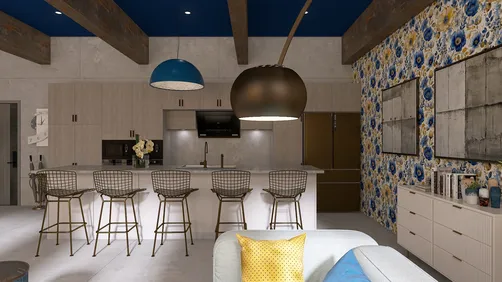
Peranakan tiles embody centuries of Peranakan heritage, distinguished by intricate patterns blending Chinese, Malay, and European influences. Their vivid colors—rich blues, emerald greens, fiery reds—combine in symmetrical, repeating motifs that enliven spaces with cultural significance and visual complexity. Ideal for accent walls, backsplashes, and flooring in tropical or heritage-inspired interiors, these tiles demand precise installation to maintain pattern continuity. While they bring vibrancy, overuse can overwhelm modern minimalist settings, requiring careful spatial planning to preserve harmony.
Style B Deep Dive
Mediterranean tiles draw inspiration from the sun-kissed coasts of Spain, Italy, and Greece, typically showcasing warm terracotta hues, aged surfaces, and rustic textures. These tiles favor irregular shapes, handcrafted finishes, and understated motifs like simple florals or geometric lines. They suit casual, open-plan spaces with natural light and organic materials, blending seamlessly with wood and stone. The primary limitation lies in their subtlety which may appear muted in interiors craving dynamic visual impact, demanding complementary decor to avoid blandness.
Head-to-Head
Color: Peranakan tiles explode with saturated, jewel-like colors contrasted against crisp white backgrounds, whereas Mediterranean tiles inhabit a warm spectrum dominated by ochres, siennas, and muted blues reflecting coastal vistas. Material: Peranakan tiles often utilize glazed ceramic surfaces that create a polished, reflective finish, championing durability and easy maintenance. Mediterranean versions lean toward matte or naturally textured clay, emphasizing artisanal imperfections and aged patina. Spatial Experience: Peranakan tiles command attention within compact or feature areas, generating visual drama through pattern density and contrast. By contrast, Mediterranean tiles enhance spacious, airy rooms, inviting relaxation through their organic warmth and softness. Target Audience: Peranakan appeals to aficionados of cultural heritage and bold aesthetics, often featured in heritage restaurations, boutique hotels, or homes seeking a statement piece. Mediterranean tiles attract lovers of rustic charm, sustainable living themes, and Mediterranean-inspired casual lifestyles.
How to Choose
Assess whether your project prioritizes cultural storytelling or a connection to nature-led rustic living. Choose Peranakan tiles if you desire striking color contrast and ornamental detail that acts as a focal point and cultural conversation starter. Opt for Mediterranean tiles when the goal is to foster warmth, understated elegance, and a tactile, aged character supporting relaxed environments. Consider the scale of application to avoid visual clutter with Peranakan or blandness with Mediterranean styles. Finally, align your choice with your overall interior palette, lighting conditions, and maintenance preferences to achieve cohesive results.
Designing the Look
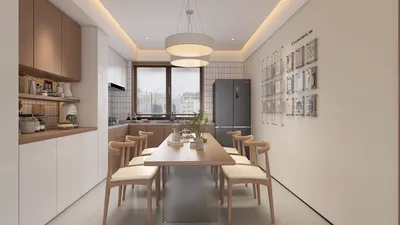
If Peranakan tiles is the direction you're drawn to, Homestyler's 'Peranakan tiles' gives you a ready-built library to start experimenting immediately — no sourcing, no scale guesswork, just design.

kitchen cabinet set-Kitchen Cabinet III

kitchen cabinet set-Kitchen Cabinet III

dining table set-Modern Home Interior

kitchen cabinet set-Kitchen Cabinet III

bookcase-Country Grace

kitchen cabinet set-Kitchen Cabinet III
FAQ
Q1: How do Peranakan tiles compare to Mediterranean tiles in terms of maintenance?
Peranakan tiles with their glazed ceramic finish are generally easier to clean and resist staining, requiring regular wiping but minimal sealing. Mediterranean tiles, often unglazed or less polished, may absorb moisture and show wear over time, necessitating periodic sealing and gentler cleaning methods.
Q2: Can Peranakan and Mediterranean tiles be combined in a single design scheme?
Combining these styles requires a careful balance; using Peranakan tiles as feature accents with Mediterranean tiles providing complementary, neutral backgrounds can work. Attention should be given to coordinating color palettes to avoid visual conflict.
Q3: Which tile style is better suited for high-traffic commercial spaces?
Peranakan tiles’ glazed surfaces offer durability and ease of maintenance making them preferable for such environments. Mediterranean tiles, with their textured surfaces, may be prone to faster wear and are better suited to residential or low-traffic areas.
Homestyler's roots trace back to Autodesk, the global leader in design and engineering software. That heritage lives on in every feature we build. Today, with a community of more than 20+ million registered users (platform data, 2026) worldwide, Homestyler continues to make professional-quality interior design accessible to everyone — from first-time decorators to seasoned architects.
With Homestyler, you can design and visualize your living spaces online with stunning, realistic results.
立即免费设计



















![[For my dearest Sabrinik 🧡]](https://hs-designs.homestyler.com/production/design/images/3f463715-5ed6-4c49-9346-16d464510aa6/1714085722568.jpg?x-oss-process=image/resize,w_502,m_mfit/format,webp)
