


Introduction
Peranakan tiles are an embodiment of cultural hybridity, blending Chinese, Malay, and colonial Dutch influences into a distinct artistic language. Emerging from Southeast Asia’s Peranakan communities—descendants of Chinese immigrants who settled in the Malay Archipelago—these tiles carry a rich philosophical significance that reflects identity, tradition, and resilience. Rather than simply serving decorative purposes, Peranakan tiles are visual storytellers; their intricate hand-painted patterns and vivid palettes encapsulate both historical narratives and cross-cultural dialogue. Rooted in a philosophy of preservation through artistry, the style negotiates between the ornate heritage of the past and the demands of contemporary design. This duality creates an aesthetic framework that values craftsmanship and heritage while embracing modernity.
Core Elements
Color: The vibrancy of Peranakan tile palettes is pivotal to their identity. Saturated blues, lush greens, fiery reds, and golden yellows dominate, each hue meticulously chosen to symbolize prosperity, spirituality, and heritage. These colors don’t merely decorate surfaces; they evoke cultural stories embedded in traditions passed down through generations. The interplay of these intense colors creates a visual rhythm that energizes interiors, transforming bland walls or floors into dynamic canvases that pulse with cultural vitality. Designers must strike a balance between preserving this chromatic authenticity and adapting it to contemporary schemes, often juxtaposing these hues against neutrals to prevent visual overload and sustain harmony.
Material: The materiality of Peranakan tiles is defined by handmade ceramic craftsmanship. The tactile quality of glazed ceramics—smooth yet assertive—contributes depth and texture in spatial design. Unlike mass-produced alternatives, authentic Peranakan tiles convey subtle imperfections that highlight artisanal value. Their surfaces boast a lustrous finish that reflects light, enhancing spatial warmth and intimacy. Additionally, the tile’s durable nature makes them functional for high-traffic areas, ensuring longevity without sacrificing aesthetic integrity. Contemporary application often involves sourcing these tiles or faithful reproductions that respect traditional firing and glazing techniques, preserving the authenticity embedded in the material composition.
Form: Formally, Peranakan tiles are recognized for their repetitive geometric and floral motifs, which serve as frameworks for storytelling. Patterns include kaleidoscopic arrangements, interlocking shapes, and symmetrical designs that produce a hypnotic effect. These forms aren’t arbitrary; they resonate with symbolic meanings—such as lotus flowers denoting purity, or interwoven patterns signifying interconnectedness within the community. The modularity of these tiles allows for endless variation in layout, empowering designers to create bespoke designs that oscillate between tradition and innovation. Mastering these forms requires understanding the cultural language they encode and deploying them thoughtfully to complement architectural features.
Designing the Look
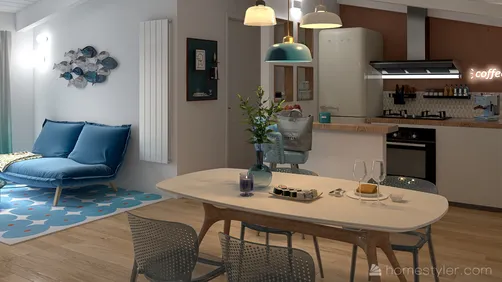
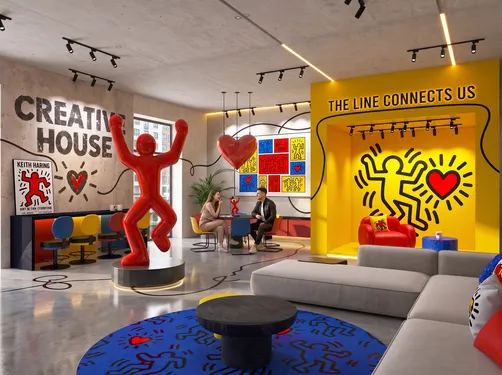
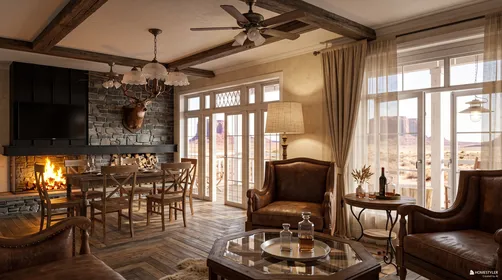
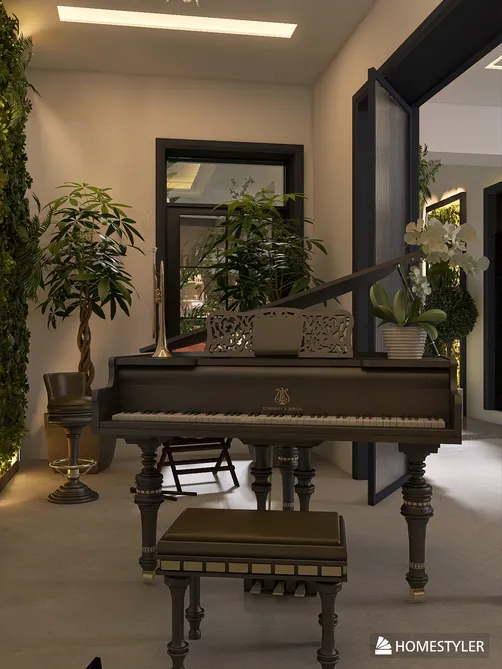
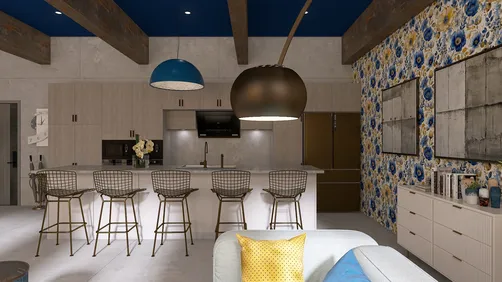
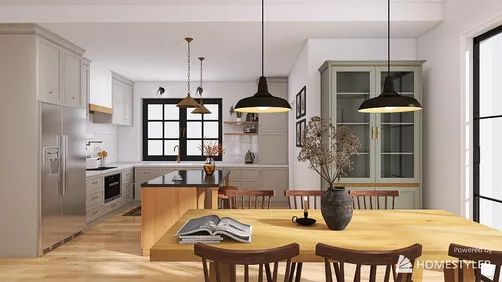
Navigating the practical application of Peranakan tiles within interiors demands both cultural sensitivity and technical proficiency. Homestyler’s ‘Peranakan tiles’ offers a comprehensive set of ready-to-use 3D models specifically curated to embody this aesthetic, allowing designers to achieve authentic results with professional-grade textures and forms. Utilizing these assets enables interior designers and architects to experiment virtually, visualizing the interplay of colors, materials, and forms before committing to costly installations. This approach facilitates informed decisions aligned with the nuanced traditions these tiles represent. The digital models capture every brush stroke's subtlety and sheen, helping preserve the artisanal essence while embracing technological advancements. In commercial and residential contexts alike, Peranakan tiles inject character and an evocative historical narrative, blending heritage with contemporary styling seamlessly.

kitchen cabinet set-Kitchen Cabinet III

kitchen cabinet set-Kitchen Cabinet III

dining table set-Modern Home Interior

kitchen cabinet set-Kitchen Cabinet III

bookcase-Country Grace

kitchen cabinet set-Kitchen Cabinet III
FAQ
Q1: What defines Peranakan tiles compared to other traditional tiles?
The defining characteristics of Peranakan tiles are their fusion of intricate geometric and floral patterns combined with a vibrant color palette rooted in Southeast Asian cultural symbolism. Unlike other traditional tiles which may focus solely on pattern or color, Peranakan tiles synthesize multiple influences—Chinese motifs, Malay artistry, and colonial-era techniques—creating an unmistakable heritage narrative that distinguishes them in both appearance and cultural resonance.
Q2: How can modern interiors incorporate Peranakan tiles without overwhelming the space?
The key to incorporating Peranakan tiles in modern interiors lies in proportion and placement. Using these tiles as accent pieces—such as backsplashes, feature walls, or flooring borders—can introduce cultural richness without dominating the entire space. Pairing their vivid palette with neutral or minimalist surroundings tempers the boldness and maintains balance. Moreover, leveraging digital 3D modeling tools to preview layouts helps designers understand scale and impact before installation, ensuring a harmonious integration.
Q3: Are there sustainable considerations in sourcing authentic Peranakan tiles?
Sustainable sourcing entails selecting tiles made with traditional yet environmentally conscientious methods, such as low-impact firing processes and natural pigments. Supporting artisans who maintain handcrafted techniques promotes cultural preservation alongside sustainable practice. Additionally, using restored vintage tiles or high-quality reproductions reduces waste and resource strain. As demand grows, adopting responsible procurement strategies that respect both heritage and ecological impact becomes increasingly critical.
Homestyler's roots trace back to Autodesk, the global leader in design and engineering software. That heritage lives on in every feature we build. Today, with a community of more than 20+ million registered users (platform data, 2026) worldwide, Homestyler continues to make professional-quality interior design accessible to everyone — from first-time decorators to seasoned architects.
Leverage Homestyler's AI-powered features to quickly generate professional interior design schemes.
立即免费设计

















![[For my dearest Sabrinik 🧡]](https://hs-designs.homestyler.com/production/design/images/3f463715-5ed6-4c49-9346-16d464510aa6/1714085722568.jpg?x-oss-process=image/resize,w_502,m_mfit/format,webp)