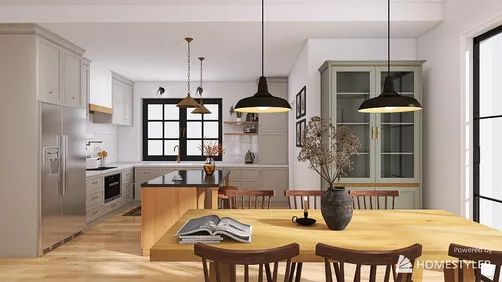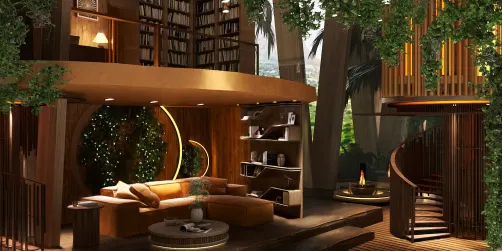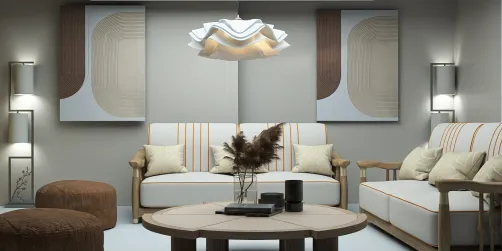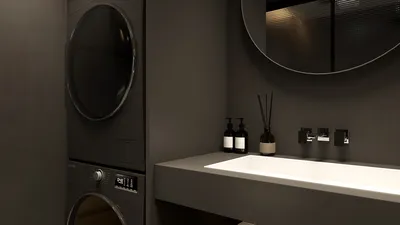



Japandi Style’s Core Design Challenge: Balancing Minimalism with Warmth Without Overcomplication
1. Over-decorating disrupts Japandi’s minimalist harmony. 2. Ignoring natural materials undercuts the style’s essence. 3. Mixing too many cultural elements breeds confusion. 4. Poor furniture scale breaks spatial balance. 5. Neglecting light and texture diminishes warmth.
I’ve spent years observing Japandi interiors, and the one thing that keeps tripping up even experienced designers is finding the right balance between functionality, serenity, and subtle beauty. The style’s essence lies in merging Japanese minimalism with Scandinavian comfort — two aesthetics with overlapping but distinct principles. Missteps typically happen when designers either lean too far into Japanese austerity, losing warmth, or overindulge in Scandinavian coziness, cluttering the clarity. Understanding and respecting each style’s fundamentals is critical to creating authentic Japandi environments.
Why It Goes Wrong
Japandi interiors frequently falter due to a fundamental misunderstanding of the harmony between restraint and warmth. Designers often layer too many decorative items, losing minimalism’s power, or select furnishings in conflicting scales and materials that disrupt cohesiveness. Additionally, mixing unrelated cultural details dilutes what makes Japandi unique. The root causes lie in aesthetic confusion, improper scale, and the lack of disciplined material selection—all of which derail the delicate balance Japandi demands.
Mistake 1: Over-Decoration
The Mistake: Crowding rooms with excessive accessories, art, or décor disrupts the calming minimalism fundamental to Japandi style. Why It Happens: Designers try to fill spaces to avoid emptiness but ignore the subtle power of negative space. The Fix: Limit decorative objects to no more than 2-3 essential pieces per room that serve a purpose or add subtle beauty; embrace empty spaces as intentional breathing room.
Mistake 2: Neglecting Natural Materials
The Mistake: Using synthetic surfaces or overly polished finishes which feel cold and disconnected. Why It Happens: Budget constraints or lack of knowledge push designers toward cheaper or inconsistent materials. The Fix: Incorporate authentic wood, bamboo, linen, and stone finishes that bring tactile warmth and natural variation to the space; aim for organic textures over perfection.
Mistake 3: Mixing Multiple Cultures Beyond Japandi
The Mistake: Adding decorative elements from unrelated cultures results in a confusing, diluted style. Why It Happens: Desire for eclectic flair or misunderstanding Japandi as a loosely defined fusion. The Fix: Confine cultural references strictly to Japanese and Scandinavian influences; research traditional motifs and crafts unique to both and avoid generic global trends.
Mistake 4: Misjudging Scale and Proportion
The Mistake: Using oversized furniture or tiny decor that throws off the room’s visual balance. Why It Happens: Ignoring Japandi’s preference for low-profile, streamlined furnishings and proportional harmony. The Fix: Select furniture with simple lines and moderate height; use scale studies to ensure that each object relates well to spatial dimensions and human use.
Mistake 5: Overlooking Light and Texture
The Mistake: Relying primarily on artificial lighting and flat surfaces, creating sterile spaces. Why It Happens: Practical lighting demands overshadow a nuanced understanding of natural light dynamics. The Fix: Maximize natural daylight with sheer curtains and reflective surfaces; layer lighting options and choose textiles like woven wool and smooth cotton to enhance texture contrast.
Designing the Look
Homestyler’s ‘Complete Japandi Interior’ offers a comprehensive set of ready-to-use 3D models specifically curated to embody this aesthetic, allowing designers to achieve authentic results with professional-grade textures and forms.

kitchen cabinet set-Kitchen Cabinet III

bar counter set-Bar Furniture

coffee table-Scandinavian Home Interior

kitchen cabinet set-Kitchen Cabinet III

kitchen cabinet set-Kitchen Cabinet III
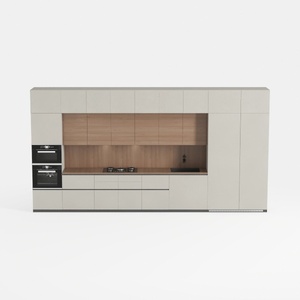
kitchen cabinet set-Kitchen Cabinet III
FAQ
Q1: How can I balance the Japanese minimalism and Scandinavian warmth without clutter?
Achieving this balance requires focusing on simplicity and natural elements. Limit decoration and choose pieces with clean lines while integrating warm textures like wood and textiles. Prioritize functionality and keep only items that add visual or practical value to avoid unnecessary clutter.
Q2: What materials are essential for an authentic Japandi interior?
Key materials include light, unfinished or lightly finished woods such as ash or oak for furniture and flooring; natural fibers like linen, wool, and cotton for soft furnishings; and stone or ceramic accessories with matte finishes. Avoid synthetic textures and glossy surfaces that disrupt the natural, warm atmosphere.
Q3: How do I select furniture that fits the Japandi style?
Choose furniture with simple, low-profile silhouettes that emphasize craftsmanship. Pieces should harmonize with the room scale, neither dominating nor shrinking the space. Avoid ornate details, opting instead for subtle joinery or minimal hardware that complements the understated aesthetic.
Built on technology originally developed at Autodesk, Homestyler empowers anyone to design beautiful, realistic spaces in minutes. Join over 20+ million registered users (platform data, 2026) who have already discovered a smarter way to plan, visualize, and bring their dream homes to life — all from the comfort of a browser.
Homestyler supports multiple platforms, allowing you to work on your interior design anytime, anywhere.
Design Now for FREE


















![[For my dearest Sabrinik 🧡]](https://hs-designs.homestyler.com/production/design/images/3f463715-5ed6-4c49-9346-16d464510aa6/1714085722568.jpg?x-oss-process=image/resize,w_502,m_mfit/format,webp)