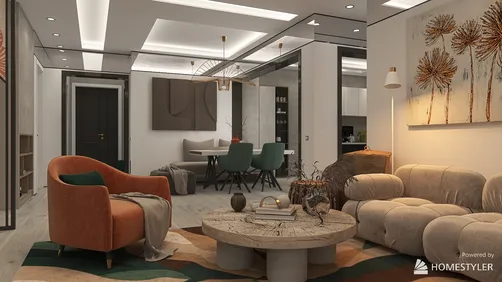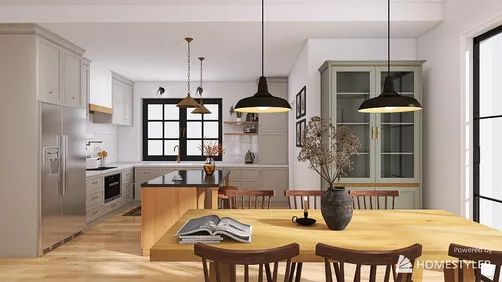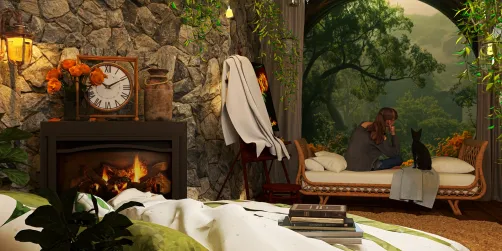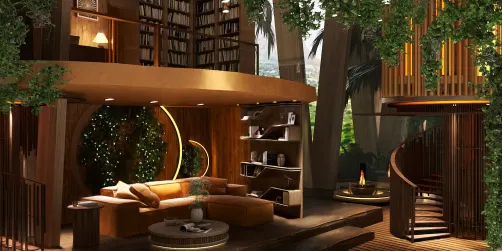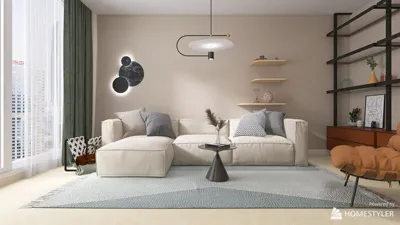



Japandi style marries the rustic warmth of Japanese aesthetics with the clean simplicity of Scandinavian design. The core challenge in Japandi interiors lies in balancing minimalism with natural warmth without succumbing to cold sterility or cluttered maximalism. Each element must serve multiple purposes: function, beauty, and emotional comfort. This balance is achieved through carefully curated materials, deliberate spatial arrangements, and a restrained color palette that captures tranquility and authenticity in everyday living spaces. Designers must avoid the trap of treating Japandi superficially; instead, they embrace its ethos by blending practical ergonomics with tactile elements like wood grains, woven textiles, and soft light. The tension between utility and artistry drives this style’s visual poetry, demanding precision in selection and placement to evoke calm and clarity. The main design challenge is to orchestrate harmonious contrasts—mixing warm textures with sleek surfaces, muted colors with subtle accents—so the space feels unified rather than fragmented. Japandi’s true beauty arrives where restraint meets sincerity, and where function complements form without excess decoration or clinical emptiness. Capturing this poetic minimalism requires patience and thoughtful decision-making from spatial proportions to decorative accents, ensuring each choice enhances the next and maintains fluid cohesion throughout the environment.
Step 1: Layout Logic — Spatial Proportion and Furniture Arrangement
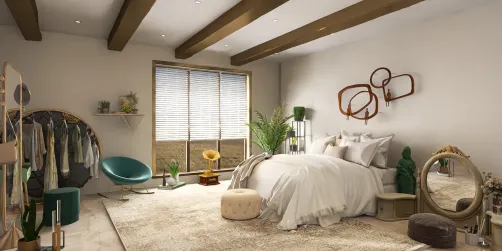
Start by establishing a clear spatial hierarchy organized around functionality and flow. Japandi interiors prioritize open, breathable layouts that promote movement and evoke calm. Use natural rectangular or square room shapes to support simple, linear furniture placement. Begin with a foundational piece like a low-profile wooden sofa or tatami-style seating positioned to maximize views or natural light. Surround it with secondary elements such as minimalist side tables and unobtrusive storage units that maintain low visual weight. Keep furniture scaled appropriately — bulky, oversized items disrupt the harmony. Instead, opt for pieces that showcase clean lines and balanced proportions, ensuring each object's height, width, and depth relate seamlessly with other pieces and the overall room size. To enhance spatial balance, leave visible floor space and avoid crowding; negative space is an intentional design asset, creating breathing room and visual rest. Layer furniture thoughtfully, combining solid wood materials with subtle textures like woven rattan or linen upholstery to reinforce tactile interest without visual clutter. The arrangement should encourage natural interaction and comfortable use, avoiding symmetric rigidity but maintaining intentional alignment. Finally, include multifunctional furniture that supports efficiency aligned with Japandi’s principle of simplicity married with function — such as nesting tables or modular seating — to contribute flexibility without diminishing cohesive style.
Step 2: Light and Color — Palette Choice and Lighting Integration
Japandi style thrives on soft, neutral color schemes rooted in nature: warm beiges, muted greys, earthy browns, and gentle off-whites. These colors create an inviting, peaceful foundation that allows textures and forms to stand out subtly. Avoid saturated or highly vibrant hues, which clash with the style’s understated temperament. To enhance warmth, incorporate natural wood tones in flooring, furniture, or accent pieces, paying attention to grain patterns to deepen visual interest. Introduce light via multiple sources for layered, ambient illumination. Maximize daylight with sheer window treatments or unobstructed openings, allowing natural sunlight to bring warmth and vitality. Complement sunlight with warm-toned artificial lights — choose paper lanterns or wooden pendant lights with soft diffusers to mimic natural glow. Use directional lighting sparingly to accentuate key features like a handcrafted vase or a sculptural bowl, reinforcing focus points without overpowering gentleness. Balance is critical: the lighting scheme should evoke serenity, minimizing shadows and harsh contrasts. The integration of natural light and carefully curated palettes sustains the calm atmosphere and highlights Japandi’s textured nuances, guiding desirable moods throughout the day and night.
Step 3: Finishing Touches — Accent Pieces that Elevate Texture and Cohesion
Small decorative elements play an outsized role in Japandi interiors, serving as tactile and visual connectors that harmonize the overall aesthetic. Incorporate organic materials such as ceramic pottery, handwoven baskets, or linen cushions to provide texture and visual warmth. Place these selectively; clutter dilutes Japandi’s essence. Each chosen object should feel deliberate, echoing the wood, stone, and textile palette. Consider placing a handcrafted vase on a coffee table or a minimalist bonsai to introduce nature indoors subtly. Use soft throws in natural fibers to break rigid lines and add coziness to seating. Opt for low-profile rugs in muted earth tones that anchor the space without visual distraction. The accent pieces also extend to functional objects: lanterns, trays, or wooden bowls that carry practical uses and align aesthetically. Resist glossy or overly ornate decorations that disrupt the understated, raw beauty. This measured inclusion of small-scale decor completes the scene, adding personality and subtle refinement that distinguishes Japandi from generic minimalism.
Designing the Look
For designers working in Homestyler, the Complete Japandi Interior is a practical shortcut to authenticity. It removes the guesswork from sourcing — every piece is pre-matched in scale, material, and proportion to deliver a coherent Japandi result.

kitchen cabinet set-Kitchen Cabinet III

bar counter set-Bar Furniture

coffee table-Scandinavian Home Interior

kitchen cabinet set-Kitchen Cabinet III

kitchen cabinet set-Kitchen Cabinet III
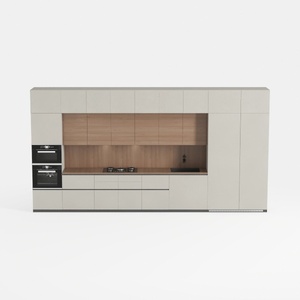
kitchen cabinet set-Kitchen Cabinet III
FAQ
Q: How can I incorporate Japandi style into a small apartment without overcrowding?
Focus on multi-functional furniture that complements open layouts, such as low-profile seating with built-in storage or foldable tables. Use light, natural hues for walls and furniture to expand perceived space, and keep decorative accessories to a minimum. Leave deliberate negative space to maintain a calm atmosphere and avoid cramped feelings.
Q: What are the best lighting fixtures for preserving Japandi’s natural warmth?
Opt for lighting that offers warm color temperatures—typically between 2700K and 3000K. Choose materials like wooden or paper pendant lamps and lampshades that diffuse light softly. Incorporating dimmable lights and layering multiple light sources creates a soothing, adaptable environment aligned with Japandi’s ethos.
Q: How do I select textiles and surface textures to keep the Japandi balance precise?
Select textiles made from natural fibers such as linen, cotton, or wool in subtle, earthy colors. Avoid heavy patterns or synthetic materials. For surfaces, prioritize raw or matte finishes on wood and ceramics to emphasize natural textures. Mix tactile elements—smooth wood, soft linens, and woven textiles—without overwhelming the visual calm.
Built on technology originally developed at Autodesk, Homestyler empowers anyone to design beautiful, realistic spaces in minutes. Join over 20+ million registered users (platform data, 2026) who have already discovered a smarter way to plan, visualize, and bring their dream homes to life — all from the comfort of a browser.
Homestyler supports multiple platforms, allowing you to work on your interior design anytime, anywhere.
立即免费设计
















![[For my dearest Sabrinik 🧡]](https://hs-designs.homestyler.com/production/design/images/3f463715-5ed6-4c49-9346-16d464510aa6/1714085722568.jpg?x-oss-process=image/resize,w_502,m_mfit/format,webp)