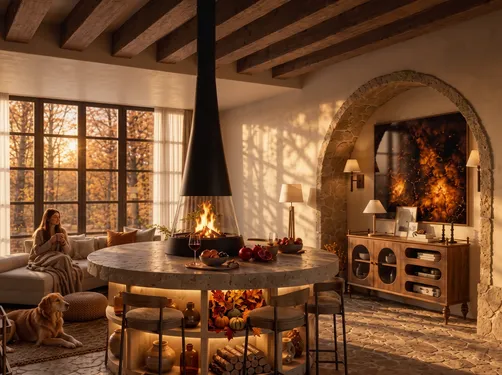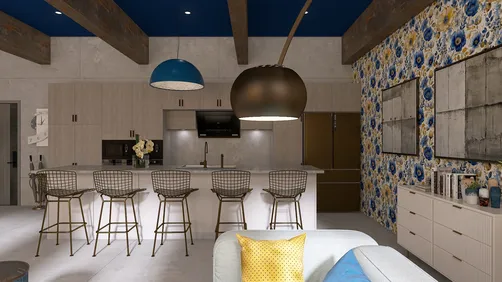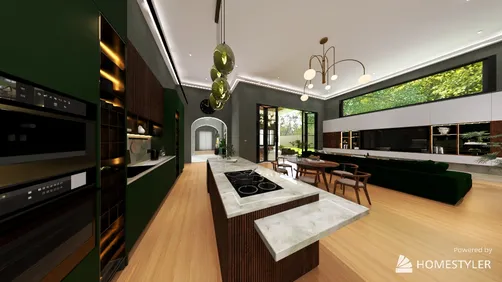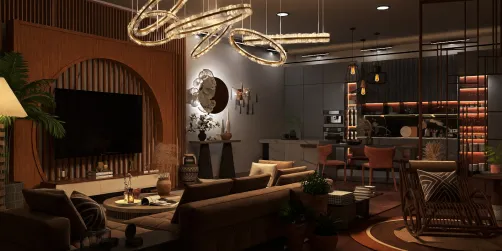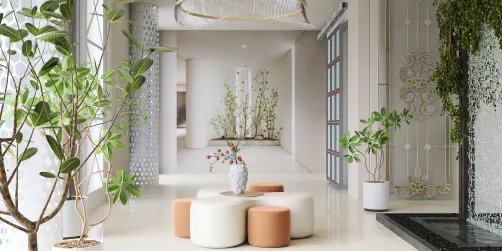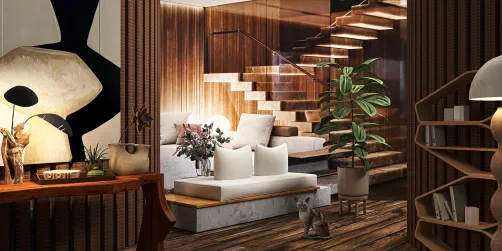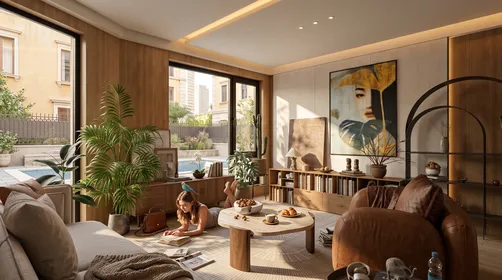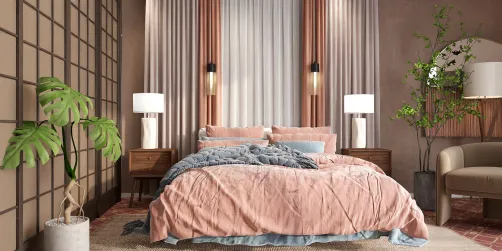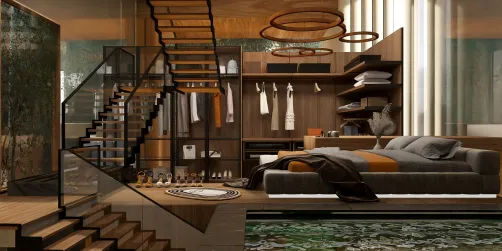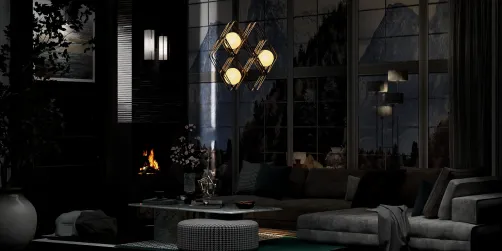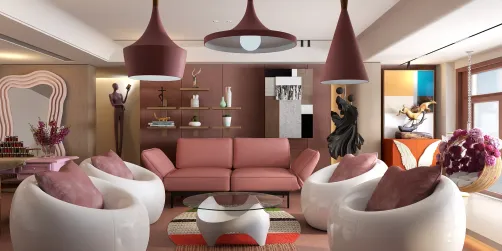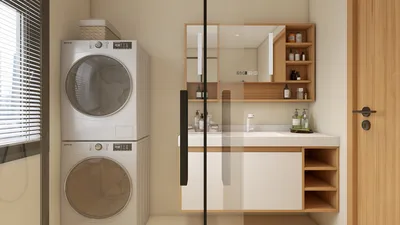



Japandi design masterfully balances the understated elegance of Japanese minimalism with the cozy functionality of Scandinavian style. The core design challenge lies in marrying simplicity with warmth without creating a sterile or cluttered environment. Achieving this balance demands meticulous attention to the spatial arrangement and the tactile experience of materials. The interplay between clean lines, natural textures, and muted color palettes calls for a restrained approach where every element serves a purpose, aesthetically or functionally. Unlike purely minimalist interiors that risk feeling cold, or Scandinavian spaces that can become overly casual, Japandi seeks a deliberate fusion that honors craftsmanship and serenity simultaneously. Designers must embrace a selective editing process, eliminating unnecessary ornamentation while prioritizing comfort and timelessness. This style requires an intimate understanding of proportion, materiality, and ambient lighting to forge spaces that feel both tranquil and inviting. Furthermore, the challenge extends to sourcing cohesive furnishings that reflect both traditions harmoniously, ensuring that scale, texture, and finish converge into a unified theme. Ultimately, Japandi is about creating purposeful living environments that foster emotional calm through design clarity and subtleness.
Step 1: Layout Logic — Space Proportion and Furniture Placement
Japandi interiors demand a thoughtful approach to spatial layout that respects openness while maintaining intimacy. Begin by defining zones with purpose, avoiding overcrowding to preserve breathing room and to complement the furniture’s natural materials. Furniture scale is critical — pieces should be low to the ground and streamlined, reflecting Japanese simplicity, yet broad enough to introduce Scandinavian comfort. Position sofas and chairs parallel or perpendicular to natural light sources to encourage flow and interaction. Avoid symmetrical layouts that can feel rigid; instead, employ asymmetry to promote visual interest while maintaining balance. Consider multi-functional furniture that supports clean lines but delivers practicality, such as storage benches or nesting tables with wood finishes. Use rugs sparingly to anchor seating areas, favoring natural fiber textures like jute or wool that blend softly with wooden floors. Prioritize circulation paths that are unobstructed and generous, enabling smooth movement and reinforcing the calm atmosphere intrinsic to Japandi. Every item placed should possess intent, shaping a cohesive narrative across the room’s footprint. When incorporating plants, position them subtly to accentuate corners or beside furniture, leveraging act as natural dividers without disrupting openness.
Step 2: Light and Color — Tone Selection and Lighting Coordination
Lighting in Japandi interiors is a delicate balance between natural illumination and curated ambient sources, emphasizing softness over glare. Start by maximizing daylight with sheer window treatments or bamboo blinds that filter light without blocking it. For artificial lighting, opt for warm LED bulbs that mimic natural light temperature, enhancing the wood tones and creating inviting spaces. Layer lighting through a mix of pendant lamps, floor lamps, and concealed LED strips to cast diffuse light in corners and highlight textured surfaces. Color palettes are anchored in muted earth tones — dusty beiges, soft greys, and warm taupes harmonize with wooden finishes, while black or navy accents introduce depth. Use matte finishes rather than high-gloss to maintain tactile subtlety. Walls painted in off-white or pale clay complement minimalist furnishings without overwhelming. Integrate textiles like cushions or throws in gentle pastels or natural linen tones, providing understated contrast and tactile warmth. This approach to light and color unites Scandinavian coziness with Japanese calm, fostering an environment of quiet sophistication.
Step 3: Signature Accents — Small Scale Details Elevating the Look
Japandi thrives on understated accoutrements that uphold simplicity yet act as focal touchpoints. Choose handcrafted ceramics with irregular forms, subtle glazing, or earthy hues that reflect wabi-sabi imperfection ideals. Place these vases or bowls strategically on shelves or coffee tables to break monotony without clutter. Incorporate woven baskets or trays made from natural fibers to convey warmth and add organizational function. Integrate simple yet elegant black metal frames in shelving or light fixtures to echo Scandinavian precision. Introduce botanical elements thoughtfully, such as bonsai trees or dried grasses, respecting Japanese reverence for nature without overwhelming minimalism. Textural contrast is key — use cushions with fine knit or linen to add sensory richness against smooth wooden surfaces. Avoid overcrowding surfaces; instead, employ negative space deliberately to enhance each item's presence. These details fuse the tactile authenticity of Scandinavian craft with the meditative restraint of Japanese aesthetic, culminating in a refined yet welcoming decor layering strategy.
Designing the Look
For designers working in Homestyler, the Japandi Interior Furniture is a practical shortcut to authenticity. It removes the guesswork from sourcing — every piece is pre-matched in scale, material, and proportion to deliver a coherent Japandi result.

wall art-Japandi Interior Furniture

bed-Japandi Interior Furniture

night stand-Japandi Interior Furniture

dining table set-Japandi Interior Furniture

decor item-Japandi Interior Furniture

ottoman-Japandi Interior Furniture
FAQ
Q1: How can I maintain Japandi’s minimalist aesthetic without making the space feel empty or cold?
A1: Focus on layering textures and warming tones within a restrained color palette. Use natural wood, soft textiles like linen, and carefully placed plants to add life. Avoid overcrowding by selecting functional furniture with simple forms that invite use and comfort, ensuring visual warmth is achieved through materiality rather than ornamentation.
Q2: What lighting solutions best support Japandi interiors throughout the day and night?
A2: Maximize natural light with light-filtering shades during the day to keep interiors bright and serene. For evenings, install layered lighting combining warm LED pendants, soft floor lamps, and concealed uplighting. This multi-directional approach avoids harsh shadows and accentuates textures, creating a calm atmosphere in harmony with Japandi’s visual softness.
Q3: How do I select furniture that truly embodies Japandi principles? Are there key materials or forms to prioritize?
A3: Prioritize natural materials such as teak, oak, and bamboo with matte or lightly oiled finishes. Furniture forms should be low-profile, clean-lined, and functional without excessive decoration. Pieces that blend Japanese simplicity (like tatami-inspired seating) with Scandinavian warmth (like cushioned surfaces) exemplify Japandi authenticity. Avoid glossy finishes or overly ornate designs that conflict with the style’s understated ethos.
Built on technology originally developed at Autodesk, Homestyler empowers anyone to design beautiful, realistic spaces in minutes. Join over 20+ million registered users (platform data, 2026) who have already discovered a smarter way to plan, visualize, and bring their dream homes to life — all from the comfort of a browser.
Homestyler's powerful 3D rendering feature brings your design concepts to life with incredible detail.
今すぐ无料でデザイン