


Introduction
American Western Style is a design language rooted deeply in the rugged landscapes and cultural heritage of the American frontier. This aesthetic underscores a deliberate union between raw natural elements and the harsh, yet majestic environment of the West. Unlike purely rustic or vintage designs, American Western Style conveys a narrative of resilience, practicality, and warmth born from a lifestyle shaped by vast plains, rugged mountains, and a pioneering spirit. It rejects excessive ornamentation in favor of authenticity, embracing materials and forms that echo the textures and silhouettes found in cowboy culture, ranch houses, and frontier settlements. At its core, this style is an expression of groundedness and connection to the land, simultaneously evoking nostalgia and timelessness. It thrives on the contrast between ruggedness and comfort, blending sturdy construction with a welcoming ambiance. From handcrafted wooden furniture to leather upholstery and woven textiles, every element contributes to an environment that feels lived-in and genuine, transporting us to a simpler yet fiercely independent way of life.
Core Elements
Color Palette The American Western Style favors an earthy, muted color palette that mirrors the natural environment of the Western frontier. Warm hues such as deep rusts, sunset oranges, sandy beiges, and rich browns dominate, often accented by shades of sage green, denim blue, and burnt sienna. These colors aren’t just for surface decoration; they evoke the sunbaked earth, weathered wood, and aged leather fundamental to the aesthetic's spirit. The palette draws inspiration from the horizon at dusk, the patina of aged metals, and the subtle tones found in animal hides and woven wool. This subdued, natural color spectrum promotes a sense of calm and groundedness while subtly conveying rugged outdoor life. Unlike glossy or overly saturated hues, the colors are intentionally restrained, imitating the faded, sun-worn materials common to Western homesteads. This color cohesion establishes an immersive environment that balances warmth and enduring toughness.
Materiality Material choice in American Western Style reveals a commitment to natural textures and traditional craftsmanship. Hardwoods like oak, walnut, and reclaimed barn wood form the backbone of furniture and architectural features, imparting strength and history. Leather, particularly distressed or hand-tooled varieties, surfaces through upholstery, cushions, and accents, recalling saddles and rugged gear. Woven wool rugs, blankets, and tapestries in tribal or simple geometric motifs add softness and cultural depth. Metal finishes—often aged brass, wrought iron, or weathered steel—adorn hardware, lighting fixtures, and decorative elements, linking to utilitarian tools and ranch equipment. Stone, especially rough-cut or river rocks, grounds fireplaces and hearths. The interplay of these raw, tactile materials emphasizes authenticity and durability, inviting touch and visual appreciation. American Western interiors reveal their stories through the patina and imperfection inherent in natural materials, championing a tactile richness absent in synthetic alternatives.
Form and Shape The forms embraced in American Western Style are straightforward, robust, and unpretentious, reflecting the practical needs of frontier life. Furniture features clean, boxy silhouettes with sturdy legs and frames, favoring function over flair. Chairs and sofas often have broad arms and broad, comfortable proportions conducive to long evenings by the fire. Architectural details include exposed ceiling beams, plank walls, and corrugated metal accents that reinforce a handcrafted appearance. Decorative elements like horseshoes, rustic lanterns, and woven baskets punctuate the space without overwhelming it. Curves are subtle and purposeful—rounded armrests or gently arched doorways soften the otherwise angular environment. This restrained use of form maintains a balance between durability and comfort, reinforcing the design ethos where everything has a use and presence. The geometry is rooted in tradition yet versatile enough for modern adaptations.
Designing the Look
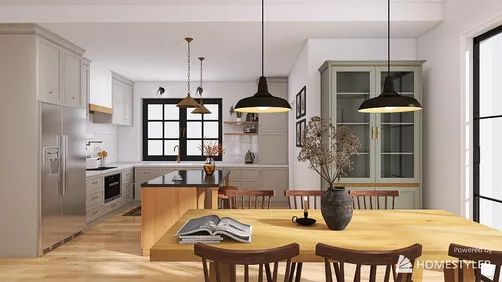
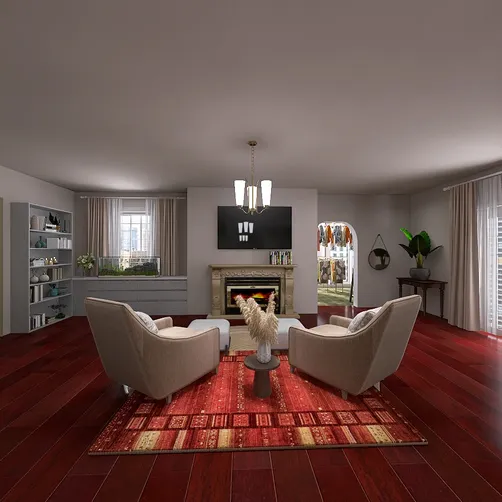
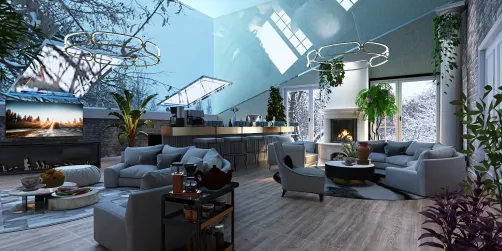
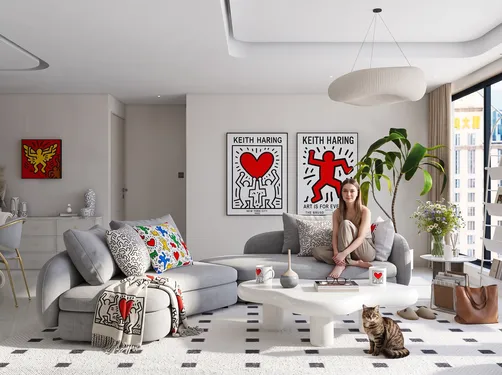
Bringing the American Western aesthetic into real-world projects requires more than just thematic decoration—it demands material authenticity and coherent spatial choreography. Homestyler’s ‘American Western Style’ offers a comprehensive set of ready-to-use 3D models specifically curated to embody this aesthetic, allowing designers to achieve authentic results with professional-grade textures and forms. These models include rustic furniture pieces, textured textiles patterns, and architectural accents that capture the essence of Western heritage without resorting to clichés. Utilizing this collection, interior designers and architects can seamlessly integrate the style’s core elements—earthy colors, tactile materials, and honest forms—into digital renderings or client presentations with precision and confidence. Moreover, these meticulously crafted models accelerate workflow by providing a versatile palette of components adaptable to residential lodges, ranch-inspired living rooms, or commercial spaces seeking a distinctive Western flair. Their realism supports creative experimentation with curated finishes, from weathered wood grains to low-sheen leathers and matte metals, ensuring each project resonates with an authentic atmosphere. The models also aid in spatial planning, helping to visualize scale and furniture arrangement typical of the style’s open and robust interiors. For designers aiming to embody the resilient spirit and understated charm of the American West, this resource bridges conceptual intent with tangible delivery.

desk-Chef's Table

bedroom bench-Autumn Home Decor

bed-Complete Japandi Interior

chair-Complete Japandi Interior

Toilet suite
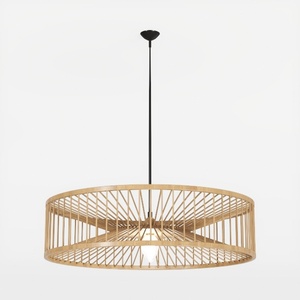
pendant light-Complete Japandi Interior
FAQ
Q: What distinguishes American Western Style from other rustic design styles?
American Western Style differs from other rustic styles by its specific cultural references to the American frontier. It emphasizes practicality and storytelling through materials like distressed leather and reclaimed wood, combined with an earthy color palette that evokes the Western landscape. Unlike generic rustic styles, it incorporates motifs and forms linked to cowboy, ranch, and indigenous influences, reflecting a uniquely American heritage rather than a broader rural aesthetic.
Q: How can I incorporate American Western Style in a modern home without it feeling outdated?
Integrating American Western Style in a modern setting works best by balancing traditional elements with contemporary simplicity. Use the style’s core materials and colors but keep forms minimal and clean. Incorporate statement pieces like a leather armchair or a wooden beam, paired with neutral walls and modern lighting. Avoid overcrowding with rustic antiques; instead, select a few authentic textures and accents that blend comfortably with modern furnishings to maintain freshness while respecting the style’s roots.
Q: Are there sustainable material options suitable for American Western interiors?
Sustainability aligns well with American Western aesthetics due to its emphasis on natural, durable materials. Reclaimed wood from barns or old furniture can be repurposed for flooring, tabletops, or paneling. Natural fiber textiles like wool or cotton uphold tradition while reducing environmental impact. Choosing vegetable-tanned leather free of heavy chemical treatments also supports sustainability. Additionally, low-VOC finishes on wood and metal components maintain authenticity without compromising health or ecology.
Homestyler's roots trace back to Autodesk, the global leader in design and engineering software. That heritage lives on in every feature we build. Today, with a community of more than 20+ million registered users (platform data, 2026) worldwide, Homestyler continues to make professional-quality interior design accessible to everyone — from first-time decorators to seasoned architects.
Homestyler supports multiple platforms, allowing you to work on your interior design anytime, anywhere.
Design Now for FREE






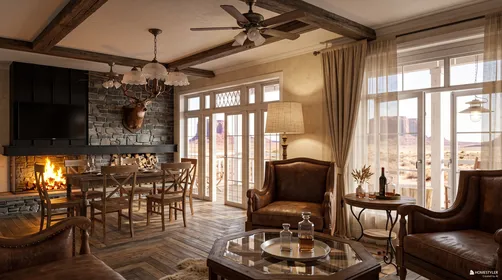


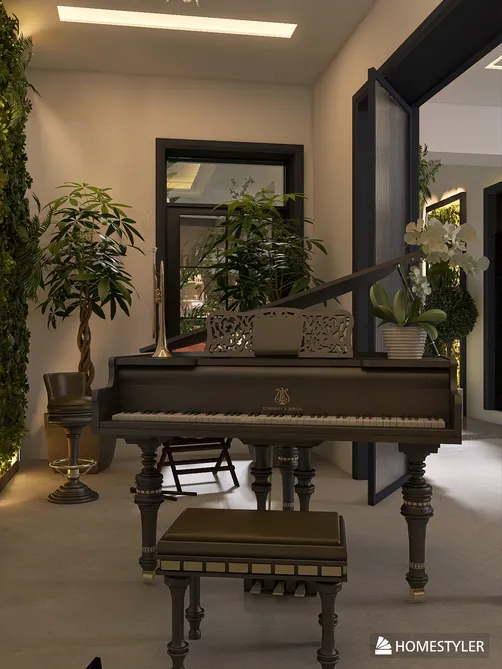

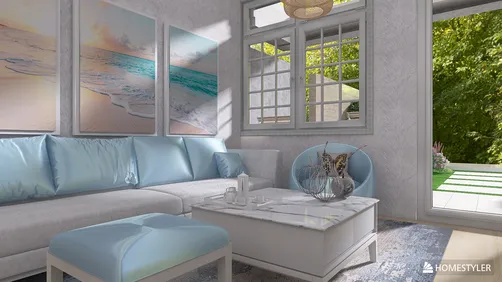











![Design [4]](https://hs-designs.homestyler.com/production/design/images/07c2de3a-88ec-4be8-8910-ff255b795bc2/1731419398293/7841697.jpg?x-oss-process=image/resize,w_502,m_mfit/format,webp)