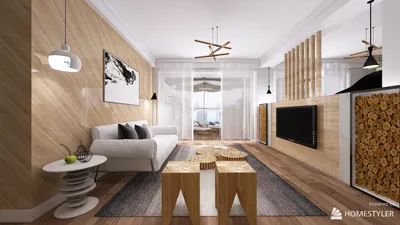


Let me begin with an admission: at the start of my career, I made a foolish mistake by drilling into a beautiful tile backsplash to install a permanent wall light — a blunder the homeowner still references at family gatherings. This embarrassing experience made me appreciate the simplicity and versatility of plug-in wall-mounted lighting: they don't require electricians, can be easily reversed, and instantly elevate the ambiance of any space. Clever lighting solutions are especially beneficial in small areas, and in this article, I will share five practical inspirations that I have successfully implemented in various projects.
1. Swing-arm reading lamps for compact bedrooms
In studio apartments, I frequently install plug-in swing-arm sconces next to beds. These fixtures can be folded flat when you need extra space but extend out for reading; the plug-in design is ideal for renters. The benefit? They provide adaptable task lighting without the need for any rewiring. However, managing the cords can be a challenge — I typically conceal them behind discreet fabric tape or along moldings to maintain a clean appearance.
save pin
2. Plug-in picture lights to enhance artwork
During a recent project, a couple wished to display family photographs but were unable to run new wiring through their plaster walls. I opted for sleek plug-in picture lights that can clip onto the frame or the wall. They effortlessly create a gallery atmosphere and many models are dimmable. The downside? Some lower-priced options produce uneven lighting, so I suggest selecting fixtures with adjustable heads and warmer LEDs.
save pin
3. Bedside USB sconces for modern functionality
I find plug-in bedside sconces equipped with USB ports to be a fantastic recommendation. One of my clients humorously noted that they could finally stop stacking their phone on a precarious pile of books. These lights merge charging capabilities with illumination, saving valuable space on the nightstand. Just be cautious of overly bulky bases — a slim backplate will help keep the fixture looking elegant.
save pin
4. Plug-in task lights for tiny kitchens
In compact kitchens, I often incorporate under-cabinet or wall-mounted plug-in lights to brighten food preparation areas. These fixtures can be easily repositioned as layouts are modified, allowing for layered lighting without needing an electrician. For a visual representation of arranging lighting in tight spaces, I sometimes create layouts using an online design tool, like Homestyler, to demonstrate to clients how everything fits together.
save pin
5. Decorative plug-in wall sconces for corridors
Hallways greatly benefit from a series of low-voltage plug-in sconces to create a sense of rhythm and warmth. One client loved the concept but required removable options — plug-in lights were the perfect solution. The only downside is that visible cords can be an eyesore; I plan the cord paths along baseboard corners or opt for decorative fabric-covered cords to make them look intentional.
save pin
Tips:
Here are some practical tips: always measure from the outlet to the fixture to ensure the cord length is adequate; opting for LED lights is advisable to prevent heat issues; and consider installing a small in-line dimmer to create a cozy atmosphere. If outlets are placed awkwardly, inexpensive extension cords concealed in cable raceways can offer a tidy solution.
save pin
FAQ
Q1: Are plug-in wall-mounted lights safe? A1: Absolutely, as long as you adhere to the manufacturer’s guidelines and use undamaged cords. When mounting on walls, it's crucial to use the appropriate anchors and avoid running cords under carpets.
Q2: Can I install plug-in lights in a kitchen near the sink? A2: Yes, you can, but ensure that cords and plugs stay away from direct water contact and use GFCI-protected outlets for added safety.
Q3: Do plug-in sconces appear cheap? A3: Not necessarily, provided you select well-designed models and focus on the finishes and cord management; I have successfully used high-quality plug-in sconces in upscale projects and achieved fantastic results.
Q4: How can I neatly conceal the cord? A4: You can run cords along the trim or use paintable cable raceways, or even use fabric-covered cords as a stylish element. For renters, removable cord channels work effectively.
Q5: Is it possible to use a smart bulb in a plug-in wall light? A5: Yes — most smart bulbs fit standard sockets, allowing for dimming and color adjustments without having to change the fixture. Just ensure the fixture’s maximum wattage can accommodate your bulb choice.
Q6: Are there plug-in lights suitable for bathrooms? A6: Choose fixtures rated for damp locations and follow guidelines for areas near showers. Check the IEC or local electrical codes for specific requirements.
Q7: Where can I view examples of lighting layouts? A7: I frequently present clients with example plans and 3D layouts; for interactive demonstrations of lighting configuration, explore Homestyler for innovative lighting and floor planning tools.
Q8: When should I consider hiring an electrician instead? A8: If your project requires permanent wiring, relocation of switches, or modifications to circuits, it’s best to hire a licensed electrician to ensure compliance with regulations and safety standards.
save pin
Homestyler is your go-to online platform for home design. With an easy-to-use design tool, stunning 3D renderings, and a wealth of inspiring design projects and video tutorials, you can effortlessly create and visualize your dream space. Start designing today!
今すぐ无料でデザイン
































