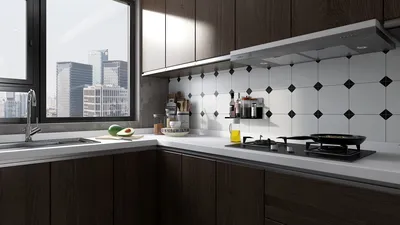


I once almost lost a client due to a galley kitchen design — we removed an expensive tile backsplash only to discover the true issue was inefficient workflow. After a weekend filled with multiple drafts and too many takeout meals, we redesigned the flow rather than the finishes. From that close call, I realized that clever small kitchen solutions outperform flashy renovations.
Here, I’ll provide 5 practical ideas tailored for galley kitchens to save space and make cooking enjoyable again. These are realistic solutions, not just Pinterest aesthetics, effective whether you’re on a tight budget or planning a complete remodel. Using room layout mockups, including those from Homestyler, helped me convince clients quickly.
1. Install seamless countertops and handleless cabinetry
Why it works: A continuous countertop visually expands the confined galley corridor, while handleless cabinets reduce visual noise and avoid snagging. Benefits include a cleaner appearance, smoother movement, and fewer collisions when multiple people cook. Trade-offs: Handleless designs usually carry higher costs and require precise installation, so expect slightly elevated cabinetry expenses and occasional tweaks.
2. Position the sink on one side and cooking appliances on the opposite side (true galley work triangle)
Why it works: Separating prep and cooking zones along opposing walls establishes a linear workflow and avoids crowding. Benefits include efficient food preparation and safer navigation during busy times. Trade-offs: Proper ventilation and range hood placement must be thoughtfully planned; I often utilize kitchen planners like Homestyler to map duct runs to prevent hidden costs.
3. Utilize tall storage units and pull-out pantries
Why it works: Vertical storage maximizes underused space and keeps counters free of clutter. Benefits include easy access to staples and appliances without increasing kitchen width. Trade-offs: Tall or deep units can be expensive and require organization strategies to prevent lost items; pull-out shelves are particularly useful to justify the investment.
4. Opt for slim appliances and multifunctional fixtures
Why it works: Narrow ranges, compact dishwashers, and two-in-one appliances save precious inches in a galley kitchen. Benefits entail maintaining full functionality with a smaller footprint and often reduced energy consumption. Trade-offs: Specialty appliances might have higher prices and sometimes come with fewer features or reduced capacity.
5. Enhance visual spaciousness with lighting and reflective surfaces
Why it works: Installing under-cabinet lighting, choosing low-contrast backsplashes, and applying glossy finishes push the kitchen walls outward visually. Benefits include a brighter, more spacious feel without structural renovation. Trade-offs: Reflective surfaces are prone to showing smudges easily and require frequent cleaning to maintain effect.
Imagine entering your galley kitchen and seeing a bright, uninterrupted countertop with hidden storage, a clear path to the stove, and everything within easy reach — that’s the goal. If you like, I can create a quick layout using Homestyler for you to preview measurements and appliance placement before committing.
Next step: try free digital plans or mockups like those offered by Homestyler to verify dimensions and appliance fit — it’s the most cost-effective method to avoid errors like the tile misstep I once made.
FAQ
Q: What is the typical cost of a galley kitchen remodel?
A: Costs vary significantly. A simple refresh involving paint, hardware, and lighting can cost a few thousand dollars; a mid-level renovation with new cabinetry and countertops might range between $15,000 and $35,000; a full gut remodel with layout modifications and custom cabinets can be higher. It's best to obtain local quotes and focus on workflow upgrades for the best value.
Q: Can I maintain a galley layout while opening the space?
A: Sometimes, yes. Removing walls can help but often exceeds budget if structural. Testing small openings or pass-throughs first is advisable to keep costs manageable.
Q: Are slim appliances worth the investment?
A: Definitely, especially in compact galley kitchens — they save vital inches while preserving utility. The downsides include higher costs and slightly lower capacity in some models.
Q: How can I make a galley kitchen feel larger on a budget?
A: Emphasize lighting: paint walls light colors, add under-cabinet LEDs, and install simple reflective backsplashes. Decluttering and incorporating tall storage also create immediate spaciousness with minimal expense.
Q: What cabinet finish works best for a galley kitchen?
A: I prefer matte or low-sheen handleless cabinet fronts for durability and ease of maintenance, paired with glossy backsplashes to add visual depth. Industry standards highlight durability for frequently used surfaces.
Q: How can ventilation be improved in a tight galley?
A: High-efficiency, low-profile range hoods or downdraft systems work well when ducting is limited. Planning duct runs early during the design phase, often with Homestyler, helps avoid costly retrofits.
Q: Is hiring a professional designer worthwhile for a small galley kitchen?
A: In most cases, yes. Designers help prevent expensive mistakes, improve flow, and prioritize investment areas. Clients often save time and money by avoiding poor appliance placement and inefficient storage setups.
Q: What long-term upgrades add resale value in 2026?
A: Buyers still value layouts promoting efficiency, good lighting, and durable finishes. Smart, energy-efficient appliances and a clear work triangle increase value beyond just decorative tiles. Documenting improvements and layouts benefits future sellers.

Homestyler offers an easy-to-use online design tool packed with 3D renderings, inspiring interior projects, and helpful DIY video tutorials. It’s perfect for anyone looking to create and visualize stylish home designs effortlessly. Give your space a fresh look with Homestyler today!
立即免费设计
































