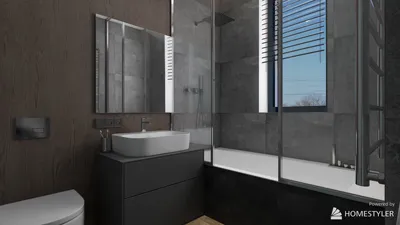


I once worked with a client looking to fit a complete laundry setup, a king-size bed, and a workspace into a 250 sq ft mobile home — it seemed impossible at first, but after sketching a creative solution, I realized that small spaces require clever decisions. This experience taught me that with the right DIY approach, even the limitations of a mobile home can be transformed into functionality and charm. I began using my preferred room planner, Homestyler, to visualize layouts before making any purchases, which significantly reduced unnecessary trips to the store.
1. Space-saving furniture with intelligent hardware choices
I’m a fan of versatile furniture like sofas that can convert into guest beds or tables that fold up against the wall — but the key lies in selecting the right hardware. Replacing standard bolts with longer carriage bolts and opting for durable folding brackets rated for heavy use increases flexibility. The downside is a minor learning curve if you're required to drill into metal frames, but the benefits are worth it.
save pin
2. Maximizing vertical space with cost-effective modular solutions
Using vertical shelving can convert wasted height into usable storage without limiting walking space. Affordable slotted uprights and clip-in shelves are excellent choices — they're inexpensive, adjustable, and easy to install. Just ensure that the anchors you select are suited to your wall composition; mobile homes frequently feature thinner studs, making toggles or molly bolts a small investment worth making.
save pin
3. Efficient kitchen solutions focusing on supplies
In compact kitchens, I recommend items like pull-out pantry rails, under-sink organizers, and magnetic knife strips: small investments that yield a significant impact. During a recent renovation of a galley kitchen, choosing slim models for appliances and the right supply pieces allowed the area to feel far more organized. Visualizing options can be made easier with Homestyler's kitchen layout planner, which helps in planning cabinet dimensions and clearances.
save pin
4. Basic plumbing and electrical upgrades for DIYers (with caution)
Simple upgrades like changing faucets, installing low-flow showerheads, or swapping outlets for ones that include USB ports can significantly enhance comfort at a low cost, provided you possess the necessary skills. Always remind clients to familiarize themselves with local codes since older mobile homes may contain outdated systems, and it's wise to allocate a small contingency for unexpected fittings. These updates lead to modern conveniences, but patience is essential when dealing with tricky fittings in tight spaces.
save pin
5. Floor and zoning strategies for enhanced spaciousness
Selecting uniform flooring and meticulously planning clear walking areas can create the illusion of a larger mobile home. I always draw up zone plans before purchasing flooring materials — this straightforward approach minimizes waste and ensures that I select the correct quantities of underlayment and thresholds. When rapid 3D concept demonstrations are necessary, I rely on examples from Homestyler to check sightlines; while not flawless, it helps prevent buyer’s remorse post-purchase.
save pin
FAQ
Q1: What are the essential supplies for a DIY mobile home refresh?
Start with a variety of fasteners, multi-tool blades, quality toggle anchors, paint, and weatherproof sealant. These essentials will help handle most minor repairs and allow you to experiment with larger projects without full commitment.
Q2: Is it feasible to replace flooring in a mobile home myself?
Yes, it’s definitely possible with adequate preparation: measure accurately, select underlayment that matches your subfloor, and purchase a bit more than needed just in case of mistakes. Floating floors are typically the easiest option for DIY novices.
Q3: How should I approach lighting supply selection for small spaces?
Focus on layered lighting strategies including overhead LEDs, task lighting, and dimmable fixtures. Low-profile, energy-efficient LED panels are ideal as they conserve space and minimize heat, but be sure to verify fixture sizes before ordering.
Q4: Are there particular safety codes I should consider?
Absolutely! Electrical and gas work often necessitate permits and inspections based on local regulations. If you're unsure, it's best to consult your local building department or hire a certified professional to avoid expensive rework.
Q5: What is an affordable method to enhance insulation or thermal comfort?
Using reflective window films, door sweeps, and insulated curtains can be both budget-friendly and effective. For walls, consider temporary foam insulation panels in trouble spots where permanent retrofits aren't feasible.
Q6: How can I effectively budget supplies for a complete mini-renovation?
Divide the project into phases: begin with essentials like safety, plumbing, and electrical work, followed by comfort-related tasks such as kitchen upgrades and flooring, and finishing with aesthetics like paint and decoration. I generally suggest a 10-15% cushion for unforeseen issues common in older mobile homes.
Q7: Where can I find trustworthy information regarding manufactured housing standards?
You can check reliable sources like the U.S. Department of Housing and Urban Development for guidance on manufactured housing (see https://www.hud.gov). Their website provides comprehensive information on construction standards and consumer advice for mobile and modular homes.
Q8: Is it possible to use standard home hardware in mobile homes?
In many cases, yes, but be sure to check size and weight ratings: due to thinner walls and lighter framing, it's essential to select anchors and brackets that can accommodate the load. When in doubt, opting for slightly over-specified hardware can help prevent future issues — a small investment can save major troubles down the line.
save pin
Discover the magic of home design with Homestyler! This user-friendly platform offers an intuitive online design tool, stunning 3D renderings, inspiring design projects, and helpful DIY video tutorials. Transform your ideas into reality effortlessly and elevate your space today!
Concevez maintenant gratuitement
































