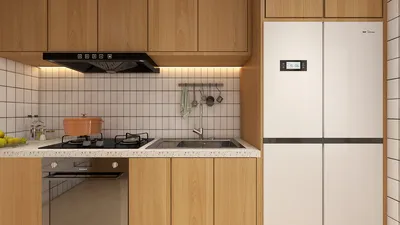


A client of mine once requested a disco ball to hang over their narrow kitchen island, which got me thinking about how to make such a space work functionally and aesthetically. This quirky request inspired me to design corridors that feel more spacious, and I ended up creating layouts that astonished both of us by their livability. If you're working with a long, narrow kitchen, these clever design suggestions will help you leverage its linear nature to create a stylish environment, while utilizing tools like Homestyler to visualize your ideas.
1. Split Galley: A Strategic Divide
I often favor a split galley layout for elongated kitchens. Picture two parallel cabinetry lines with a central aisle that introduces a change in rhythm in the design. In one instance, I designed a cozy breakfast nook between the cabinetry runs, which made the area feel intentional and alleviated the monotony of the long kitchen. Using Homestyler, you can see how this configuration would both enhance usability and create visual interest.
By adopting this method, you enhance workflow while keeping plumbing and appliances organized; however, it's vital to maintain at least 42–48 inches of clearance for ease of movement. This approach is also budget-friendly since it makes use of the existing linear space, albeit at the cost of a bit of open-plan camaraderie.
save pin
2. Long Island with Offset Seating
An extended island can serve as the backbone of a long kitchen, with counter seating positioned off to the side to maintain flow. I once created a narrow island that functioned for meal prep, casual dining, and even homework sessions — thus maintaining a social atmosphere without expanding the overall space. Utilizing Homestyler can help you explore how different configurations impact the functionality of your kitchen.
This option offers multi-functionality and visual harmony; however, it's essential to keep the space around the island unobstructed, ideally with walkways of at least 36 inches when space is tighter, and wider if multiple cooks are involved. For those on a budget, a peninsula can provide the same benefits at a lower expense.
save pin
3. Vertical Zoning with Height and Material
Long kitchens benefit significantly from vertical zoning: lower storage for food prep, taller units for pantry items and ovens, and open shelving for decorative displays. I generally recommend a continuous low section for appliances paired with a tall storage wall at one end. This approach draws the eye to a focal point, helping the space feel less elongated. Utilizing Homestyler allows you to experiment with these zoning variations easily.
Implementing different colors or materials can further clarify the function of various zones and create a cohesive design; however, opting for too many finishes can lead to visual clutter — aim for 2-3 materials for consistency. If you're unsure about the arrangement, Homestyler can provide examples of functional cooking zones to visualize different setups beforehand.
save pin
4. Integrated Storage Wall for Optimization
When floor space is at a premium, I often recommend a continuous storage wall along one side of the kitchen. Utilizing tall cabinets, hidden appliance garages, and integrated drawers keeps your kitchen organized and tidy. In a recent project, I transformed upper cabinets into a mix of closed storage and long horizontal options to lower visual bulk and create a sense of height in the ceiling. This method maximizes storage and facilitates easier cleaning, which can be further enhanced by using reflective backsplashes or glass fronts. Adding slim, open niches can break up the mass and provide attractive display options.
save pin
5. Multi-Functional Peninsula as a Space Divider
In instances where a long kitchen connects to a living or dining area, a peninsula can effectively create a subtle division while adding prep space and seating. I developed a U-shaped area featuring a peninsula that included the cooktop and a casual bar, providing separation without compromising views to the rest of the home.
While the peninsula acts as a hub for social interaction, careful appliance placement is crucial to prevent traffic issues. Consider placing the prep area or sink there while keeping the cooktop on the main run. To communicate the scale and flow effectively to clients, I frequently create quick models and utilize 3D rendering tools like Homestyler to help them visualize the space before construction begins.
save pin
FAQ
Q1: What layout is most suitable for a long, narrow kitchen?
I typically advocate for either a split galley or a long island configuration based on the circulation space available and whether the kitchen is more enclosed or connected to living areas. Both of these layouts emphasize efficient work triangles, ensuring everything is within easy reach.
Q2: What is the recommended width for the main aisle?
For a single cook, a comfortable minimum is 42 inches; for multiple cooks, aim for 48 inches. These clearances ensure doors and drawers operate smoothly without obstructing movement.
Q3: Is it feasible to include seating in a long kitchen?
Absolutely — offset seating on an island or a narrow banquette installed along one wall works wonderfully. Just ensure the seating area is slightly recessed so it doesn't disrupt the main workflow.
Q4: How can I prevent a tunnel effect in my kitchen?
To break the linearity, incorporate variations in height, color, or texture, and add focal points such as open shelving or windows; I often opt for lighter ceiling tones to create an airy feel. Additionally, mirrors or reflective backsplashes can enhance light flow through a long kitchen.
Q5: What are some clever storage solutions for long kitchens?
Implement deep drawers for pots, pull-out pantry systems, toe-kick drawers, and vertical dividers; a storage wall with cabinets at varying heights can effectively increase capacity without creating clutter. I suggest organizing storage according to the actual items you possess to avoid unnecessary cabinets.
Q6: What are cost-effective methods to refresh a long kitchen?
Refinishing cabinets, updating hardware, installing a new backsplash, or replacing countertops can dramatically enhance the room’s appeal without a full remodel. Repositioning lighting and adding under-cabinet LEDs is another impactful yet affordable approach that I frequently utilize.
Q7: Are there building code requirements for kitchen widths?
Indeed — local regulations and accessibility standards may stipulate minimum clearances; for instance, NKBA offers detailed recommendations on kitchen dimensions and walkways (check their guidelines at https://nkba.org). It’s crucial to consult with local building officials before finalizing any plans.
Q8: Should I hire a professional or attempt a DIY remodel for my long kitchen?
If plumbing, electrical work, or structural changes are involved, it’s wise to hire a professional to avoid costly errors. For cosmetic updates, you can manage a DIY project with careful planning and precise measurements. Personally, I find collaboration with homeowners invigorating; it fosters creativity and helps avoid surprises during the installation process.
save pin
Looking to elevate your home design experience? Homestyler offers an intuitive online design tool, stunning 3D renderings, and a wealth of inspiring design projects and DIY video tutorials. Whether you're a beginner or a pro, it's the perfect platform to bring your vision to life effortlessly!
Desain sekarang Gratis
































