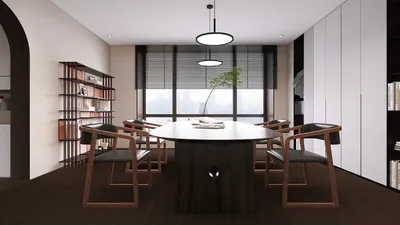


Once, I managed to fit a washer into a compact 3-foot closet because a client insisted it would work — it just barely did, leading to a rather unfortunate towel incident. This little mishap taught me that basements can stimulate clever solutions: tight spaces often inspire immense creativity. Visualizing your layout before making purchases can save you time, expenses, and perhaps even a necessity for a mop.
1. Stackable Units: Efficient and Sleek Design
Incorporating a washer and dryer that stack within a narrow closet or alcove is a timeless solution. This approach maximizes floor space for a folding counter or slender utility cabinet while keeping the machines discreetly hidden, enhancing the overall aesthetic.
The advantages are clear: a smaller footprint and reduced renovation expenses. However, the potential drawback lies in the necessity for proper venting and access panels for maintenance — I always advise clients that ensuring serviceability is worth a few additional inches.
save pin
2. Sink and Folding Counter Combination
Installing a shallow sink with a foldable counter above front-loading machines converts a cramped laundry area into a genuine workspace. I once revamped a basement where this setup doubled as a homework station during weekends — a hit with the family.
This arrangement offers a valuable preparation surface and a spot for hand-washing delicate items. It may add complexity to plumbing, so it’s wise to budget accordingly and consider prefabricated sink-cabinet modules to expedite the process.
save pin
3. Mudroom Laundry Space
Integrating a laundry space with a mudroom can be highly effective: including a storage bench, hooks for coats, and a tray for shoes. This is especially useful when the basement functions as a secondary entry point, significantly reducing clutter.
When assessing space-saving cabinetry, explore options for shallow cabinets and pull-out hampers that keep your area organized without obstructing traffic flow. A common guideline I follow is to maintain a clear path of 36 inches.
save pin
4. Compact Under-Stairs Nook or Vertical Configuration
Basements frequently have awkward spaces beneath stairs — perfect for a compact laundry nook. A vertical arrangement with open shelving above can utilize otherwise wasted areas while maintaining an airy atmosphere. I successfully fitted a full laundry setup into an L-shaped under-stair space and added a wall-mounted folding board — guests were none the wiser.
Be mindful of moisture and ventilation issues in confined spaces; a small exhaust fan or dehumidifier typically addresses these concerns, but it's an additional expense to consider.
save pin
5. Open Storage with Smart Appliances
Today’s smart washers and dryers can lower cycle times and energy consumption, and combining these with open shelving or pegboards keeps your detergents easily accessible. I prefer visible storage in basements as it discourages leaks from going unnoticed — allowing for early detection of issues.
Smart appliances may require a higher initial investment, but they often repay that cost in terms of convenience and efficiency. To quickly visualize placements and clearances, consider using a free floor planning tool designed for practical layouts, such as laundry workflow optimization with Homestyler.
save pin
Tips to Consider:
Budgeting tip: focus on proper ventilation, a service access hatch, and a solid drainage system — these elements can prevent headaches down the line. Investing in these areas can save significant trouble later. Additionally, opt for easy-to-maintain surfaces and organize detergents in labeled bins to keep the area looking tidy.
save pin
Frequently Asked Questions
Q1: What is the minimum space required for a basement laundry?
Most front-loading units can fit in a 3-foot-wide space, but I suggest allowing at least 36 inches of clearance for door swings and maintenance access. The depth should accommodate hoses and include a 2–3 inch gap behind the machines.
Q2: How can I avoid moisture issues in a basement laundry?
To combat moisture, ensure good ventilation, utilize a dehumidifier as necessary, and select moisture-resistant materials like tile or sealed plywood for lower cabinets. Regular monitoring of seals and hoses for leaks is crucial.
Q3: Are stackable units dependable in the long run?
Yes, as long as they are installed on a level, reinforced base and undergo regular servicing. While stacked machines might be a bit noisier and more challenging to maintain, planning for access panels and using anti-vibration pads can mitigate these issues.
Q4: Should I include a utility sink in my basement laundry?
I recommend including one if your budget allows — it’s extremely useful for hand-washing, pet care, and cleaning. If plumbing poses a challenge, a portable sink or a pull-out faucet above the counter can serve as a practical alternative.
Q5: How should I design a combined mudroom and laundry area?
Focus on ease of movement: ensure a 36-inch clear pathway, a bench that's at least 18 inches deep, and wall hooks placed at varying heights. Incorporate bins for shoes and ventilated cabinets for wet items.
Q6: Do smart washers offer cost savings?
Numerous efficient models can cut down on water and energy consumption. According to ENERGY STAR, certified washers can use up to 25% less energy and 33% less water compared to standard units, which accumulates savings over time (source: https://www.energystar.gov).
Q7: Which materials are best for laundry counters in a basement?
Select waterproof, low-maintenance materials: laminate with a waterproof core, solid surface materials, or sealed butcher block for a touch of warmth. Keep edges simple to prevent dust accumulation.
Q8: Can I design a basement laundry on my own?
Certainly — with careful measurements and a straightforward plan, you can create layouts and choose functional storage options. For precise spatial adjustments, using a visualization tool or a simple floor plan can help you avoid expensive mistakes.
save pin
Homestyler is your go-to online home design platform! With its user-friendly design tool, stunning 3D renderings, and a wealth of DIY video tutorials, you can effortlessly transform your space and bring your creative visions to life. Start designing today!
立即免费设计
































