

Selecting the appropriate window sizes transcends mere appearance; it significantly influences daylight access, comfort levels, and overall room functionality. I evaluate window dimensions from three perspectives: spatial balance, light efficacy, and practical limitations such as building codes, privacy needs, and furniture arrangements. The WELL Building Standard advocates for designs that prioritize daylight autonomy and views, with studies illustrating that visual access to daylight correlates with enhanced satisfaction and cognitive efficiency (WELL v2, Light & Mind concepts). According to research by Steelcase, access to natural lighting and views promotes greater wellbeing and engagement in workspace environments, insights that are equally applicable to home offices and living areas, underscoring the importance of appropriate window height and width in unlocking these advantages.
The quantity and quality of light are as critical as window dimensions. The Illuminating Engineering Society (IES) recommends ideal illuminance levels of approximately 300–500 lux for general tasks, with specific needs reaching up to 750 lux for detailed work depending on circumstances (IES lighting guidelines). Furthermore, maintaining a balance between glazing area and shading is essential to prevent glare and contrast issues that negatively affect visual comfort. Insights on color psychology from Verywell Mind indicate that the perceived brightness of a space is impacted by the color of surfaces—lighter finishes tend to reflect more daylight, enhancing the impact of window size.
Familiarize Yourself with Standard Window Dimensions and Proportions
Most standard windows are designed around modular increments: widths usually range from 18 to 72 inches in 6-inch intervals, and heights span from 24 to 72 inches in similar increments. Single-hung and double-hung windows typically range from 30 to 36 inches wide; casement windows commonly extend from 18 to 36 inches wide with a taller profile. For picture windows, widths can reach from 48 to 96 inches, offering expansive views. For bedrooms, balanced proportions (for instance, a 36×60-inch double-hung window) accommodate both egress and furniture arrangements effectively. In living rooms, combining two 36×72-inch casements or a 72×60-inch picture window with side vents can offer a broad view while ensuring proper ventilation.
Align Window Size with Room Functionality
Living rooms thrive with wider openings and lower sills (16–24 inches above the finished floor) to enhance outward views; in contrast, bedrooms typically require more controlled sill heights (24–30 inches) for privacy and headboard positioning. For kitchens, horizontal sliders or casement windows that are approximately 30–48 inches wide at sill heights of 36–42 inches work well to accommodate countertops. In home office settings, I focus on window configurations that provide views without causing glare on screens—narrow vertical windows (24–30 inches wide, 60–72 inches tall) positioned beside the desk, rather than right in front, can maximize sightlines while minimizing contrast.
Light, Glare, and Window Orientation
Window orientation plays a crucial role in determining the ideal sizes. North-facing windows can safely be larger without concerns about heat gain; east and west orientations necessitate moderation or layered shading solutions to address low-angle glare. South-facing windows can be expansive in most climates if complemented with overhangs and operable shades. The IES recommendations for glare control and balanced luminance are pivotal in making size decisions: it’s important to consider not just the glass area, but also how incoming daylight interacts with various surfaces. Opting for matte finishes, mid-tone wall colors, and ceiling reflectance exceeding 80% can help distribute light evenly, allowing for slightly smaller windows to feel well-lit.
Window Height and Sill Decisions
The height of window heads typically aligns with door heads (80–84 inches) for visual uniformity. In spaces with ceilings measuring 9–10 feet, raising heads to 90–96 inches can elongate the room and enhance daylight flow. The choice of sill height depends on usage: lower sills invite seated views and increase daylight depth, while higher sills are beneficial for privacy and can accommodate furniture beneath them. For safety purposes, verify local building codes regarding guard requirements when sills are positioned below certain heights.
Egress and Building Code Requirements
Bedrooms are generally required to have an egress window with a minimum net clear opening; while specific regulations vary by locale, a common requirement is about 5.7 square feet for upper floors, including minimum dimensions for both height and width, along with a sill positioned beneath a specific height from the floor. Always check local codes, but planning ahead is crucial: egress window sizes will affect your furniture layout and the height of walls.
Glass, Frames, and Energy Efficiency
Larger windows can lead to significant heat gain or loss if efficiency is not prioritized. It’s essential to match window sizes with glazing that suits your local climate: low-e coatings, double or triple glazing, and thermally broken frames contribute to maintaining an efficient building envelope. In colder regions, a higher solar heat gain co-efficient (SHGC) can be beneficial on south-facing walls, while in warmer areas, a lower SHGC should be prioritized to minimize heat. Acoustic laminated glass is effective for reducing urban noise without limiting window size. Sustainable options like FSC-certified wood frames or recycled aluminum profiles are also compelling choices.
Privacy, Views, and Behavioral Patterns
The strategic placement of windows dramatically influences how individuals engage with a room. I aim to align openings with focal points—such as gardens, city skylines, or internal courtyards—and consider employing clerestories or high windows where privacy is essential. For bedrooms located on busy streets, tall, narrow windows can maintain daylight while obstructing direct views. In bathrooms, using frosted or textured glass allows for modestly increasing window size without sacrificing privacy.
Balancing Window Space with Wall Functionality
Windows must compete with storage and furnishing needs. In smaller rooms, clustering windows on a single wall helps ensure other walls can accommodate wardrobes, shelving, or entertainment units. For larger areas, distributing windows is key to avoiding glare hotspots. When designing a wall that will feature a bed or sofa, it’s vital to ensure sill heights and widths don’t create awkward offsets for furniture. A quick assessment with an interior layout tool can help verify clearances, traffic flow, and sightlines, making platforms like Homestyler invaluable for room design.
Unique Window Types and Their Dimensions
• Clerestory: Typically 12–24 inches in height, designed to allow daylight without compromising privacy. • Corner windows: Combine two standard units, ensuring structural support allows for minimal mullion widths. • Window walls: Utilize stackable systems sized by module; maintain operable sections for ventilation. • Bay/Bow windows: Recommended depth of 12–24 inches with operable flanks; consider seat height and alignment. • Transoms: Ranging from 12–18 inches tall, these are positioned above doors to enhance daylight entry.
Color, Materials, and Visual Cohesion
The psychology of color affects perception: cooler shades and light neutral tones can make smaller windows appear more expansive by improving reflectance and reducing visual distractions. Dark frames can accentuate the window edge and highlight views, while lighter frames create a seamless look with the wall. Maintaining a rhythmic design ensures that head heights are consistent, mullions align with door frames, and spacing is proportional, making the windows part of a unified aesthetic.
Practical Window Sizing Tips I Regularly Employ
• Begin with function: map out seating, beds, desks, and storage wall placements in advance. • Target a window-to-wall ratio of 20–40% for living areas in temperate climates, adjusting according to orientation and shading. • Use paired narrower windows instead of one large opening when glare or privacy are issues. • Align window heads consistently throughout the room for visual tranquility; vary sill heights to accommodate functional needs. • Conduct tests for daylight and glare using basic simulations or seasonal sun studies—window size is only part of the entire equation.
Frequently Asked Questions
Q1: What is a suitable standard window size for a bedroom?
A: A commonly versatile option is approximately 36×60 inches for double-hung windows or 30×60 inches for casements, adjusted in accordance with local egress regulations and privacy requirements.
Q2: How should I determine window sizes for a living room?
A: Focus on wider windows or groupings—consider combinations like two 36×72-inch casements or a 72×60-inch picture window with operable sections—maintaining a balance between views, ventilation, and glare through effective shading measures.
Q3: What sill height is ideal behind a sofa or bed?
A: Sills should ideally be maintained between 24–30 inches to clear the back heights of furniture while still allowing for seated views and daylight access.
Q4: How does window orientation affect sizing?
A: North-facing windows can be larger without worrying about heat gain; southern windows can be generous if paired with shading solutions; east and west orientations should be moderated or supplemented with substantial shading to manage low-angle glare.
Q5: What is the preferred lux level near windows for various tasks?
A: For routine tasks, targeting a lux level of 300–500 is recommended per IES standards; complementing daytime lighting with ambient and task illumination helps maintain consistency.
Q6: Are tall narrow windows the best for home offices?
A: Generally yes. Vertical windows positioned beside desks decrease glare while allowing for views, typically measuring 24–30 inches wide and 60–72 inches tall.
Q7: How do I choose among double-hung, casement, and sliding windows?
A: Casement windows provide excellent sealing and airflow, double-hungs are suited for traditional aesthetics offering flexible ventilation options, while sliding windows are ideal in tight spaces, albeit with varying size possibilities—each adhere to standard modular sizes.
Q8: What should I consider regarding energy efficiency for larger windows?
A: Supplement larger window dimensions with low-e glazing, an appropriate SHGC suited to your climate, and thermally broken frames to minimize heat transfer; consider laminated glass for sound insulation in busy areas.
Q9: How do color and finishes affect the perceived size of windows?
A: Light, matte wall colors enhance reflectance, intensifying daylight impressions; dark frames delineate views, while light frames integrate with surroundings and can create a subtler visual experience.
Q10: Is it possible to increase window area while maintaining privacy?
A: Absolutely—utilizing clerestories, elevated windows, frosted glass, or positioning windows to avoid direct sightlines can achieve this; layering with external screens and interior shade solutions can enhance privacy.
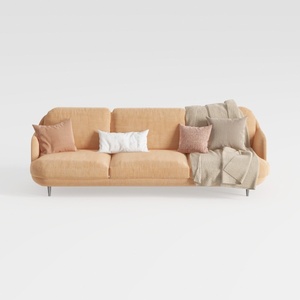

Modern Minimalist Peach Fabric Sofa with Throw Pillows and Blanket 3D Model
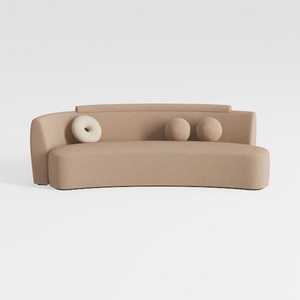
Yozma Curved Chenille Sectional Sofa Beige, Dual D
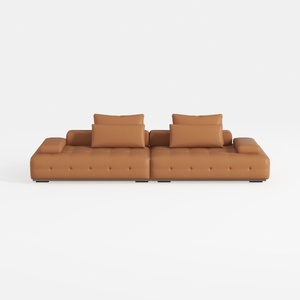
Modern Tufted Leather Oversized Sectional Sofa 3D Model
Looking to transform your space? Homestyler offers an intuitive online design tool paired with incredible 3D rendering capabilities. Explore a variety of design projects and enhance your skills with engaging DIY video tutorials. It's the perfect platform to turn your home design dreams into reality!
Desain sekarang Gratis
































