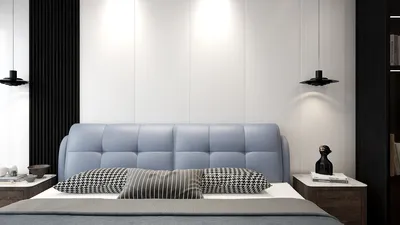


Selecting the ideal split AC for a compact room transcends mere tonnage; it involves a careful balance of thermal load, acoustics, airflow, and overall comfort levels. For spaces under 180 square feet, I focus on accurate capacity, quiet performance, and intelligent zoning mechanisms to prevent short cycling and ensure consistent temperatures.
Evidence-Based Sizing: Capacity and Load
In most small bedrooms or home offices (ranging from 100 to 180 sq ft), a split unit with a capacity of 0.8 to 1.0 ton (9,000 to 12,000 BTU/h) usually provides optimal performance, particularly when the room features standard insulation and a single exterior wall. The WELL v2 framework recommends maintaining thermal comfort at operative temperatures between approximately 23 and 26°C during the cooling seasons, emphasizing controllability and minimal drafts (less than 0.2 m/s). This highlights the importance of utilizing right-sized equipment to avoid unnecessary overcooling. Steelcase's research has illustrated a direct correlation between personal environmental control and enhanced individual performance, suggesting that combining adequately sized systems with user-adjustable settings can significantly boost comfort.
WELL v2 sets forth guidelines for thermal comfort, encompassing air temperature, humidity, and noise levels, while Steelcase's findings demonstrate how significantly environmental control influences focus and productivity.
Room Conditions That Change the Math
While the area of a room serves as a foundational metric, I also consider factors such as solar gain, occupancy levels, equipment loads, and the quality of the building envelope. Rooms with west-facing windows, single-pane glazing, and high electrical usage from devices like gaming PCs or multiple monitors may require more than 1.0 ton for a 120 sq ft space. Conversely, shaded rooms that boast good insulation can be adequately cooled with units in the range of 0.75 to 0.9 ton. A general rule is to increase capacity by 10 to 20% if the room has large south or west-facing windows or encounters prolonged heat from equipment. It's crucial to maintain indoor relative humidity between 40% and 60% for optimum comfort, as endorsed by WELL v2 to prevent dryness and the proliferation of microbes.
Airflow, Throw, and Placement
Achieving uniform cooling in small rooms hinges on the distances that air can throw and the configuration of diffusers. I typically direct the indoor unit’s airflow across the longest dimension of the room to mitigate stratification and eliminate cold spots for the occupants. It’s essential to keep a clearance of 7 to 10 inches above the head unit and position it away from sleeping area pillows or seated workspaces to avoid uncomfortable drafts. If space constraints are severe, you might want to use an interior layout planner that allows for simulating unit placement along with furniture interaction using a tool like Homestyler.
Noise and Acoustic Comfort
Maintaining low sound levels is critical in small bedrooms and study areas. An acceptable benchmark is sound pressure levels of ≤19 to 24 dB(A) for the indoor unit operating at low fan speed, and ≤48 to 52 dB(A) for the outdoor unit measured at a distance of one meter. The WELL v2 acoustic criteria promote minimizing disruptive background noise; additionally, I endorse inverter technology to lower tonal peaks and reduce cycling noise.
Energy Efficiency: Inverters, SEER, and Controls
In compact spaces, inverter-driven split ACs are advantageous as they adjust their capacity based on the load, reducing overshoot while managing humidity. For long-term cost efficiency, look for high SEER and EER ratings aligned with your region’s testing standards. Smart thermostats equipped with adaptive algorithms enhance stability by learning occupancy patterns, which is particularly beneficial in home offices where energy demands fluctuate throughout the day. Evidence from Steelcase supports the premise that granular control enhances comfort levels and task engagement.
Humidity and Indoor Air Quality (IAQ)
Cooling without addressing humidity can lead to an uncomfortable, clammy atmosphere. Therefore, I specifically seek out models featuring dedicated dry modes and multi-stage fans that maximize coil contact time for effective latent heat removal. Ensuring filters are easily accessible for monthly maintenance is crucial; blocked filters can drastically cut down airflow and escalate energy consumption. Supplementing the split AC with a low-noise ERV or scheduling window ventilation can help maintain CO2 levels below 1000 ppm during work sessions.
Color, Light, and Thermal Perception
The interplay of color psychology and lighting significantly alters perceived temperature. Utilizing cooler shades (like soft blues and greens) and lighting at 4000 to 5000K can create a fresher ambiance, whereas warmer color temperatures (2700 to 3000K) offer a cozier feel—an approach particularly beneficial for sensitive individuals. It’s also important to manage glare to prevent thermal discomfort; the lighting guidance from WELL v2 champions balanced illumination and glare reduction, indirectly decreasing complaints about hot or cold spots induced by visual strain.
Installation: Lineset, Condensate, and Service Clearance
When it comes to small rooms, it’s vital to keep the lineset runs short and well-insulated to minimize capacity loss. Ensuring that the condensate drain slopes adequately with a trap located where necessary is crucial; I recommend maintaining at least 12 to 18 inches of service clearance around the indoor unit along with convenient access to the filter panel. Outdoor units should be elevated, shielded from direct sunlight, and situated on vibration-dampening pads to curtail structure-borne noise.
Best Fit Scenarios by Room Type
- Small bedroom (110–150 sq ft): Utilize an inverter AC unit of 0.8–1.0 ton with a sound level of ≤22 dB(A), including a dry mode and sleep profile, alongside a gentle swing pattern to prevent drafts reaching the bed.
- Compact home office (100–140 sq ft): A 0.8–1.0 ton unit equipped with enhanced filtration (MERV-equivalent prefilter), a smart thermostat, and low-flicker task lighting ensures optimal thermal comfort.
- Sunroom or west-facing den (120–180 sq ft, high solar gain): A capacity of 1.0–1.2 tons paired with low-e glazing or thermal shades and humidity management systems is essential to prevent condensation on cooler surfaces.
Maintenance for Efficiency
Regular maintenance, including quarterly filter cleanings, annual coil inspections, and checking refrigerant levels along with condensate routing, is key to stable performance. I also confirm dust buildup on the fan wheel—small rooms tend to recirculate more fibers and particulates.
Purchasing Checklist
- Capacity: Choose between 0.8 and 1.2 tons based on load conditions and insulation.
- Noise: Aim for ≤24 dB(A) indoors on low; ≤52 dB(A) outdoors.
- Efficiency: Prioritize units with inverter compressors and high SEER/EER ratings.
- Comfort enhancements: Dry mode, multi-speed fan, and gentle swing patterns.
- IAQ: Filters should be accessible; consider options for introducing fresh air.
- Controls: Look for smart thermostats or built-in scheduling features.
- Installation: Insure lineset is short and insulated, ensure condensate management, and provide adequate service clearance.
- Warranty & Service: Seek units with easy access to parts and reliable local support.
FAQ
Q1: What is the optimal tonnage for a 120 sq ft bedroom?
Typically, a 0.8–1.0 ton inverter split is well-suited, but you should adjust based on window orientation and insulation quality.
Q2: How can I minimize drafts in a small room?
Position the indoor unit to project along the room’s longest dimension, utilize lower fan speeds at night, and employ a gentle swing function to disperse airflow away from sleeping or working areas.
Q3: Is investing in a higher SEER worth it in smaller rooms?
Absolutely, especially for inverter models. Smaller spaces can cycle more frequently; efficient modulation significantly cuts energy use and enhances humidity regulation.
Q4: What level of indoor noise should I strive for?
Aim for ≤19–24 dB(A) on low settings for bedrooms, which helps maintain background noise levels below disruptive thresholds and aligns with acceptable acoustic comfort standards.
Q5: Do smart thermostats genuinely enhance comfort?
They certainly can. Through adaptive scheduling and occupancy learning, they stabilize temperature settings. Research from Steelcase confirms that better environmental control correlates with increased individual comfort and productivity.
Q6: How do I manage excessive humidity in the summer months?
Employ the dry mode, maintain appropriate fan speeds for effective coil contact, and aim for relative humidity around 40 to 60%. If humidity remains high, consider implementing a standalone dehumidifier or periodic ventilation.
Q7: Where should I place the outdoor unit in urban settings with limited space?
Position it on vibration-damping pads, protected from direct sunlight, ensuring clear airflow and service access. Steer clear of enclosed spaces that may trap hot exhaust air.
Q8: Should small rooms incorporate fresh air systems?
Incorporating fresh air can be beneficial during extended work or sleep periods. Utilizing an ERV or opting for scheduled window ventilation can help maintain CO2 levels close to or below 1000 ppm, enhancing alertness.
Q9: How do I address high heat from gaming equipment and multiple screens?
Increase capacity by 10 to 20% to compensate for the heat generated by equipment and consider implementations for dedicated cable management to ensure airflow remains unobstructed.
Q10: How frequently should I clean my filters?
Monthly if in dusty conditions; quarterly otherwise. Regular cleaning optimizes airflow, reduces energy consumption, and improves indoor air quality.
Q11: Is concealed piping more advantageous than exposed piping?
Concealed linesets provide a cleaner appearance and reduce the likelihood of damage, but it’s crucial to maintain the integrity of insulation and gentle bends to avoid capacity loss.
Q12: Can the color temperature of lights influence perceived cooling in a room?
Indeed. Cooler color temperatures (between 4000–5000K) and lighter wall colors can create a perception of freshness, whereas warmer temperatures add coziness—this can be instrumental in adjusting perceived comfort levels.


Acme Vendome Faux Leather Tufted Dining Side

Minimalist Solid Oak Fabric Upholstered Armchair 3D Model

Homestyler is your go-to online home design platform! With its user-friendly design tool, stunning 3D renderings, and a plethora of DIY video tutorials, transforming your space has never been easier. Unleash your creativity and elevate your home design experience today!
تصميم الآن مجانا
































