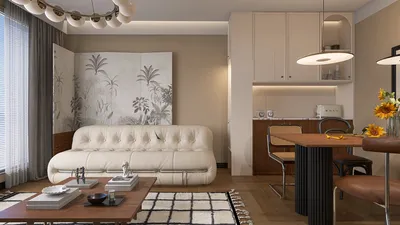


When selecting an appropriate room heater, it’s crucial to concentrate on factors such as efficiency, safety, and comfort rather than just the lowest price tag. I've recommended heaters for various environments, including homes, studios, and compact offices, where performance is vital—particularly in smaller spaces with differing insulation and power limitations.
Understanding energy consumption and heat output is essential. A standard 1500W electric heater typically uses around 12.5 amps on a standard 120V outlet, which may reach the limits of many living spaces, making circuit loading an essential consideration for safety and optimal performance. According to research by Steelcase, maintaining thermal comfort significantly impacts work productivity and satisfaction; even minor temperature changes of 2–3°F can affect concentration and fatigue levels. The WELL v2 Thermal Comfort guidelines highlight the importance of keeping operational temperatures within the 68–75°F range for occupant comfort, with localized control options enhancing the overall experience. These concepts are practical and play a significant role in how you select and use your heater effectively.
In addition to temperature, factors such as acoustics and lighting subtly influence the overall experience. Fan-forced heaters can create noise that disrupts reading or phone conversations; research by Steelcase links background noise to cognitive load and perceived stress. Warm lighting can add to a space's coziness even when the temperature is constant, echoing the WELL v2 commitment to holistic comfort. For small rooms, strategic heater placement regarding seating and airflow is critical to ensuring that heat reaches occupants instead of accumulating near the ceiling, leading to wasted energy.
Affordable Room Heaters Below $30
For extremely small rooms or desk-side situations, low-wattage ceramic heaters (250–500W) provide focused warmth without overloading circuits. It's essential to look for features like tip-over protection, automatic shutoff to prevent overheating, and a solid base. Units with narrow bases or exposed heating elements should be avoided. While these heaters aren't suitable for warming a large living area, they are perfect for localized heating—ideal for a home office where you prefer warm feet while minimizing overall energy consumption.
Top Picks Under $50: Reliable 1500W Models
In this price category, you typically find fan-forced ceramic heaters equipped with adjustable thermostats and dual heat settings (commonly 900W/1500W). A programmable timer helps conserve energy by reducing output when the room is unoccupied. Look for units that feature a metal intake grill and cool-touch exteriors, especially important if you have children or pets. If your living room shares a 15A circuit with other electronics, utilize the 900W setting and position the heater to circulate air effectively throughout the main seating area, avoiding direct airflow at feet to reduce temperature discrepancies.
Under $75: Quieter, Safer Options with Enhanced Airflow
This price point offers models with improved fan noise levels, wider oscillation features, and superior thermostatic controls. Oscillation helps to evenly distribute heat without overheating any single area, while a lower decibel rating minimizes distractions during calls. If you tend to be sensitive to heat variations, consider models with ECO modes that automatically reduce wattage once the desired temperature is achieved, preventing excess heating.
Under $100: Silent, Steady Oil-Filled Radiators
Oil-filled radiators are perfect for bedrooms and quiet spaces since they're designed to operate silently. Though they warm at a slower pace, they provide consistent radiant and convective heat without significant noise. Use them at night with a moderately set thermostat to avoid too much heat buildup. Their thermal mass stabilizes temperatures, reflecting WELL v2 principles for enduring comfort. Ensure a clearance of 12–18 inches around these units to prevent heat traps and guarantee safe convection.
Under $150: Infrared and Panel Heaters for Focused Comfort
Infrared heaters emit direct radiant warmth towards users, making them beneficial for spaces with drafts or high ceilings. Panel heaters, whether wall-mounted or movable, ensure even heat distribution while maintaining a sleek appearance that keeps floor areas clear and minimizes tripping hazards. When installing, always consider wall clearances and avoid placing them near textiles. For complex furniture arrangements, employing a room design tool like Homestyler can significantly assist in determining proper heater locations and heat flow in relation to seating areas.
Over $150: Integrate Smart Controls for Energy Efficiency
Higher-end models come equipped with smart thermostats, occupancy sensors, and scheduling features. I prefer heaters that are compatible with existing smart-home systems, enabling you to pre-heat a space only when needed, keeping energy consumption predictable. In multi-room setups, localized heating devices outperform central heating solutions by allowing you to effectively warm a study area without needing to heat unoccupied spaces.
Sizing and Safety: The Essential Checklist
- Align wattage with room dimensions: approximately 10 watts per square foot is a useful guideline for insulated environments. Drafty areas may require more power or focused radiant heat aimed directly at users.
- Check circuit capability: running a 1500W heater on a 15A circuit leaves limited capacity; it's best to avoid simultaneous use with appliances like hair dryers or other power-hungry devices.
- Prioritize safety features: a tip-over kill switch, overheat protection, and a stable foundation are essential elements.
- Consider materials: refrain from placing heaters near low-ignition fabrics or untreated wood surfaces; using nonflammable mats is advisable if needed.
- Acoustic comfort: select quieter models for sleeping areas; fan noise exceeding ~45 dBA can interfere with sleep for sensitive sleepers.
- Maintain air quality: some heaters can dry out the air; consider adding a small humidifier to sustain relative humidity between 30–50%, in line with comfort standards.
Placement and Layout Considerations
To ensure effective heating, direct airflow across the seating area instead of allowing it to stagnate near walls. Steering airflow along a main circulation route enables heated air to mingle effectively without forming excessively warm zones. Balance radiant sources carefully: if large windows are present, position the heater accordingly to counteract any downdrafts. For compact spaces, a room layout planner like Homestyler allows you to experiment with configurations that respect clearance requirements while avoiding obstructing air intakes or exits. Keep cords off walkways, adhere to manufacturer guidelines for clearances, and avoid draping clothing over the unit for safety.
Ergonomics, Color, and Environment Behavior
Comfort encompasses more than just thermal dynamics. Warm color temperatures (2700–3000K) in lighting can enhance the perception of coziness, even at the same thermostat setting— research indicates that warm colors promote relaxation and warmth. A gentle light layer contributes to occupant comfort without overheating the room, thereby reducing energy usage. Behaviourally, having localized control contributes to user satisfaction; studies cited by WELL v2 underscore the importance of personal thermal regulation in promoting comfort.
Maintenance and Ensuring Longevity
Regular cleaning of dust from intake grills can boost performance and prevent odors; it's advisable to clean these components monthly during periods of heavy usage. Check cords for fraying or discoloration caused by heat. For oil-filled units, ensure they remain upright during storage and take care to avoid impacts that may create micro-leaks. An annual maintenance review ensures they remain efficient and quiet.
Authoritative References
Discover the WELL v2 Thermal Comfort standards for practical objectives and measurement techniques at the International WELL Building Institute. Steelcase's workplace research sheds light on how environmental conditions affect performance and satisfaction in real-world settings.
Frequently Asked Questions
Q1: How many watts do I need for a 150 sq ft room?
A1: A baseline of roughly 1500W should suffice for typical insulation. In well-sealed rooms, units rated at 1000–1200W may be adequate; drafty areas typically require radiant or infrared heating focused on occupants.
Q2: Which is better for bedrooms—fan-forced or oil-filled?
A2: Oil-filled heaters are quieter and deliver steadier temperatures, making them ideal for sleeping environments. Fan-forced models may provide faster heating but can introduce noise and disrupt thermal consistency.
Q3: Will using a space heater increase my electricity costs?
A3: Running a 1500W heater for 4 hours will consume about 6 kWh. According to your local electricity rates, you can track costs. Employing smart scheduling and lower wattage modes can significantly lower expenses.
Q4: Is it safe to use infrared heat around fabrics?
A4: Yes, as long as you adhere to recommended clearances. Always keep radiant panels and infrared devices away from draperies or furniture, and avoid placing items over them.
Q5: What safety features should I insist on?
A5: Non-negotiable features include a tip-over switch, overheat shut-off, cool-touch housing, and a sturdy base. Always verify UL/ETL listings and routinely check cords for issues.
Q6: How can I counteract dry air from heaters?
A6: Aim for a relative humidity of 30–50% with additional measures such as a small humidifier, introduce houseplants, and avoid overheating. Adjusting thermostat settings combined with warm lighting can maintain comfort levels.
Q7: What is the optimal heater placement for even coverage?
A7: Direct airflow across the main seating zone rather than towards walls. Maintain a clearance of 12–18 inches and ensure intakes are not obstructed; oscillation features can aid in effective air distribution.
Q8: Is it advisable to use a space heater alongside other appliances on the same outlet?
A8: It's unwise to run 1500W units on 15A circuits alongside other devices. Distributing appliances across different outlets and circuits will help prevent tripping and overheating.
Q9: Do heaters impact work in noise-sensitive environments?
A9: Indeed, fan noise can contribute to cognitive load; selecting quieter units for home offices or employing oil-filled radiators can help mitigate acoustic disruptions.
Q10: Are smart heaters worth the extra cost?
A10: Yes, especially if you plan to manage schedules or multiple heating zones. Features like occupancy sensing and setpoint control help minimize runtime waste while maintaining comfort.
Homestyler is your go-to online home design platform, perfect for anyone looking to unleash their creativity. With its user-friendly design tool, stunning 3D renderings, extensive design projects, and helpful DIY video tutorials, transforming your space has never been easier. Get started today!
Design Now for FREE
































