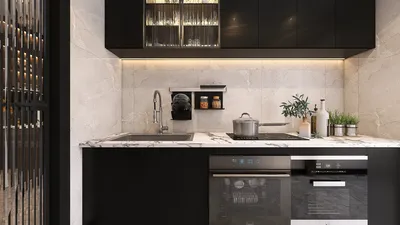


After specifying and installing numerous modular kitchens, I find that Hettich's basket systems offer reliable choices for durable storage solutions. However, pricing can often be unclear due to its dependency on factors such as width, finish, load rating, and type of guide. Here’s my practical guide to help you effectively match the right baskets with your cabinet modules as well as your budget, all while ensuring ergonomic design and longevity.
The design of storage plays a significant role in influencing daily workflows more than most individuals realize. Research conducted by Steelcase indicates that environments designed to minimize friction in routine tasks lead to enhanced satisfaction and performance. In a kitchen setting, this means incorporating smoothly functioning baskets, proper mounting heights, and intuitive category grouping. Moreover, materials and finishes are crucial; durable touchpoints are essential as highlighted by Herman Miller research, which points out that well-designed interfaces can benefit repetitive actions. This translates to features such as soft-close guides, full-extension access, and handles designed to minimize pinch forces. When considering hygiene and ventilation, adhere to load and spacing guidelines, keeping in mind that WELL v2 standards place a strong emphasis on materials that are easy to clean and control contaminants; refer to WELL v2 Materials for details on selection principles.
Understanding Pricing for Hettich Kitchen Baskets
Based on my purchase orders and vendor quotes over the past two years, Hettich basket pricing typically scales according to four main factors: cabinet width (commonly modules of 300/400/450/500/600 mm), basket type (options include plain wire, stainless steel, or premium finishes), slide systems (ranging from regular, soft-close to full-extension), and load capacity (usually 10–30 kg per basket). For instance, a 600 mm soft-close tandem pull-out system with two to three baskets can exceed the cost of a basic 400 mm wire model significantly. To effectively plan your budget, categorize storage according to the frequency of use – keep cutlery and utensils in top drawers, plates and bowls at mid-level, and heavier pots in the lower sections, investing in areas with higher touch frequency.
Typical Price Ranges Observed in Projects
Market prices fluctuate based on region, vendor margins, and import cycles. Below are some indicative ranges intended for guidance, though they are not formal quotes:
In my observations, the type of slide system and finish are the primary drivers for price variations. If you are value-engineering your choices, prioritize soft-close/full-extension systems for frequently accessed modules while choosing standard slides for deeper, less frequently used storages.
Ergonomics and Load Distribution
A kitchen's efficiency is maximized when storage aligns with human reach zones. Items for daily use should be placed within a height range of 750–1,500 mm from the floor to minimize bending and shoulder strain. Store heavier cookware in the lowest pull-out drawers rated to hold 25–30 kg, while lighter, frequently used items should be housed in upper drawers or mid-height baskets. This arrangement supports human factors principles aiming to reduce exertion, limit awkward postures, and ensure clear visual access. Additionally, consider integrating color psychology into your design—using cool neutrals for tranquility and vibrant accents for quick visual recognition, as research suggests that muted color palettes can mitigate visual fatigue in functional areas.
Recommended Basket Types per Module
When developing layout prototypes, utilizing a room design tool like Homestyler can help validate clearances, opening arcs, and collisions between handles and appliances.
Finish, Material, and Maintenance Considerations
Opt for stainless steel or high-quality coated wire that resists corrosion, especially in moisture-rich environments like kitchens. Ensuring smooth welds and rounded edges will help prevent snagging on linens and reduce cleaning time. For those who frequently cook, consider removable trays and grid patterns that facilitate easy cleaning by preventing debris buildup. When considering sustainability, it is wise to select durable finishes that promise longevity and include replaceable components, consistent with WELL v2 guidelines aimed at limiting harmful substances and facilitating hygiene; refer to the WELL Materials Feature for an expansive overview.
Soft-Close or Standard Slides: Which to Choose?
Utilizing soft-close and full-extension runners can significantly enhance daily kitchen experiences. They minimize impact forces, prevent bouncing, and provide better access to the back of drawers. In fast-paced kitchen environments, this translates to fewer items dropped and noise reduction. If budget constraints arise, I recommend incorporating soft-close features in the top two drawers and full-extension for cookware drawers, adhering to the principle that the most frequently used touchpoints warrant the best hardware.
Noise Control and Acoustic Comfort
In open-plan homes, noise from cabinets can invade adjacent living areas. Features such as soft-close runners, felt bumpers, and balanced loads can significantly reduce clatter. Even minor acoustic improvements are worthwhile; diminishing repetitive sharp noises contributes to a calmer atmosphere, a theme reinforced by environmental comfort studies across workplace settings by Gensler Research.
Smart Budgeting: Ideal Spending Locations and Saving Areas
Before placing an order, refer to my field checklist as a guide to your decisions.
Understanding Price Tiers
Instead of a rigid one-size-fits-all list, consider a tiered approach:
This method aids in comparing daily use experiences with budget considerations while maintaining a cohesive aesthetic.
Installation Guidelines to Safeguard Your Warranty
Adhere to the manufacturer’s drilling templates, maintain a level alignment of runners within ±1 mm to avoid racking issues, and ensure screws are torqued consistently. After loading the cabinets, recheck alignment as the runners can settle over time. For stacked drawers, ensure even reveals and adjust the front clips to optimize gaps. Investing time in these details can prevent recurring issues.
Maintenance, Cleaning, and Longevity Tips
Regularly wipe runners with a dry cloth, steering clear of silicone sprays that can attract dust unless specified by the manufacturer. Periodically remove debris from slide tracks and conduct an annual check on fasteners. Replace worn felt pads to keep the soft-close function precise. These low-maintenance habits will extend the lifespan of your cabinetry and ensure smooth operation.
Frequently Asked Questions
When considering module width, type of slide (whether standard vs. soft-close or partial vs. full-extension), load rating, and finish, keep in mind that specialty organizers and corner systems tend to have a premium price due to their complexity and additional hardware involved.
Yes, for high-frequency drawers. Implementing soft-close mechanisms leads to reduced impact, noise, and wear while full-extension systems enhance visibility to the back—bringing tangible benefits to regular cooking activities.
Match the contents to their ratings: for cutlery and utensils, aim for 10–15 kg; for plates and bowls, target 15–25 kg; for pots and pans, choose 25–30 kg. When in doubt, it can be prudent to slightly over-spec if you often cook heavy items or store cast iron cookware.
Modules of 500–600 mm provide optimal flexibility for deep cookware drawers, plate racks, and other organizers. In contrast, narrower 300–400 mm pull-outs work best for spices and bottles.
Group items according to task zones (preparation, cooking, cleaning), ensuring daily-use items are within mid-reach. A layout simulation tool like Homestyler can help verify clearances and potential collision lines.
Stainless steel or high-quality coated wire can effectively resist corrosion and is easy to clean, albeit at a moderate price premium that pays off through extended lifespans in humid kitchen environments.
For frequently accessed items, yes—mechanisms like magic corners or carousels can prevent the need for deep bending. However, if the corner space is reserved for bulk or seldom-used items, a simpler shelf setup can be a cost-saving alternative.
It's often possible, given that the internal width and depth of the unit comply with runner requirements. Be sure to measure internal carcass dimensions, confirm fixing points, and utilize adjustable clip-on fronts.
Mitigating repetitive impact noise through the use of soft-close features contributes to a more tranquil home environment. This principle resonates with findings from Gensler Research regarding environmental comfort in workplaces.
For the top drawer (allocated for cutlery), use soft-close; the middle for utensils and plates can benefit from both soft-close and full-extension features; and for the bottom designated for pots, ensure a high load rating coupled with full-extension hardware; for deep bulk items, employ standard slides if they are seldom utilized.
To maximize efficiency, stay within specified load ratings, distribute weight evenly, install runners on a level surface, and tighten fastenings annually. High-quality runners with proper alignment will resist racking effectively.
Utilizing subtle neutrals can reduce visual clutter, while selective accent colors can enhance item recognition speed. Consult research on color psychology for insights into behavioral impacts.
Discover the joy of home design with Homestyler! This user-friendly platform offers an intuitive online design tool, stunning 3D renderings, and a wealth of design projects and video tutorials. Transform your space effortlessly and unleash your creativity today!
지금 무료로 디자인하세요
































