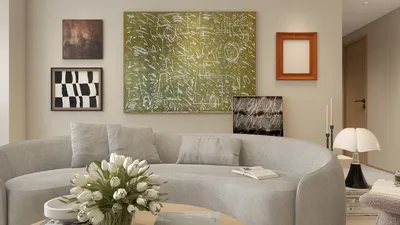


When selecting a heater, I adopt a methodical approach similar to planning a living room layout: begin with the overall space considerations, followed by fine-tuning for comfort. Factors such as square footage, insulation quality, ceiling height, and room functionality outweigh any brand marketing claims. From my observations, many households end up spending unnecessarily on wattage while neglecting crucial safety and control features. The goal should be to harmonize thermal efficiency, acoustics, and aesthetic design without creating an uncomfortable atmosphere.
Precision in sizing a heater is far superior to mere estimation. A useful guideline is approximately 10 watts of heating power per square foot in a sufficiently insulated room, meaning a 1500 W portable heater typically suits around 150 square feet. In workplace settings, thermal comfort is directly linked to performance; research conducted by Steelcase indicates that a comfortable physical environment enhances concentration and well-being, emphasizing that uniform temperatures help decrease cognitive fatigue (Steelcase Research). Regarding standards, the WELL Building Standard highlights the importance of thermal comfort and evenly distributed heat, providing key advice for preventing extreme temperature variations (WELL v2, Thermal Comfort).
Prior to making a purchase, measure your space, assess air leakage, and determine the main activities in the room. For instance, a cozy reading nook benefits from quiet radiant heat, whereas areas like kitchens and bathrooms require quick warming capabilities with moisture-resistant components. In multifunctional spaces or studios, I recommend hybrid approaches—pairing a primary heating source with an adaptable supplemental heater that responds to real-time demands or sudden cold snaps, possibly integrated using tools like Homestyler.
Types of Heaters and Their Optimal Uses
Convection heaters (ceramic/forced air) heat air rapidly and effectively circulate it, making them ideal for enclosed spaces needing quick warmth. However, be mindful of operational noise and draftiness; opt for variable fan speeds and thermostats that maintain an accuracy of ±1-2°F to limit temperature cycling.
Oil-filled radiators may take longer to warm up, but they provide a consistent and silent heat that retains thermal energy well. These heaters are perfect for bedrooms and home offices where quietness is crucial; their surface temperatures tend to be safer around children and pets compared to exposed-element heaters.
Infrared or radiant heaters warm up people and surfaces directly without heating the air, which makes them ideal for targeted heating, like over sofas or desks, particularly in rooms with higher ceilings. Look for emitters that produce low glare and incorporate diffusers for added comfort.
Electric panel and baseboard heaters offer a sleek design, can be wall-mounted, and deliver consistent background heating without fans, especially when paired with programmable thermostats for enhanced energy management. They function well beneath glass surfaces to counteract downdrafts.
Micathermic heaters (combining radiant and convection technologies) respond faster than oil-filled models and are quieter than fan-driven alternatives, making them suitable for bedrooms and libraries where a gentle, even warmth is preferred.
Aligning Wattage with Room Size and Construction
- For small spaces (up to 120 sq ft): Allocate 750–1200 W, depending on insulation and air leakage levels.
- For medium spaces (120–200 sq ft): Consider a wattage range of 1200–1500 W that includes a thermostat with multiple heat settings for control.
- For large areas (200–300 sq ft): Think about using two smaller heaters zoned effectively to avoid extreme hot or cold spots, or implement a wall panel/baseboard heating solution. Spaces with high ceilings (10 ft+) might benefit from radiant options to mitigate temperature differences.
If your space allows for flexibility or multiple zones, creating a quick mock-up with a room layout tool can aid in positioning heaters away from pathways and furnishings while maximizing airflow and heating distribution. Utilizing a design tool like Homestyler can simplify this process.
Safety Features and Important Standards
- Look for heaters with tip-over and overheat protection features—these are essential. Both mechanical and electronic safeguards are crucial.
- Ensure the unit has cool-touch housings and recessed elements, particularly in homes with children, pets, and textiles around.
- Verify UL/ETL certification and proper cord gauge. Refrain from using extension cords; instead, dedicate a circuit for appliances drawing 1500 W where feasible.
- Areas with moisture: Bathrooms and kitchens demand units rated for damp environments or built-in solutions; always adhere to local codes.
Creating Comfort Beyond Temperature: Light, Noise, and Air Quality
Achieving thermal comfort encompasses multiple senses. Bright glare from heating elements can be distracting; select heaters equipped with diffusers or subdued indicators. Fan noise exceeding 40 dBA can interfere with work and sleep; oil-filled or panel heaters maintain serenity in the room. Maintaining a relative humidity level of about 30–50% is important to prevent dry air, as convectors can quickly deplete moisture in a small room.
Adjustable Controls, Energy Use, and Scheduling
- Digital thermostats should provide fine adjustments (0.5–1°F) and demonstrate clear hysteresis to maintain comfortable temperatures without frequent on-off cycling.
- Scheduling capabilities, such as 7-day programs or smart plugs, allow for pre-heating spaces to avoid high energy draw upon entry.
- Zoning allows heating only the areas presently used, aligning with energy-saving habits and minimizing demand for the entire home.
- Smart integrations, like geofencing and window-open detection, enhance practicality and efficiency, particularly when utilized with reliable hardware.
Material Choices and Visual Compatibility
I prefer heaters with muted finishes and sleek forms that can blend seamlessly into their surroundings. Powder-coated steel and aluminum casings efficiently disperse heat and maintain their appearance over time. Proper cord management is essential—ensure cords are directed away from walkways and rugs. In minimalistic environments, a wall panel that matches wall colors preserves visual harmony; in more eclectic designs, an oil-filled heater can serve as both a warming unit and a decorative element.
Effective Placement Strategies and Space Ratios
- Start by placing heaters at the periphery to combat cold surfaces adjacent to glass and external walls.
- Direct heating towards occupied areas—sofas, desks, or dining tables—to efficiently warm individuals rather than empty spaces.
- Steer clear of soft furnishings: Maintain a clearance of 3 feet around all sides and never obstruct the airflow for fan units.
- If ceiling heights exceed 9 feet, consider using radiant units or a dual-heater approach at a lower wattage per unit to alleviate vertical temperature discrepancies.
Experiment with layouts using an interior layout planner to visualize traffic patterns and safe clearances; utilizing a simple tool can prevent awkward placements prior to final decisions.
Understanding Costs, Efficiency, and When to Transition
Electric resistance heating is effectively 100% efficient where used, but costs for electricity can vary. It is advisable to use portable units for targeted areas rather than relying on them for whole-home heating. If operating multiple 1500 W heaters for extended periods is common, consider permanent solutions like baseboards, radiant ceiling panels, or heat pumps that deliver improved seasonal efficiency. Pairing a small radiant device with an under-desk panel can lower room settings by 2–3°F without sacrificing comfort, which is particularly significant when seated.
Design Trends for 2024–2025 in Supplemental Heating
- Quiet heating solutions: Items like oil-filled and panel heaters that feature tactile dials rather than loud beeping or bright displays.
- Adjustable ambiance: Subtle status indicators and warmer color tones for any glow reduce visual distraction.
- Slim wall panels: Designed to blend with architectural lines for fewer visible cords and cleaner aesthetics.
- User-centered controls: Larger knobs and intuitive symbols paired with simple modes minimize errors and align with ergonomic principles.
Purchase Checklist
1) Verify wattage compatibility with room size. 2) Select the appropriate type (radiant for focused heating, convection for overall warmth, oil-filled for minimized noise). 3) Ensure essential safety features and certifications are included. 4) Assess noise levels and control precision. 5) Plan for heater placement and sufficient clearances. 6) Match finishes and designs to your interior decor. 7) Consider scheduling options or smart controls for maximum savings.
Frequently Asked Questions
Q1: How many watts should I use for my room?
A1: A practical estimate is around 10 watts per square foot for a moderately insulated environment. A 150 sq ft room typically requires a 1500 W heater. In well-insulated spaces, consider using less wattage; conversely, in rooms with leaks or high ceilings, radiant heating can be beneficial.
Q2: Which heater is ideal for bedrooms?
A2: Oil-filled radiators or panel heaters are recommended as they provide quiet, consistent heat with low glare. Set a cooler overnight temperature and utilize a programmable thermostat to preheat the room before waking.
Q3: What heater suits 10-foot ceilings best?
A3: Radiant or infrared units effectively target people, reducing heat stratification. Alternatively, employing two smaller units at seated height can create a more uniform temperature gradient compared to one high-powered heater.
Q4: Are fan heaters too noisy for a home office?
A4: Many operate quietly on low speeds; however, for sustained concentration, opt for oil-filled or panel heaters since stable temperature contributes to focus. Research from Steelcase shows a clear link between comfort and cognitive output.
Q5: Is infrared heat safe for kids and pets?
A5: Select models equipped with protective elements, cool-to-the-touch bezels, and tip-over safeguards. Maintain a standard clearance of 3 feet and avoid directing heat toward pet bedding.
Q6: Will a heater cause dry air?
A6: Any form of heating can lead to decreased humidity. Aim to keep levels between 30–50% with a humidifier or potted plants, and avoid excessive ventilation during heating.
Q7: Can I place a portable heater in a bathroom?
A7: Only if it is specifically rated for damp environments and set according to manufacturer clearance guidelines—many portable units are unsuitable. Hard-wired, code-compliant solutions are safer for wet areas.
Q8: Do smart plugs genuinely contribute to energy savings?
A8: Indeed—programming and automatic shutoff capabilities prevent extended idle usage. Geofencing technology, which warms the space upon arrival, helps maintain comfort without continuous operation.
Q9: Should I utilize two smaller heaters instead of one large unit?
A9: In spacious rooms or asymmetrical designs, two smaller wattage heaters can help mitigate temperature extremes and improve overall comfort. If their cumulative load is close to 12–13 A, place them on separate circuits.
Q10: How can I minimize glare from radiant heaters?
A10: Choose heaters with low-glare emitters equipped with diffusers and position them away from direct line of sight—aiming them towards lower surfaces rather than eye level.
Q11: What is the safest surface for a heater?
A11: Use flat, hard surfaces like tile or hardwood with ample space. Avoid placing units on rugs, soft furnishings, or piles of books that could obstruct vents or insulate heat.
Q12: Can a heater be effective for cold windows?
A12: Absolutely—placing a panel or baseboard heater near windows prevents downdrafts and enhances comfort levels, thereby allowing lower overall setpoint for the room.
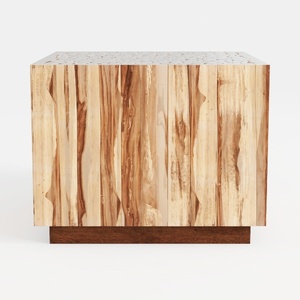

Minimalist Solid Wood Accent Cabinet with Textured Top 3D Model
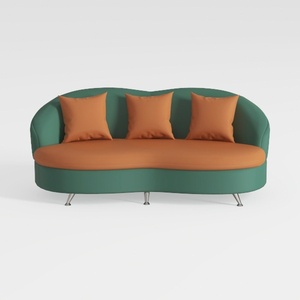
Modern Two Tone Fabric Curved Sofa With Throw Pillows 3D Model

Minimalist Solid Wood White Fabric Tufted Sofa 3D Model
Experience home design like never before with Homestyler! This intuitive online platform offers powerful design tools, stunning 3D renderings, and a wealth of inspiring DIY tutorials. Perfect for anyone looking to transform their space, Homestyler makes creating your dream home simple and enjoyable!
Design Now for FREE
































