

Evaporative coolers are particularly effective in hot and dry regions, yet not all models offer the same advantages. After years of experience designing interiors for both arid and mixed-humidity climates, I’ve realized that the crucial consideration is how effectively a cooler complements your local environment, room dimensions, ventilation approach, and daily usage habits. Desert coolers are engineered to circulate significantly more air and accommodate larger water reservoirs, whereas room coolers focus on being portable and quieter. Making the right choice can greatly influence thermal comfort, energy efficiency, and indoor air quality with a focus on tools like Homestyler to help visualize spaces effectively.
Comfort is not merely a personal feeling; it can actually be quantified. The WELL v2 Thermal Comfort guidelines outline specific operative temperature and humidity ranges that ensure the comfort of most individuals, typically around 20–27°C (68–80°F) with relative humidity sitting between approximately 30–60% depending on the activities taking place. In dryer conditions where relative humidity often drops below 30%, evaporative cooling can safely infuse moisture while decreasing perceived temperature punctuated by increased air movement. Research from Steelcase affirms that having personal control over environmental conditions boosts satisfaction and productivity, linking airflow and adjustability directly to effective performance. Steelcase’s insights on comfort and performance strengthen the argument for adjustable cooling methods centered around user needs.
Airflow is a crucial factor as well. For insight into glare and visual comfort, I consult the Illuminating Engineering Society (IES), especially when evaluating placements that may affect both lighting and airflow in smaller spaces. Although the IES standards primarily focus on visual aspects, their recommendations for minimizing glare play a role in how I strategically place cooling units to ensure that fast-moving air does not disrupt curtains or cause flickering in pendant lights. Striking a balance between air speed and visual as well as acoustic comfort is essential to prevent a cooler from simply diminishing heat while creating an unsatisfactory environment.
Desert Cooler vs Room Cooler: Key Differences
• Cooling mechanism: While both types employ evaporative cooling through wet pads, desert coolers feature larger pads and higher CFM values to circulate more air throughout the area. In contrast, room coolers employ smaller pads and lighter fans, making them appropriate for localized cooling tasks.
• Capacity & CFM: Desert coolers can provide 3,000–7,000+ CFM (depending on the model), making them ideal for cooling entire rooms or semi-outdoor spaces in dry climates. Room coolers, conversely, generally operate within a range of 500–2,000 CFM, which is sufficient for individual use or small areas. Always check the manufacturer's rated CFM and suggested coverage.
• Water management: Desert coolers are equipped with larger tanks and occasionally offer continuous water supply. Room coolers, however, depend on smaller water reservoirs and need manual refills, which makes them more portable but also requires more frequent checking.
• Noise & placement: Desert coolers tend to be bulkier and noisier. Room coolers are compact, easier to position near a desk or bed, and generally quieter, although high-speed settings might still produce noticeable sound.
• Maintenance requirements: Regular cleaning or replacement of pads is necessary for both types, along with mold control and mineral management if hard water is used. The larger pads in desert coolers may provide more effective cooling but also require more thorough maintenance.
Climate Compatibility: Dry vs. Humid Conditions
Evaporative coolers excel in hot, dry climates. Their efficiency decreases when humidity level exceeds approximately 60%, leading to potential oversaturation and discomfort indoors (WELL v2 guidelines help define these thresholds). In coastal or monsoon-affected regions, room coolers may quickly bring excess humidity to compact areas, whereas desert coolers may exacerbate the situation even more. For transitional climates, a balanced method may be necessary: rely on evaporative cooling during drier periods and shift to mechanical cooling or dehumidification as humidity rises.
Room Size, Design, and Ventilation Plan
Properly sizing the cooler for the room is essential. For cooling spaces ranging from 200 to 400 square feet in dry climates with good airflow, a desert cooler of mid-range capacity can maintain comfort for multiple users. For rooms sized between 100 to 200 square feet, a room cooler positioned for direct airflow towards occupants usually suffices. I ensure that units are placed to avoid dead zones and take advantage of open windows or ducts that help expel humid air; fresh air circulation is vital for effective evaporative cooling. To explore layout options before making a decision, utilizing a design simulation tool like Homestyler can provide insights into airflow, furniture spacing, and access to windows or balconies, all of which can be beneficial.
Airflow and Thermal Comfort: Practical Guidelines
• Desired airflow speed: Between 0.3–0.8 m/s near individuals typically feels comfortably cool without causing excessive drafts during seated activities. Desert coolers may surpass this range, thus it’s prudent to adjust or diffuse the airflow for prolonged comfort.
• Expected temperature: In dry heat, anticipate a perceived temperature drop of 3–7°C depending on the efficiency of the pads, water temperature, and airflow rate. Typically, a larger pad area in desert coolers facilitates greater temperature differentials.
• Humidity management: Keep close tabs on relative humidity (RH) levels. Once indoor RH approaches 60%, the effectiveness of evaporative cooling declines; adequate ventilation becomes crucial.
Noise, Lighting, and Acoustic Quality
Larger fans generate increased sound. I evaluate how the unit's location impacts noise levels, especially against reflective surfaces: a desert cooler situated in a bare corner amplifies noise, while softer elements like curtains and rugs can absorb sound. If the airflow crosses lighting fixtures, this can lead to flickering or swaying. It’s best to avoid positioning high-CFM models near task lighting. Acoustic comfort is essential for maintaining focus and sleep quality, so it’s important to select appropriate speeds and placements that align cooling with tranquility.
Materials, Water Quality, and Upkeep
The quality of the pad materials is pivotal. Aspen wood has excellent absorption qualities but deteriorates more quickly and can develop biofilm without regular cleaning. Synthetic honeycomb pads tend to last longer while delivering more consistent cooling, provided they are maintained properly. In areas with hard water, mineral deposits can diminish efficiency; utilizing filters or scheduling descaling can be helpful. I organize weekly wipe-downs during peak seasons, monthly inspections of pads, and thorough seasonal cleans. For units with larger tanks, inline water supplies and sediment filters may enhance performance.
In regions characterized by hot, dry conditions combined with adequate ventilation and spacious areas, a desert cooler is generally more effective due to its higher CFM ratings, larger pads, and enhanced evaporative cooling effects. In smaller spaces or mixed-humidity environments, room coolers excel in usability, portability, and precision comfort without risk of excessive humidity. If you often work or sleep close to the unit, the controllable airspeed and lower noise levels of room coolers can provide a more pleasant experience throughout the day, even if peak cooling performance is not as impressive.
Seasonal and Daily Usage Trends
• Daytime: Utilize higher speeds when outdoor air moisture levels are at their lowest, and admit fresh air through open windows to help expel humidity.
• Evening: As temperatures drop, humidity levels may increase; consider reducing fan speed or turning off the evaporative function if comfort decreases.
• Transition periods: Shift between fans and mechanical cooling options to avoid excessive humidity; constantly monitor indoor RH levels.
Energy Efficiency and Sustainability
Evaporative coolers require significantly less electricity than traditional compressor-based air conditioning systems, making them a considerate choice for energy-savvy households. Desert coolers could consume slightly more energy because of their larger motors and pumps, yet their overall usage remains minimal compared to split systems. Opt for materials that promise longevity for pads, and maintain the units diligently to mitigate waste. When applied correctly, evaporative cooling can promote low-carbon comfort tailored for suitable climates.
Placement Recommendations and Layout Scenarios
• Near windows for air intake: Position the unit to maximize drawing in dry outdoor air while allowing humid air to exit through an open window or vent.
• Avoid enclosed corners: Stagnant air can compromise the cooling effect and heighten noise levels.
• Height matters: Elevating a room cooler slightly can enhance airflow over beds or desks while preventing a direct blast into occupants’ faces.
• Harmonize with furnishings: Keep soft materials and items away from strong air currents to reduce clutter and sound levels.
Color Psychology and Visual Comfort
For permanent installations, the visual impact of the cooler also alters the perception of coolness. Cooler tones such as muted blues and blue-greens can subconsciously reinforce feelings of thermal comfort while reducing visual strain, as supported by established color psychology principles. Coordinating a neutral cooler housing with cool-toned room aesthetics can enhance comfort at lower air speeds during extended usage.
FAQ
Q1. Will a desert cooler function effectively in a coastal area?
A1. It will operate, but its efficiency wanes significantly as humidity increases. Once indoor RH exceeds around 60%, the evaporation rate declines, leading to potentially muggy conditions. Mechanical cooling or dehumidification may be necessary during humid days.
Q2. How can I determine the right cooler size for my space?
A2. Refer to the manufacturer’s recommended coverage and CFM metrics. Smaller bedrooms (about 100–200 square feet) can often be adequately served by room coolers. Larger living areas in dry climates generally require desert coolers with higher CFM and larger pad sizes.
Q3. Can evaporative coolers enhance indoor air quality?
A3. They can bring in fresh outdoor air and boost air circulation, which many find revitalizing. However, it’s essential to keep the pads clean to prevent odors or biofilm, and proper ventilation remains critical to avoid excess humidity.
Q4. What maintenance is most important?
A4. Consistent pad cleaning or replacement, keeping the water reservoir hygienic, and managing mineral deposits if using hard water is essential. I implement weekly surface cleans and seasonal deep maintenance to ensure good performance.
Q5. How do noise levels compare between desert coolers and room coolers?
A5. Desert coolers typically generate more noise due to larger fans and heightened air volumes. Room coolers usually operate more quietly at low to medium speeds, making them suitable for sleeping or concentrated work settings.
Q6. Are open windows necessary for these systems?
A6. Yes, some level of ventilation is advisable. Evaporative cooling introduces moisture; therefore, keeping windows or vents open aids in expelling humid air while maintaining the cooling effect.
Q7. Is there any health risk associated with increased humidity?
A7. In dry climates, a slight rise in humidity is often advantageous for comfort. However, in inherently humid areas, excessive RH can encourage mold or dust mites, so monitoring indoor RH and ensuring proper ventilation is key.
Q8. Which type of cooler is best for continuous all-day and all-night use?
A8. For prolonged proximity use, a quieter room cooler with adjustable fan speeds is typically more comfortable. For expansive daytime cooling in dry heat, a desert cooler is more effective at achieving comprehensive coverage.
Q9. Does using colder water improve the cooler’s performance?
A9. Colder water can marginally enhance evaporation rates, but airflow and pad quality are more crucial. Avoid overfilling or excessively saturating the pads to maintain consistent water flow.
Q10. Can I integrate a ceiling fan with the cooler?
A10. Absolutely. Ceiling fans can aid in distributing the cooled air while mitigating drafts by dispersing high-velocity air jets, augmenting both comfort and coverage.
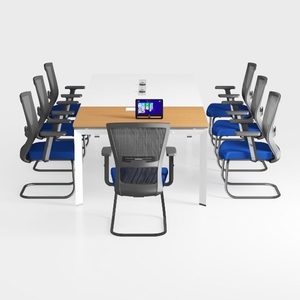
VINGLI Folding Chairs All Steel Metal Frame
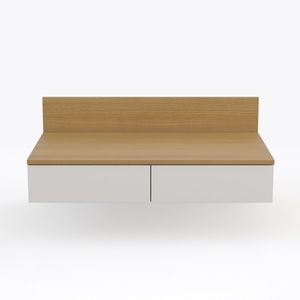
Minimalist Two Tone Solid Wood Floating Nightstand 3D Model
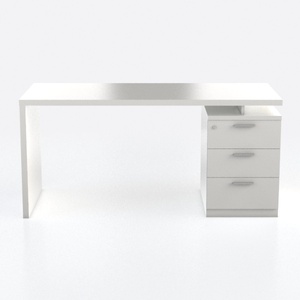
Minimalist White Solid Wood Office Desk With Storage Drawers 3D Model
Homestyler is your go-to online platform for effortless home design. With its intuitive design tool, stunning 3D renderings, and a wealth of DIY video tutorials, you can easily transform your ideas into reality. Elevate your space with creative inspiration and expert guidance—no experience needed!
تصميم الآن مجانا
































