

When it comes to selecting curtains for the living room, I see them as dual-purpose tools that manage light and set the atmosphere for everyday activities. This is especially pertinent in India, where factors like sunlight, temperature, dust, and the need for privacy converge. Recent studies emphasize the significance of managing daylight: according to the WELL v2 Light concept, effective daylight control and glare mitigation contribute to both visual comfort and circadian health. Furthermore, IES illuminance standards recommend maintaining light levels between 100–300 lux for informal settings, with reading nooks ideally around 300–500 lux to alleviate eye strain. Research from Steelcase reveals that well-balanced, comfortable environments enhance satisfaction and encourage persistence in tasks, indicating that the choice of curtains does more than just add aesthetic appeal; it profoundly influences behavior and mood.
The psychology of color is another crucial aspect to consider. Verywell Mind outlines that shades of blue and green foster tranquility, while warm hues like red and yellow evoke energy and sociability. This insight guides me in selecting drapery for Indian living rooms, particularly those that host family gatherings and celebrations. The choice of curtain color and opacity is particularly important when defining functional areas: using lighter sheers for communal spaces to amplify daylight, while opting for denser, richly colored drapes for media walls helps manage glare and enhances visual contrast. To effectively plan arrangements that include lounge seating, dining areas, or pooja corners near windows, I typically outline the light flow first and then test furniture placements using a room layout tool like Homestyler, ensuring optimal sightlines and glare control.
In modern Indian apartments, intense solar gain and dust exposure necessitate thoughtful material choices and hanging systems. I now commonly implement double-layered options—combining sheer and blackout fabrics—especially on west-facing windows. This approach not only increases comfort but also enhances energy efficiency by reducing heat absorption and shielding upholstery from UV damage. In detached houses, I prefer a combination of dim-out fabrics (allowing 70–90% light blockage) paired with textured sheers that scatter light effectively without compromising privacy, which is particularly essential for living spaces that face the street.
Trends in Curtains for Indian Living Spaces in 2024
• Tonal layering with neutral hues: Consider ecru sheers alongside greige dim-outs to transition seamlessly from bright mornings to cozy evenings.
• Fabrics with texture: Options like linen blends, matka silk appearances, and cotton-linen combinations provide visual depth and acoustic softness without excessive bulk.
• Elegant matte metallic hardware: Brushed brass and graphite tracks/poles enhance modern Indian interiors by complementing warm wood elements.
• Subdued patterns: Micro-geometrics, subtle ikat-style repeats, and stitched borders pay homage to craftsmanship while remaining unobtrusive in smaller spaces.
• Thermal linings: Using reflective or interlined fabrics helps reduce heat absorption and prolong the lifespan of the curtains, especially on south or west-facing windows.
• Motorized tracks with sleek pelmets: Streamlined designs, concealed brackets, and compatibility with voice/app controls keep installations tidy and practical.
Selecting the Ideal Fabric and Construction
• Sheers: Fabrics like voile, organza, and leno weaves provide gentle light diffusion and daytime privacy. I frequently recommend a fullness of 2.0–2.5× for a modern, generous effect. For urban areas with high dust levels, polyester-linen combinations with anti-static properties are preferred.
• Dim-out and blackout fabrics: Dim-out curtains (70–90%) are well-suited for living areas, preventing glare from screens while avoiding complete darkness. Reserve full blackout options for spaces dedicated to media activities or windows facing the street.
• Natural materials: Fabrics like linen and cotton help regulate humidity visually and through touch. Expect some intentional wrinkling—stone-washed or blended linens provide easier maintenance.
• Environmentally friendly options: Using recycled polyester with solution-dyed yarns enhances color retention while lowering water and chemical use. I try to avoid PVC-backed blackout curtains when alternatives are available.
• Sound absorption: Heavier, multi-layer curtains are effective at absorbing mid- and high-frequency sounds, which is beneficial for apartments near busy roads. Aim for layered curtains with fuller headings to create added mass for improved acoustic performance.
Color Considerations for Indian Settings
• Rooms facing north/east: Warmer drape colors—like terracotta, muted saffron, or warm taupe—are ideal as they appear inviting throughout the day.
• Rooms facing south/west: Use cool neutrals—such as sage, stone, or ash—to counterbalance afternoon heat and create visual equilibrium.
• Smaller spaces: Opt for light base curtains and incorporate color through trims, bands, or standout borders, maintaining brightness while adding character.
• Seasonal adjustments: A neutral foundation allows for quick updates for festivities—utilize clip-on borders, festive tiebacks, or an additional patterned curtain layer for occasions like Diwali, without permanent alterations.
Hardware, Heading Styles, and Dimensions
The style of curtain headers significantly alters the overall ambiance: S-fold (wave) tracks generate uniform, architectural patterns—this is my preferred method for contemporary living rooms. Single or double pinch pleats align with transitional styles, while matte-finish rings for eyelet tops prevent glare and minimize fingerprints. Position rods 6–10 inches wider than window frames to maximize natural light when open. I frequently mount rods 6–8 inches from the ceiling (or use ceiling-mounted tracks) to elongate inverted spaces and hide structural beams.
Managing Glare, Temperature, and Television Wall Elements
In areas where the television faces a window, it is ideal to place seating away from direct sunlight exposure. Dim-out layers help reduce reflections while maintaining usability during the day. For very bright locations, consider adding light-colored reflective linings and using double-width fabrics to minimize seams. If your living-dining space is open, extending the curtain run across adjoining openings can visually tie the space together; test out these configurations using a layout planner from Homestyler to explore furniture placements and sightlines.
Contemporary Patterns and Textures
• Subtle jacquard patterns: Modern yet tranquil; these pair well with matte walls and warm metal accents.
• Textures inspired by handcrafted weaving: Gentle slubs and selvedge details nod to Indian craftsmanship while maintaining a modern appeal.
• Vertical lines: Thin, soft stripes impart an illusion of height in spaces with low ceilings—opt for subdued contrasts.
• Decorative borders: Place intricate details on the viewable side when curtains are drawn open; a 2–4 inch edge can make a significant impact.
Practical Maintenance Tips
Given the prevalence of dust, prioritizing washable fabric blends and removable headings is advisable. I often recommend weighted hems to maintain clean lines against air currents. For coastal regions, opting for stainless steel or powder-coated aluminum hardware is best to resist salt air damage. If air conditioning is used frequently, insulated linings can lessen thermal fluctuations and preserve fabric quality.
Cost-Effective Strategies
• Prioritize investment in hardware and linings; fabric can always be upgraded later.
• Selecting double-width fabrics helps avoid seams and cuts down on tailoring expenses.
• Opt for simple base curtains complemented with high-quality trims for an upscale look at a lower price.
• Standard heights (8–9 ft) allow for off-the-shelf fabric solutions—custom lengths are a worthy choice for achieving floor-kissing fit.
Common Layout Scenarios in Indian Residences
• Bay windows: Utilize tracks across the front with wave headings; alternatively, a ceiling-mounted curve maintains continuity. Avoid employing short rods that disrupt the visual flow.
• French doors leading to terraces: Consider lightweight sheers with efficient back-stacking to permit unhindered door movement. Motorized tracks are advantageous when furnishings obstruct access.
• Corner windows: Employ a mitered double-track or flexible wave system to ensure fabric glides smoothly past corners without snagging.
2024 Color Combinations I'm Embracing
• Natural linen paired with brushed brass hardware and walnut furniture creates an earthy elegance.
• Dove-grey dim-out alongside ecru sheer and matte black tracks provides a crisp, gallery style.
• Sage green dim-out with ivory sheers and cane/acacia accents delivers a breezy coastal feel.
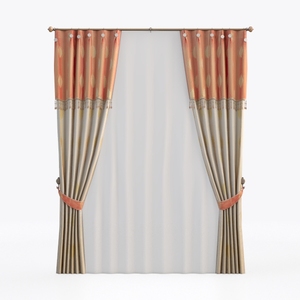
• Sand beige base featuring maroon embroidered edges offers subtle festive energy throughout the year.
Sources and Guidelines Influencing Selections
I rely on credible resources to refine my choices. IES illuminance standards guide the balance between natural light and task lighting, while the WELL v2 Light concept stresses the significance of glare management and circadian principles, both critical when determining opacity and linings for living areas. Behavioral studies from Steelcase indicate that comfort and environmental control enhance engagement, which is useful for fine-tuning layers and motorization systems in family rooms transitioning from bright mornings to cozy movie nights.
Quick Specification Guidelines
• Layering: Generally, a combination of sheer and dim-out is sufficient for living rooms, adding blackout only when necessary.
• Fullness: Aim for 2.0–2.5× for sheers; 1.8–2.2× for denser fabrics.
• Mounting: Either ceiling-mounted tracks or rods positioned high to create a sense of height.
• Zoning opacity: Lighter fabrics for communal areas; darker materials for media/TV settings.
• Hardware finish: Choose matte, rust-resistant materials for durability.
• Care: Easy-to-clean blends with removable headings and weighted hems are preferable.
• Automation: Especially consider for hard-to-reach spaces or taller windows.
• Eco-friendly choices: Utilize recycled fibers, solution-dyed yarns, and steer clear of PVC backings whenever possible.
Trusted Resources
• WELL v2 (Light concept): Provides guidelines for glare management, circadian lighting, and daylight strategies aimed at occupant comfort. See more at wellcertified.com.
• IES Lighting Standards: Resources for illuminance and glare management practices tailored for living spaces can be found at ies.org/standards.
Frequently Asked Questions
Dim-out fabrics (approximately 70–90% light blockage) combined with sheer layers can mitigate reflections while keeping spaces functional during daylight. Reserve full blackout options for areas dedicated to media consumption.
Install rods 6–8 inches below the ceiling or opt for ceiling-mounted tracks. This positioning visually enhances wall height and conceals structural elements, particularly effective in 9–10 ft ceilings.
Select linen blends (like linen-polyester) with anti-static features to maintain an organic appearance while improving durability. Utilize removable headings and schedule routine cleanings seasonally.
Use light neutrals—such as ecru, sand, or dove grey—combined with varied textures. Maintain subtle patterns, introducing color through trims or cushions to prevent visual clutter.
Indeed. Layering curtains with reflective or insulated linings can diminish solar gain and evening heat loss, leading to more stable interior temperatures while safeguarding furnishings.
S-fold (wave) headings on slim tracks provide a sleek, architectural aesthetic. They also ensure smooth movement, which is beneficial for expansive spans.
For an uninterrupted gliding experience around corners, specify a mitered or flexible wave track. Consistency in fabric choice helps prevent visual interruptions.
Motorized tracks provide ease of access for locations blocked by furniture or when handling oversized or tall designs. Tie these tools to preset scenes suitable for day, evening, and movie viewing.
Using heavier dim-outs, interlined curtains, and double layers amplifies sound absorption. Focus on fuller headings and floor-sweeping lengths to eliminate gaps.
Yes—keeping within a cohesive color palette while varying scale works effectively: a fine-pattern curtain juxtaposed with a large rug design can yield a harmonious effect. Keep curtain patterns understated to maintain a tranquil environment.
Typically, rods should extend 6–10 inches beyond each side of the frame, allowing curtains to completely clear the glass when opened, maximizing daylight and view.
Employ a basic fabric coupled with a high-quality stitched or embroidered border to achieve a custom aesthetic without the expense of full-pattern fabric.


Are you looking to transform your space effortlessly? Homestyler offers a user-friendly online home design tool that lets you explore stunning 3D renderings and design projects. With a treasure trove of DIY video tutorials, you’ll gain inspiration and confidence to create your dream home—simple and fun!
立即免费设计
































