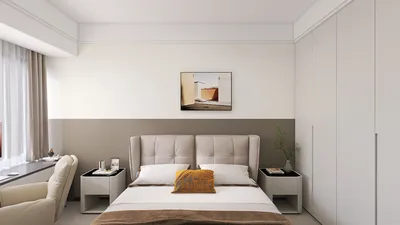


Each week, I engage with small bedroom designs, and a common inquiry that arises is quite straightforward: what bed size should I select if a queen bed feels cramped? The appropriate choice hinges on the dimensions of your room, your sleeping preferences, and how the remaining space is utilized for activities such as storage, movement, work, or relaxation. Here, I present an informative guide detailing bed sizes smaller than a queen, incorporating essential clearance guidelines, insights on comfort, and strategic layouts drawn from my real-life projects, all while utilizing tools like Homestyler for optimal planning.
Understanding Sizes Below a Queen
The standard dimensions of a queen bed are approximately 60" x 80". The subsequent smaller options include full/double beds (around 54" x 75"), twin beds (approximately 38" x 75"), and twin XL beds (around 38" x 80"). Research from Steelcase indicates that spatial limitations impact well-being and efficiency within home settings, with a sense of control over one’s environment correlating with comfort and satisfaction. WELL v2 guidelines further suggest that bedroom characteristics conducive to restorative sleep are crucial, highlighting the significant influence of light and noise levels on sleep quality. These standards serve as a constant reminder to harmonize the footprint of the bed with various environmental considerations—such as light, acoustics, and airflow—rather than concentrating solely on the size.
In compact spaces, maintaining proper clearances is essential. Gensler's research consistently links well-managed circulation paths to reduced friction points; thus, I recommend a minimum of 24" of walkway adjacent to the bed, ideally 30–36" when feasible. For lighting, I adhere to IES guidelines, ensuring that bedside task lights provide between 300–500 lux with a warm-white color temperature (2700–3000K) to facilitate winding down. These standards guarantee that even smaller beds can furnish adequate comfort throughout the day.
Full/Double: The Most Livable Step Down
A full or double bed (approximately 54" x 75") offers 6" less width and 5" less length compared to a queen, potentially freeing up an additional 12–18" of circulation space in many rooms. This extra margin often accommodates a narrow dresser or a floating desk while allowing doors to swing without obstruction. For pairs of adults sharing a bed closely, a full bed might feel cozy; however, if you prefer to sleep in lateral positions or are under 6'0", it can still work well with the right bedding and pillow strategy.
In terms of comfort, it’s advisable to opt for a mattress with edge reinforcement to maximize usable space—this is particularly key for full beds. Ensure headboard thickness doesn't exceed 2–3" in compact areas; upholstered styles should be slim to avoid sacrificing essential inches. Opt for wall-mounted sconces with cutoff optics that minimize glare and keep the nightstand uncluttered.
Twin and Twin XL: Precision Planning for Narrow Rooms
A twin bed (approximately 38" x 75") is ideal for areas less than 8' wide or multifunctional guest rooms. If height necessitates longer legroom, a twin XL bed (≈38" x 80") retains a length comparable to a queen while maintaining a narrow profile. In my experience with dorms and micro-apartments, twin XLs are perfect for taller individuals who find shorter mattresses uncomfortable.
For layout strategy, position a twin bed lengthwise against a wall and allow a side clearance of 24–28"; this approach preserves circulation and creates space for storage solutions on the opposite wall. In cases of bunk or loft arrangements, ensure there’s a minimum overhead clearance of 30" above the sleeper to prevent heat buildup and glare from ceiling fixtures.
Daybeds, Trundles, and Sofa Beds
Daybeds provide a dual-purpose feature, offering couch-like comfort during the day and twin or full-size sleeping arrangements at night. Trundle beds cleverly conceal a secondary twin mattress below, making them perfect for guest accommodations. In living areas designed for both relaxation and sleep, investing in a high-quality sofa bed equipped with an adequate seat depth (20–22") and a mattress capable of resisting sagging in the center can surpass many budget alternatives. Ensuring acoustic comfort is also vital; incorporating a soft rug and padded panels behind the sofa aids in minimizing noise reflections during late-night hours.
Murphy Beds and Fold-Down Systems
Wall beds efficiently reclaim floor space when not in use, transforming a 10' x 10' room from a sleeping area to a workspace in an instant. I recommend units with counterbalance mechanisms and built-in LED strips that emit a soft 2700K glow with dimming options. Ensure at least 24" of side clearance to avoid pinch points during setup. When navigating room layouts, employing a room layout tool like Homestyler can facilitate the simulation of clearances and furniture flows.
Clearance, Traffic, and Door Swings
Selecting smaller beds is worthwhile only if circulation is properly addressed. Strive for: 24–30" of clearance on at least one side of the bed; 30–36" at the foot of the bed if accommodating furniture; and 36" along primary pathways. Installing pocket or barn doors can conserve an additional 8–10" of swing space, but it’s crucial to assess sound insulation—solid-core sliders generally outperform hollow-core options. Bear in mind the depth of dresser drawer pulls; an extension of 16–18" for drawers, combined with the standing space needed, requires approximately 36–42" in total.
Lighting and Color for Compact Bedrooms
I balance ambient and task lighting effectively: ambient light should range from 150–300 lux for winding down, while bedside illumination should provide 300–500 lux for reading, all within a warm color spectrum (2700–3000K). Implementing indirect cove or wall-wash lighting can help mitigate harsh contrasts that may create a feeling of constriction in the space. According to color psychology research compiled by Verywell Mind, soft neutrals with warm undertones (such as beige or muted greens) encourage calmness and tranquility, whereas vibrant hues can energize the atmosphere—ideal for highlighting accents but distracting in excess. Opting for matte finishes can diminish glare and foster a sense of spaciousness in small rooms.
Ergonomics and Sleep Behavior
The choice of bed is influenced by various human factors. Side sleepers tend to benefit from slightly wider mattresses, while back sleepers can typically accommodate narrower styles comfortably. For avid readers, it's essential to ensure the headboard is angled at approximately 100–110 degrees, with ample lumbar support provided by cushions. Keeping nighttime noise levels below 35 dBA can enhance sleep quality; a small, quiet fan can also function as both an air circulator and sound buffer. The choice of bedding is paramount; breathable fabrics like cotton percale or linen regulate temperature more effectively in smaller rooms prone to retaining heat.
Storage Integrations That Keep Space Feeling Larger
When considering storage options, select lift-up storage beds only if ceiling height permits comfortable use; otherwise, under-bed drawers with full-extension slides are simpler and preserve essential ventilation. Minimize the thickness and projection of closet doors to maintain the comfort of the bed area. Vertical shelving placed above nightstands can free up floor space while enhancing perceived room height; experimenting with varying shelf depths can create a visually appealing rhythm.
2024–2025 Small-Space Trends
Current trends spotlight slimmer headboards, integrated wall lighting, and multifunctional platforms that offer low seating along one edge. Sustainable materials are gaining traction, including FSC-certified woods, low-VOC finishes, and recycled-content performance fabrics. Rounded corners on bedside tables can mitigate injuries in tight spaces; this small design choice can significantly impact daily living experiences.
How to Choose Between Full, Twin, and Twin XL
Start by measuring your room, plotting clearances, and assessing behavior patterns: do you read before sleep, share the bed frequently, or require the room to serve multiple purposes? For many compact bedrooms, a full bed often provides the best balance for two occupants. Twin XL makes an excellent choice for taller solo sleepers, whereas a standard twin suits micro rooms or flexible living spaces. Utilizing a layout simulation tool like Homestyler before purchase can help confirm your choices.
FAQ
Q1: Is a full bed comfortable for two adults?
A: It can be comfortable, depending upon individual sleep habits. A full bed offers 6" less width than a queen, which may feel limited for side sleepers who tend to spread out. Choosing edge-supported mattresses and slim headboards can enhance the perceived spaciousness.
Q2: Should tall sleepers choose twin or twin XL?
A: A twin XL aligns with a queen bed's 80" length, making it the superior option for individuals over 6'0", whereas a standard twin at 75" can feel restrictive for taller users.
Q3: What clearance do I need around the bed?
A: Aim for at least 24–30" on one side, 30–36" at the foot if furniture is present, and wider pathways near entrances. These widths help minimize nighttime collisions and facilitate comfortable movement.
Q4: What lighting levels are best for small bedrooms?
A: Recommended lighting includes an ambient level of 150–300 lux, and task lighting at the bedside should provide 300–500 lux at a warm temperature (2700–3000K). Incorporating dimmers allows transition from work to relaxation phases.
Q5: Are Murphy beds safe and durable?
A: High-quality wall beds featuring counterbalanced systems and secure anchoring are reliable. Ensure sufficient side clearance to avoid pinch points and opt for soft-close mechanisms for ease of use.
Q6: Can a sofa bed substitute a traditional mattress?
A: Yes, particularly if the sofa bed comes equipped with a well-crafted mattress that shows minimal sag. Assess seat depth and back angle for daily comfort; enhancing acoustic comfort through rugs and other fabrics is also advisable.
Q7: Which colors create a calming atmosphere in tight spaces?
A: Warm neutrals and muted tones typically foster a sense of calm. High-contrast color schemes can compress visual space; thus, consider vibrant colors as accents rather than dominant shades.
Q8: How can I incorporate storage without compromising bed space?
A: Opt for vertical shelving, streamlined nightstands, and under-bed drawers with full-extension slides. Maintain clear pathways and avoid bulky footboards in snug areas.
Q9: Is choosing a full bed better than placing two twins side by side?
A: Two twin beds result in a split in the middle and extra width; unless modularity or adjustable bases are required, a full is more straightforward and space-effective.
Q10: Are bunk beds suitable for adult guest rooms?
A: Yes, particularly in narrower spaces, but ensure there's at least 30" of overhead clearance and account for potential noise and heat accumulation. Twin XL bunk configurations are available in some lines, catering to this need.
Q11: Can a headboard make a room feel smaller?
A: Generally, bulky headboards may create that effect. Opt for slim, upholstered designs or wall-mounted panels to avoid a cramped feeling. Integrating lighting into the headboard can further eliminate clutter on nightstands.
Q12: How can I validate my layout before making a purchase?
A: Utilize a layout simulation tool to explore clearances, door swings, and furniture arrangements. This practice helps avoid costly errors and provides insight into daily movement patterns in your space.


Mid Century Solid Oak Wood Platform Bed With Spindle Headboard 3D Model

Modern Toile Upholstered Bed With Metal Ball Base Soft Bedding 3D Model

Modern Walnut Solid Wood Low Profile Platform Bed 3D Model
Discover the ease of home design with Homestyler! This user-friendly platform offers a powerful online design tool, stunning 3D renderings, and a wealth of DIY video tutorials. Whether you're a beginner or a seasoned designer, Homestyler makes it simple to create your dream space.
Design Now for FREE
































