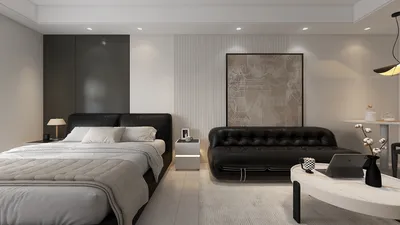


For over a decade, I have implemented automatic air fresheners in residential spaces, hospitality settings, and open-plan workplaces, always striving for an optimal combination of fragrance, airflow, and sound management. It's essential that scent enhances, rather than disguises, the quality of indoor air. A compelling Steelcase Global Report indicates that 77% of employees believe a tranquil and comfortable atmosphere boosts their productivity. When expertly selected and positioned, diffusers can uplift moods while minimizing distractions or sensitivities. Furthermore, the WELL v2 framework emphasizes the significance of ventilation and pollutant control for occupant well-being, reinforcing the idea that fragrance should be the final touch, not a substitute for air quality.
The interplay of color, lighting, and fragrance significantly influences perception and behavior. Color psychology suggests that cooler shades promote tranquility and concentration, while warmer hues can invigorate spaces. Similarly, ambient scents serve as gentle behavioral signals; for instance, citrus fragrances can enhance alertness, while herbal aromas contribute to relaxation. Research from Gensler correlates perceived comfort with productivity and choice, indicating that personalized and controlled environments enhance engagement. Employing programmable fresheners that synchronize with various activities—energizing scents during mornings and calming fragrances later—aligns with these natural rhythms. For insights on human-centric building performance, the WELL v2 guidelines on ventilation and scent comfort remain invaluable resources.
Selecting the Appropriate Automatic Air Freshener
Begin by considering the method of delivery and the size of the space. Aerosol-based fresheners provide immediate effects but may be disruptive; nebulizing diffusers release pure oils consistently and with no residue; ultrasonic models blend oil with water for a gentler mist and added humidity; passive gel or membrane systems operate quietly and require minimal upkeep. For smaller areas (up to about 150 square feet), a compact ultrasonic or passive diffuser generally suffices. Medium spaces (150 to 400 square feet) benefit from programmable nebulizers that allow adjustment of output levels. Larger spaces or hallways may necessitate centralized systems integrated with HVAC to ensure even coverage and reduce the number of units needed.
Fragrance Strategy: Psychology, Intensity, and Timing
Align fragrance families with their intended use: utilize citrus and mint in focus areas; incorporate green tea, eucalyptus, or lavender in relaxation zones; and opt for soft woods and light floral scents in reception areas or living rooms. Keep the fragrance intensity low and layer it gradually, as humans adapt swiftly to scents, and what feels subtle can become overwhelming within half an hour. Schedule brief scent bursts (10 to 30 seconds) followed by extended off periods (10 to 20 minutes) to preserve perception and prevent olfactory fatigue. In communal workplaces, I avoid rich gourmand or heavy musk scents due to potential sensitivities; instead, a refreshing, neutral profile accommodates a broader audience.
Positioning: Delivery of Scent Without Concentration Issues
Placement of devices is dictated by airflow. Position units near return air pathways for uniform scent distribution, ensuring they are never directly positioned by faces or workstations. Maintain a distance of at least 6 to 8 feet from seating to avoid concentrated scent plumes. Additionally, avoid aligning devices with task lighting to eliminate heat-related volatility spikes. In corridors, consider staggering units every 20 to 30 feet based on their output. For open-plan designs or showrooms, utilize a room layout tool like Homestyler to simulate scent dispersion around partitions and doorways.
Integrating with Ventilation and Filtration Systems
It is vital to understand that fragrance should complement—not substitute—ventilation. Ensure that the air changes per hour (ACH) comply with local regulations and pair scent distribution with appropriate filtration systems. The WELL v2 framework highlights the importance of controlling sources and enhancing outdoor air circulation to mitigate contaminants. Activate diffusers only after addressing humidity levels (targeting 40 to 60% relative humidity) and ensuring effective filtration (MERV-13 is recommended where achievable). In restroom facilities, a motion-triggered freshener combined with an exhaust fan aligned to occupancy can effectively eliminate odors while allowing the diffuser to manage lingering scents.
Considerations for Lighting and Acoustics
People are often aware of devices that produce clicking, humming, or flashing sounds. Opt for models that operate at under 35 dBA in focus areas and disable status indicator lights in bedrooms or meeting rooms to preserve circadian rhythms. Effective lighting mitigates glare and heat build-up near oils; employing warm-dimming fixtures in the evening makes lighter scents feel richer, whereas cooler task lighting better complements bright, crisp aromas. The Illuminating Engineering Society (IES) suggests ambient light levels for living spaces typically between 100 and 300 lux based on task requirements, ensuring that bright lighting does not make citrus scents seem harsh, and dimmed conditions don't make woody scents feel overwhelming.
Materials, Safety, and Sensitivities
Utilize fragrances and blends compliant with the International Fragrance Association (IFRA). For environments where allergies are a concern, prioritize hypoallergenic, phthalate-free options and avoid known sensitizing agents (such as concentrated cinnamon or specific balsams). Ensure oils are kept away from porous materials like unfinished oak or natural stone to prevent damage. Stainless steel or glass reservoirs are easier to clean compared to plastic options. Always adhere to manufacturers’ recommended exposure limits to avoid residue buildup on surfaces or HVAC intakes.
Sustainability and Maintenance Practices
Look for refillable cartridges, recyclable reservoirs, and concentrated oils to minimize packaging waste. Schedule thorough quarterly cleaning for diffusers to eliminate clogs and prevent olfactory fatigue, which can result in stagnant odors if residue accumulates. Program devices to reduce operation during vacancy periods—many offer motion or light sensors to save resources. Monitor monthly usage; a properly calibrated nebulizer in a 250 sq ft space should require no more than a small oil bottle every 4 to 6 weeks under conservative cycles.
Programming Schedules for Various Settings
- For entry and reception areas: employ short bursts of citrus or herbal scents at 15-minute intervals during peak arrival hours.
- In living rooms or lounges: utilize soft wood or floral aromas at a low intensity in the evening, and turn off devices during mealtime to respect taste and smell.
- In focused workstations: deploy mint or citrus micro-bursts mid-morning and post-lunch; turn off during meetings.
- In restrooms: activate neutral-clean scents triggered by occupancy alongside a strong exhaust fan.
- For bedrooms: avoid continuous operation; if utilized, schedule for early evening only and disable lights and sounds.
Budgeting for Scenting Solutions
The price of hardware varies significantly: compact ultrasonic options are typically cost-effective, while commercial-grade nebulizing diffusers may have a higher initial cost but utilize less oil per hour of operation. Plan for the recurring cost of consumables as part of operational expenses. I recommend forecasting over a 12-month period, considering the initial device cost, a monthly budget for oil or refills, and maintenance efforts. A modest office suite might budget a few dollars per day for ambient scenting—less than expenses incurred for coffee service—if the output is efficiently calibrated.
Frequently Overlooked Considerations
- Refrain from placing diffusers near CO2 or VOC sensors to avoid inaccuracies.
- Steer clear of placing diffusers adjacent to fabric drapes; certain oils could discolor textiles over time.
- Maintain a central log of used fragrances so facility teams can trace any sensitivities that arise.
- Create designated fresh-air zones for individuals who prefer unscented environments.
Frequently Asked Questions
The goal is to achieve a barely noticeable scent. If you consciously detect the fragrance for longer than a minute upon re-entry, it is excessively strong. Short, sporadic bursts help maintain perception without buildup.
Nebulizing diffusers atomize pure oils without the need for heat or water, providing consistent and residue-free dispersion with enhanced control, especially suitable for medium-sized spaces.
Discreet, non-intrusive scents can significantly support mood and alertness. They should be paired with comfort elements—including control over temperature, acoustics, and lighting—that contribute to engagement, as confirmed by workplace studies from companies such as Gensler.
Select phthalate-free, IFRA-compliant formulas, steering clear of known sensitizers, while ensuring that scent-free zones exist within office environments.
Position devices near return airflow pathways, 6 to 8 feet from seating areas, away from direct airflow onto occupants, and distanced from heat sources or bright task lights, which may impact scent dispersion.
Indeed. Fragrance should not replace fresh air; it's crucial to maintain adequate outdoor airflow and filtration, with the WELL v2 guidelines emphasizing pollutant control as vital for occupant health.
Choose devices that operate under 35 dBA for areas requiring focus, and remember to disable indicator lights in bedrooms and meeting rooms to maintain tranquility and visual comfort.
Conduct weekly cleaning and deep cleans on a quarterly basis. Replace or refill oils as advised; overuse could lead to residue accumulation and olfactory fatigue.
Utilize citrus and mint in focus areas, green tea or lavender in relaxation zones, soft wood or floral scents for living spaces, and neutral-clean fragrances for restroom facilities.
Absolutely. Many diffusers can be programmed to follow schedules or be operated in response to sensors. Connect operations to occupancy, time of day, or HVAC schedules to conserve supplies and maintain consistency.
Keep oils away from porous stone and untreated wood; utilize glass or stainless steel containers to facilitate cleaning. Also, avoid positioning devices near sensors or sensitive electronics.
Consider the purchase price of devices, oil consumption based on programmed schedules, and labor for maintenance. Optimally sized and properly programmed systems are both cost-efficient and predictable.
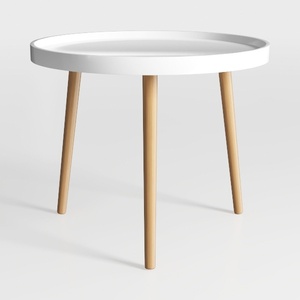
danpinera Round Side Table, Metal Legged Accent
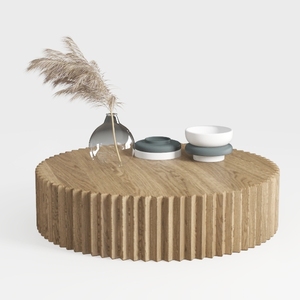
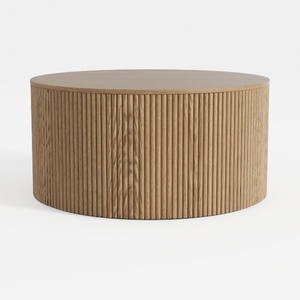
Minimalist Fluted Solid Oak Round Coffee Table 3D Model
Homestyler is your go-to online home design platform, perfect for anyone looking to create stunning interiors. With its user-friendly design tool, impressive 3D renderings, a wealth of design projects, and informative video tutorials, transforming your home into a masterpiece has never been easier!
Design Now for FREE
































