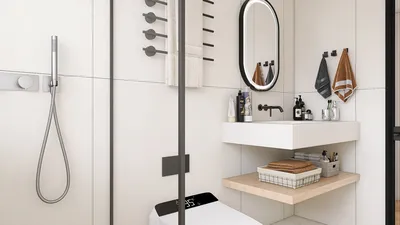


Optimizing the cooling of a 400 sq ft space requires precise alignment between the appropriate BTU rating and the actual heat load conditions. For typical rooms like bedrooms, offices, or studios with average sun exposure and standard ceiling heights, a capacity in the range of 8,000 to 10,000 BTU is ideal. This falls in line with the generally accepted guideline of 20 to 25 BTU per square foot. Adjustments can be made for factors like increased solar gain, additional occupants, or the presence of electronic devices.
When selecting an air conditioning unit, it’s crucial to consider both efficiency and comfort metrics, not just the cooling power. The WELL Building Standard (WELL v2) emphasizes the importance of maintaining thermal environments that boost cognitive efficiency and ensure comfort through stable humidity and adjustable settings. Opting for units equipped with variable speeds and accurate controls will help occupants remain in the comfort zone for an extended period. Research conducted by Herman Miller indicates a positive correlation between thermal comfort and enhanced productivity levels in knowledge-based work sectors. I recommend looking for inverter models that boast higher SEER ratings, operate at low noise levels of 55 dB or less, and have a dehumidifying capacity of at least 1.5 to 2.0 pints/hour, particularly in humid climates.
What Size AC Is Appropriate for a 400 Sq Ft Space?
Begin with the standard range of 20 to 25 BTU per square foot, which places you around 8,000 to 10,000 BTU, then consider specific conditions:
For rooms with intricate layouts or that open into adjoining spaces, I utilize a room layout tool to visualize furniture arrangements and heat sources. This simulation helps in predicting air distribution before deciding on the type of air conditioning unit to install.
Best Air Conditioning Types for a 400 Sq Ft Room
A great combination of affordability, efficiency, and ease of installation. Modern inverter window units are designed to regulate compressor speed, minimizing cycling while improving dehumidification. Aim for a CEER rating of 12 or above, alongside a quieter fan option. This is particularly advantageous for renters who can utilize pre-existing window openings.
Portable units offer flexibility but tend to be less efficient due to their tendency to draw conditioned air from inside the room. When considering these, look for dual-hose designs or models with high DOE SACC ratings. These tend to be noisier, often reaching 55 dB or more, but can be beneficial in homes with historical architecture or when windows cannot accommodate a fixed unit.
Mini-split systems are the quietest and most energy-efficient choice available. They typically come with high SEER2 ratings and outstanding humidity control, maintaining consistent temperatures, lowering energy consumption, and even offering heat pump capabilities for transitional seasons. Although the initial outlay is higher, the long-term savings and comfort they provide are unparalleled. Professional installation is necessary for optimal performance.
For spaces without adequate window access, wall sleeve units are suitable. Be sure to match the sleeves with existing wall openings and perform proper weather-sealing to prevent thermal bridging.
Essential Features to Consider
Tailoring AC Choices to Actual Room Conditions
I prefer inverter window ACs or mini-splits due to their low noise levels at night and their ability to maintain humidity. Preferred sleep temperatures generally hover around 65 to 67°F, and having precise controls can prevent uncomfortable cold blasts during the night.
Thermal stability is key for maintaining focus. The research from Herman Miller supports the idea that a comfortable environment enhances task efficiency; therefore, choosing systems with variable speeds and low indoor noise levels is essential. Additionally, directional louvers help to avoid drafts on work surfaces.
If the room has large west-facing windows, you may need to increase your BTU requirement to between 10,000 and 12,000. Using reflective shades (with low SHGC ratings) and adjusting fan direction to distribute air across the glass wall can assist in managing radiant heat gain.
Controlling humidity is of utmost importance. Opt for units featuring effective dry modes and continuous drainage options. If relative humidity levels remain above 60%, consider complementing your system with a standalone dehumidifier.
Energy Considerations, Acoustics, and Human Factors
Comfort extends beyond just temperature. The Illuminating Engineering Society recommends glare control and layered lighting to reduce visual fatigue; pairing cooler air with warmer lighting at 2700 to 3000K in bedrooms and 3500 to 4000K in work areas can support alertness while maintaining a soft ambiance (IES lighting guidelines). Keeping relative humidity between 40% to 60% helps mitigate the feeling of stickiness. In working environments, maintaining lower background noise is crucial; while mini-splits excel in this area, portable units can introduce disruptive mechanical sounds.
Tips for Installation and Placement
Maintenance for Optimal Performance
Quick Recommendations for a 400 Sq Ft Space
Plan Your Layout Before Making a Purchase
Before finalizing your choice, assess airflow pathways, air return routes, and heat sources. A brief layout plan using an interior design tool can reveal the best positions for head units or window ACs concerning glazing, workstations, and sleeping areas. Tools like room design visualizers can help forecast air distribution effectively, minimizing any guesswork.
Frequently Asked Questions
Typically, the required range is between 8,000 to 10,000 BTU, with increases made for high sun exposure, tall ceilings, or additional occupants and equipment.
For maximum efficiency and silence, mini-splits are the best choice, while inverter window units offer excellent value and minimal noise. Portable units are suitable for flexible cooling solutions when window or wall installations aren’t feasible.
Absolutely. Higher energy ratings indicate superior performance. Efficient inverter systems can significantly lower energy use over a cooling season compared to their fixed-speed counterparts.
These units are generally louder than window or mini-split systems, often reaching noise levels of 55 to 60 dB. Dual-hose designs can perform better and may operate at reduced fan speeds to achieve similar cooling effects.
In humid environments, it's advisable to target a dehumidification rate of 1.5 to 2.5 pints/hour. Drier air allows slightly higher temperature setpoints while maintaining comfort.
Most individuals find that sleeping comfortably occurs around 65 to 67°F. Employing an inverter unit or activating sleep modes can prevent overcooling and unnecessary fan cycling.
Air should ideally be distributed across the longer side of the room; avoid direct blasts towards beds or desks and keep airflow intake areas unobstructed. For mini-split systems, place the units high up on the wall for optimum distribution.
Utilize auto-swing features, broader louvers, and blinds to reduce radiant heat from windows. Light solar shades can be beneficial for rooms with west-facing glass.
Indeed, employing cooler color themes alongside 3500 to 4000K lighting in work areas can enhance visual clarity; contrasting warm 2700 to 3000K lighting in bedrooms promotes tranquility while the air conditioning manages temperature.
In fixed-speed systems, short cycling may result in humidity retention. In contrast, inverter units modulate cooling to keep 10,000 BTU levels effective across varying conditions.
In most cases, yes, due to their high SEER ratings and precise modulation capabilities. Although the initial investment is higher, the long-term energy costs and comfort make it worthwhile over multiple seasons.
Regular maintenance is crucial, ideally once a month during peak cooling periods. For homes with pets or in urban areas, more frequent maintenance can help keep filters clean, ensuring optimal airflow and efficiency.

Bean Bag Chairs for Adults, Bean Bag Chair for
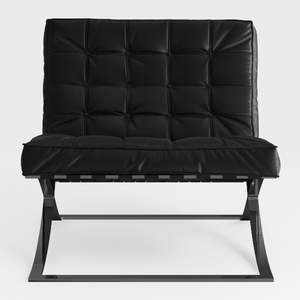
Modern Black Leather Tufted Metal Frame Armchair 3D Model

Homestyler is your go-to online home design platform! With its user-friendly design tool, stunning 3D renderings, a vast collection of design projects, and informative DIY video tutorials, transforming your space into a dream home has never been easier or more enjoyable. Start designing today!
Design Now for FREE
































