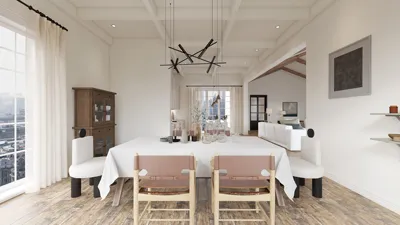


I frequently opt for an 8x10 rug in living spaces more than any other dimensions because it consistently strikes the perfect balance—spacious enough to define a seating area while allowing the edges of the floor to remain visible. This footprint effectively delineates flow, organizes furniture arrangements, and mitigates sound in open layouts. The effects are not merely aesthetic; studies reveal that our surroundings significantly influence our emotions and behaviors at home. Insights from Gensler indicate that well-defined spaces minimize visual clutter and promote relaxation and social interactions, both essential for an inviting living room atmosphere. Furthermore, color psychology studies shared by Verywell Mind suggest that warm neutral hues and soft blues can alleviate stress and cultivate tranquility—considerations that are beneficial when selecting rug colors for comfortable living.
Comfort involves measurable aspects. WELL v2 prioritizes acoustic wellness, and a plush rug can absorb mid-to-high frequency sounds that often render conversations tiring. Even in carpeted environments, I still recommend an 8x10 rug under seating because layered fabrics enhance warmth perception and decrease reverberation, usually leading to better sound clarity. Research by Steelcase correlates decreased cognitive overload with fewer environmental disturbances; thus, a rug can be pivotal in creating a quieter setting. If you're experimenting with room layouts—like sofa placement, chair arrangements, or pathways—utilizing a room layout tool is a great way to confirm clearances before deciding on a rug size.
Getting the 8x10 to Fit Your Room Proportions
I begin with two guiding ratios. First, aim for 8-18 inches of visible floor surrounding the rug’s edges to prevent a cramped feeling. Secondly, ensure that at least the front legs of all seating pieces rest on the rug to unify the arrangement. In smaller living areas (10x12 to 12x14 feet), an 8x10 rug typically accommodates the front legs of the sofa and side chairs while maintaining a clean outline. For medium-sized rooms (13x16 to 15x18 feet), I recommend having all legs on the rug to tighten the visual composition and enhance sound absorption beneath the seating.
Sofa, Sectional, and Chair Layout Strategies
For an 84-90 inch sofa, position the rug so that the front third of the sofa depth is on the pile, with side chairs echoing this arrangement. With L-shaped sectionals, ensure the corners of the rug align with the sectional arms; the shorter arm's front legs should rest on the rug to maintain stability. In scenarios where flow passes behind the sofa, completely floating the seating on an 8x10 rug while keeping a 30-36 inch walkway between the sofa back and wall console is ideal. If the arrangement is asymmetrical, leverage the rug to define the conversation space instead of aligning with the walls—use end tables and floor lamps to finalize the defined area. Rapidly test these configurations with an interior layout tool for efficiency.
Choosing Colors and Patterns: Calm Backgrounds vs. Bold Statements
I view the rug as either a soothing backdrop or the focal pattern in the room. For a serene color scheme, soft grays, oatmeal, and muted blues generally help reduce arousal levels, echoing findings by Verywell Mind that indicate cool, subdued tones promote relaxation. If your furniture is neutral, a mid-sized geometric pattern or subtle stripe can add a rhythmic touch without dominating the visual field. In situations with more vibrant room designs, be decisive: a deep indigo base or vintage medallion can create hierarchy while concealing daily wear. Maintain quieter wall colors and large upholstery when using a prominent rug design to prevent visual chaos and fatigue.
Material and Texture: Performance Where It Counts
Under a coffee table and amidst frequent foot traffic, the choice of fiber is crucial. Wool is my go-to for its durability, inherent soil resistance, and acoustic properties. Hand-tufted rugs offer extra plushness; hand-knotted styles provide longevity and clear designs. For family-friendly spaces, consider wool blends or synthetic options like solution-dyed nylon or PET that are resistant to stains and wear. Jute or sisal looks beautifully organic but should be paired with a thick felt pad to enhance comfort and manage curling edges. If your home has floor heating, be sure to check the rug’s R-value and select a breathable pad to ensure effective heat transfer.
Managing Light, Glare, and Sheen
Rugs interact with natural light more than one might think. In brightly lit south-facing rooms, high-sheen viscose can create glare and show footprints; I prefer the matte finish of wool or low-sheen PET options. For reading or working in the living area, the Illuminating Engineering Society (IES) recommends around 300-500 lux for task lighting; a darker rug can help ground brighter environments while a very light rug might amplify glare, especially near glass surfaces. Always balance the color temperature of artificial lighting (2700-3000K) with the rug’s undertones to prevent unwanted color casts during nighttime.
Achieving Acoustic Comfort: Quieter Spaces, Better Conversations
Living rooms with hard surfaces can feel overly lively when empty. Once you introduce an 8x10 rug along with softer furnishings, it tends to reduce the reverberation time sufficiently for voices to sound warmer and television dialogue clearer. Adding a dense felt pad (3/8-1/2 inch) beneath the rug enhances sound absorption at conversational frequencies without creating a bulky look. This is a simple yet impactful upgrade in open layouts where kitchen and living areas share significant airspace.
Complementing Coffee Tables and Side Furniture with Scale
Maintain 14-18 inches between the sofa edge and coffee table for easy access. With an 8x10 rug, this typically allows for a 48-54 inch coffee table for standard sofas or a 60 inch oval table for sectionals. Ensure that side tables are either fully on or completely off the rug; having them straddling the edge can cause instability and visual disarray. Tall furniture appears more deliberate when positioned with their front legs on the same rug boundary as the sofa.
Creating Zones in Open Plans with a Single Rug
Utilize the 8x10 rug to delineate the living area in a loft or a spacious room, aligning its longer side with the primary axis (often towards windows or a fireplace). When a dining table is nearby, refrain from overlapping rugs; maintaining at least 36 inches between rug edges ensures clean pathways. Repeating colors—a hue in the rug mirrored in cushions or artwork—helps unify the larger space without enforcing an overly matched appearance.
Rug Care, Durability, and Indoor Air Quality Management
Opt for low-VOC rug pads and verify that any adhesives used conform to current emissions standards if you're adhering anything. Regular vacuuming with a brushless head is essential for loop piles to avoid fuzzing. Rotate the rug every six months to even out sunlight exposure. Address spills immediately; for wool, gently blot with cool water and mild soap, taking care to avoid excess moisture. In sunlit rooms, a UV-filtering sheer can prolong the rug’s color life without compromising natural light quality.
Rug Budgeting and Longevity Considerations
I advise clients to invest in the quality of the fiber and padding rather than on adornments like fringe or trendy shapes. A high-quality wool 8x10 rug accompanied by a dense pad will outlast two or three cheaper alternatives and will also have better resale value should you decide to change decor styles later on. When experimenting with patterns, choose classic geometrical designs in moderate contrast instead of extreme highs or lows; they effectively mask wear and remain adaptable through redecorations.
Additional Resources for Further Exploration
Dive into research on workplace and home comfort that can inform residential layout strategies via Gensler’s extensive research library, alongside color-psychology summaries available at Verywell Mind. These references consistently highlight the significance of spatial zoning, acoustic comfort, and color in influencing mood and effectiveness.
Frequently Asked Questions
If your space measures about 10x12 feet, an 8x10 rug usually fits well while allowing for a slim border of floor exposure. The important factor is to ensure at least 8-12 inches of visible floor on the shorter sides and place the front legs of seating pieces on the rug.
In larger, spacious rooms, an 8x10 indeed creates a cohesive island effect and enhances sound absorption. In tighter spaces, having the front legs on and the back legs off maintains proportion.
Wool blends and solution-dyed synthetics (nylon or PET) handle spills and wear effectively. Look for low-shed patterns and pair them with moisture-resistant padding for optimal results.
Under warm lighting (2700K), earth tones typically appear richer; in cooler light (3000K+), blues and grays look crisper. Always sample colors in your home and assess them throughout different times of the day.
Absolutely! Align the rug parallel to the sectional arms, ensuring that the front legs of both arms rest on it. If the sectional has a substantial depth, you may consider placing all legs onto the rug for improved stability.
A 3/8-1/2 inch dense felt pad is excellent for comfort, reduces shifting, and enhances sound absorption without elevating the risk of tripping.
Rugs effectively absorb mid-to-high frequencies, minimizing echo and the harshness of conversations. Ample layers of textiles—including rugs, drapes, and upholstered seating—amplify this effect.
Plan for a space of 14-18 inches from the sofa edge to the coffee table for accessibility, and 30-36 inches for main pathways surrounding the seating area.
Not if the proportions are correct. Medium-scale patterns in moderate contrast can add depth without overwhelming the room. High contrast micro-patterns may create a crowded feel in smaller spaces.
Utilize a quality felt pad slightly smaller than the rug itself, avoid humid storage locations, and consider reverse-rolling the edges for a day post-delivery if needed to ensure a flat finish.
These rugs possess a firmer texture and are less plush. Pair them with a thick pad to enhance comfort and alleviate foot fatigue.
Weekly vacuuming, rotating the rug biannually, and promptly blotting any spills with cool water and mild detergent are essential maintenance practices. Avoid using aggressive beater bars on loop rugs to maintain their quality.


Looking to transform your home? Homestyler is your go-to online design platform! With its user-friendly design tool, stunning 3D renderings, a plethora of inspiring design projects, and helpful DIY video tutorials, you can create your dream space effortlessly. Get started today!
تصميم الآن مجانا
































