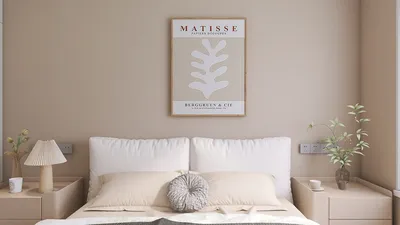


For over ten years, I've been recommending wooden side tables for various settings, including cozy apartments and spacious family homes. The most excellent choices not only enhance aesthetics but also serve multiple purposes such as anchoring seating areas, facilitating daily routines, and developing a charming character over time. In living spaces, side tables oftentimes endure more wear and tear than coffee tables, handling hot mugs, dropped items, lamps, and even footrests. Therefore, the challenge is to achieve a harmonious balance between proportion, durability, and finishes that harmonize with your interior design while withstanding the rigors of everyday life.
When selecting a side table, the scale is crucial. Most sofas boast a seat height ranging from 17 to 19 inches, while arm heights generally vary between 24 and 26 inches. A side table aligning with the height of the sofa arm, or sitting within 1-2 inches below, facilitates ease of access to lamp switches and minimizes wrist strain. Research by Herman Miller reveals that the ideal reach zones lie between elbow and shoulder height, reducing awkward positions. This principle keeps essential items like lamps and remotes within easy grasp, minimizing micro-strain during frequent use. Additionally, the Illuminating Engineering Society suggests maintaining ambient light levels between 150 and 300 lux in living rooms, and 300 to 500 lux for reading tasks; positioning a table lamp correctly upon a sturdy wooden side table assists in meeting these requirements while avoiding glare.
Durability should be a top priority when choosing a side table. WELL v2 standards emphasize the importance of low-emitting materials and good indoor air quality; opting for solid wood with low-VOC finishes or waterborne lacquers significantly limits off-gassing. In terms of aesthetics, color psychology indicates that warm wood tones foster a sense of comfort and relaxation in social areas. Rich walnut and medium oak often evoke warmth and stability, while lighter woods like ash and maple visually uplift a room without overwhelming its appearance. I find that lighter woods work well in coastal or Scandinavian-themed settings, while deeper woods like walnut or stained oak complement bolder color schemes.
Choosing the Right Size and Proportion
Begin by measuring the height of your sofa's arms: aiming for a side table height of 22 to 26 inches works best for most seating options. Depth is an important factor too—table tops should maintain dimensions between 16 and 22 inches to keep pathways clear. For sectional sofas, a square table measuring 20 to 24 inches or a round top sized 18 to 22 inches fits perfectly at corner junctions, whereas slim tables measuring 12 to 14 inches wide can comfortably slot between a chaise and the wall. When placing two tables alongside a sofa, I ensure their widths align within 2 inches to maintain a balanced aesthetic. If you are evaluating your options further, using an interior layout tool like Homestyler can effectively simulate space and accessibility.
Wood Species and Finish: Performance Meets Character
The choice of wood species significantly influences both visual appeal and durability. Oak varieties—whether red or white—are known for their distinctive grain and impressive dent resistance. Walnut offers a straight grain and a rich hue that ages beautifully; ash presents a lighter, neutral appearance that enhances modern interiors; while maple's pale and smooth surface can show flaws without proper treatment. For families with consistent use, I typically recommend hardwoods with a satin polyurethane or hardwax oil finish since satin finishes obscure minor scratches more effectively than glossy ones. If the table is likely to endure frequent exposure to hot cups, request a heat-resistant topcoat or a conversion varnish, as this small investment can vastly extend the table's lifespan. For rustic aesthetics, consider wire-brushed oak to hide potential wear; for a minimalist approach, a clear matte finish on ash preserves clean lines and minimizes visual clutter.
Form, Function, and Storage
Determine the primary function of your side table. If it's mainly for a lamp, opt for a stable 20-inch round table with a robust base that hides cords effectively. For homes filled with remotes, incorporating a single drawer or shelf aids in surface organization without detracting from the overall design. Nesting tables are advantageous in compact areas; pull out the smaller piece for additional seating while hiding it when not in use. C-shaped tables can seamlessly slide beneath sofa frames for convenient laptop use; ensure they have smooth edges and adequate knee clearance. If you frequently entertain guests, consider a lip-detail edge or a raised rim on smaller tables to contain spills. I also recommend avoiding open frames in bustling homes with pets; tails and toys can easily get caught in them.
Lighting, Glare, and Reading Comfort
A wooden side table must facilitate optimal lighting. Aim for lamp heights that position the bulb slightly below eye level when seated to minimize glare. Keeping in mind the recommended reading light levels of 300 to 500 lux, a 7-10 watt LED (roughly 600-800 lumens) in the 2700-3000K color temperature range creates the perfect reading ambiance. Use darker lampshades or textured fabrics to diffuse bright lights that may bounce off shiny surfaces. If your side table is situated near a window, be mindful of reflective materials—matte wood and satin finishes help control glare and enhance comfort. Adding felt pads beneath the lamp base also alleviates micro-vibrations that may cause flickering for sensitive readers.
Human Factors: Edges, Reach, and Clearance
In compact spaces, prioritize rounded corners to prevent bumps on hips and shins. Maintain at least 18 inches of clearance for movement around the table. If installing a side table next to a recliner, ensure it doesn’t obstruct the footrest path; I suggest allowing 4-6 inches between the arm of the recliner and the table edge. For families with children, corners with a chamfered or softened bullnose profile are less likely to cause injury. Drawer pulls should be designed to be reached without extending more than 10-12 inches forward while seated; if reaching requires more than that, users tend to twist and slump, leading to discomfort.
Style Pairings That Age Well
- Round walnut pedestal tables work exceptionally well with mid-century sofas or slim-leg tables in teak tones.
- Contemporary modular seating pairs best with blocky plinth-base tables in ash or rift-cut oak finished in matte.
- Traditional roll-arm sofas come to life with turned-leg oak tables or small-scale drum tables featuring inlay.
- Rustic and farmhouse styles benefit from reclaimed oak tables showcasing breadboard ends and visible joinery; sealing tops prevents staining.
- Minimalist interiors favor a singular striking piece: a monolithic side table in ebonized oak or charred finish, complemented by soft textiles.
Acoustics and Material Synergy
Wooden side tables contribute subtly to acoustic comfort by breaking up hard sound reflections, particularly effective when combined with fabric shades and area rugs. In spaces laden with glass or plaster, selecting open-grain oak or textured ash improves sound diffusion compared to polished stone or metal surfaces. Additionally, felt-lined drawers and cork coasters can lessen noise from items like keys and glassware.
Sustainability and Healthy Materials
Opt for solid wood sourced from responsibly managed forests and inquire about low-VOC finishes to achieve better indoor air quality compatible with WELL v2 standards. Avoid composite cores if you have concerns about off-gassing; when veneers are in use, choose formaldehyde-free substrates. Finishes based on plant oils allow for easier spot repairs, ultimately extending the lifespan of your table and minimizing the need for replacements.
Layout and Placement Strategies
Ensure that at least one side table is easily accessible from every primary seating area. In setups featuring L-shaped arrangements, utilize a square or round table at the corner junction to function for both zones; at the open end, a slim rectangular table allows for clear movement. Maintain a minimum of 3 feet between the table and principal walkways to ensure smooth traffic flow. If you are exploring different arrangements before finalizing, utilize an interior design visualization tool like Homestyler to quickly confirm that each seat has a surface for drinks and lighting without obstructing pathways.
Maintenance and Patina
Always use coasters and felt pads under heavier items to safeguard your wooden side table. Clean spills promptly with a mildly damp cloth followed by a dry one. In high-use homes, refresh hardwax oil finishes annually; for polyurethane, minor abrasions can be polished with a fine pad, and a recoat should be done by a professional when the sheen begins to look uneven. Embrace minor dents—they add character to your furnishings. If a white ring appears from moisture trapped in the finish, a gentle heat treatment using a hair dryer on a low setting can often remove it; just be sure to test this in a less visible area first.
Budget and Value
When choosing a side table, entry-level solid wood options in ash or rubberwood with clean joinery provide longevity compared to veneered particleboard. Mid-tier tables crafted from oak or walnut with quality hardware yield the best long-term benefits. Custom-made pieces can be worth the investment, especially when specific heights or dimensions are essential. If purchasing multiple units, order them simultaneously to ensure finish and grain consistency.
Key Takeaways
- Align table height with sofa arm height for enhanced comfort and lamp accessibility.
- Select wood species and finishes that offer both beauty and durability; satin or matte topcoats are ideal for concealing wear.
- Verify that every seat has convenient access to a surface and adequate lighting as per IES recommendations.
- Prioritize low-emitting finishes and responsible sourcing to create healthier indoor environments.
- When uncertain, use a room design visualization tool to prototype arrangements that ensure comfortable circulation and ergonomics.
FAQ
1) What height should a wooden side table be next to my sofa?
Aim for a height that is within 1-2 inches of the sofa arm, generally between 22 and 26 inches. This setup promotes comfort for lamp usage and drink placement without causing wrist strain.
2) Round or square—what shape works best?
Round tables can ease tight spaces and reduce bumps in cramped walkways, while square or rectangular designs maximize surface area and fit neatly alongside straight-arm sofas.
3) Which wood species is the most durable for everyday use?
Oak stands out as a leading option due to its dent-resistance and distinct grain that helps conceal wear. Walnut is also durable and develops an appealing patina; while maple is hard but may reveal dings more clearly on smooth, light surfaces.
4) How do I choose a finish that won’t highlight every scratch?
Satin or matte finishes mask micro-scratches more effectively than glossy options. Wire-brushed oak textures can also help hide wear in high-traffic households.
5) What lighting setup should I consider for reading beside a side table?
Aim for a 7-10W LED providing 600-800 lumens at a color temperature around 2700-3000K, with the bulb positioned slightly below eye level when seated to meet IES's 300-500 lux reading standard, contingent on shade type and distance.
6) What clearance should I ensure around a side table?
Maintain at least 18 inches of clearance for movement, with primary pathways approximately 36 inches wide to avoid congestion.
7) Can wooden side tables positively impact acoustics?
Indirectly, yes. Wooden surfaces and textured grains help scatter sound reflections more effectively than hard glass or polished stone. Pair these with rugs and fabric shades for enhanced acoustic comfort.
8) Are low-VOC finishes beneficial?
Absolutely. Low-VOC or waterborne finishes improve indoor air quality and align with WELL v2 principles while being increasingly durable and safer for households with children or pets.
9) How do nesting tables function in small living rooms?
They provide a flexible surface area: pull the smaller table out for guests, then neatly tuck it away. Make sure the tops are within 2-3 inches in height for a cohesive look when stacked.
10) What edge profile is ideal for homes with kids?
Rounded or bullnose edges help mitigate impact severity. Sharp miters at knee height should be avoided; a soft chamfer is a great compromise for achieving a clean appearance.
11) Is having a drawer necessary?
Not necessarily. If you need a space to hide remotes and chargers, a slim drawer can be convenient. Otherwise, an open shelf keeps the table looking lighter and more open visually.
12) How can I prevent wood from staining under hot mugs?
Ask for heat-resistant finishes like conversion varnish, or consistently use coasters. For existing tables, adding a durable desk blotter or leather mat can protect the surface beneath frequently placed mugs.
13) What’s the ideal footprint for a sectional corner?
A square measuring 20-24 inches or a round option of 18-22 inches typically fits well in most sectional corners, allowing for two seats while ensuring enough legroom.
14) Can I mix wood tones with my flooring?
Absolutely—contrasting tones can work harmoniously. If your floors are dark, consider lighter options like ash or natural oak; conversely, if they are light, walnut or espresso-stained oak can add depth. Consistency with similar tones elsewhere in the room (such as frames or trays) can enhance cohesion.
15) How do I maintain the finish over time?
Regularly dust with a soft cloth, wipe with a damp cloth, followed by drying, and yearly re-oil hardwax finishes in high-use areas. For polyurethane finishes, schedule a professional scuff-sanding and recoat once the sheen starts becoming uneven.

Minimalist Solid Pine Wood Side Table Small Accent End Table 3D Model
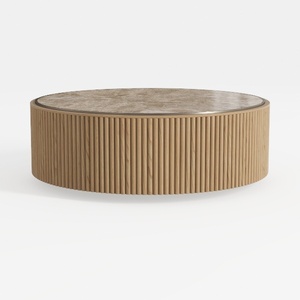
Modern Fluted Solid Wood Marble Top Round Coffee Table 3D Model
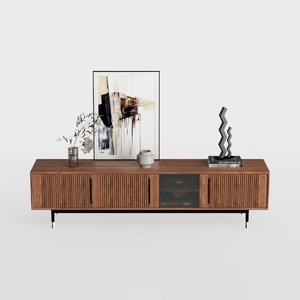

Modern Minimalist Walnut Fluted Door TV Cabinet 3D Model
Looking to transform your space with ease? Try Homestyler! This user-friendly online home design tool offers stunning 3D renderings, inspiring design projects, and helpful DIY video tutorials. It's perfect for anyone wanting to unleash their creativity and visualize their home ideas effortlessly.
Design jetzt kostenlos
































