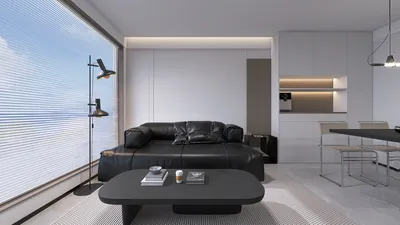


Once, I acquiesced to a client’s unusual request to cover their entire compact kitchen in "the whitest white you have" — and we almost lost dinner service when the walls turned icy beneath the evening lights. This understated disaster taught me the importance of testing white shades in real lighting conditions and aligning paint with the appropriate layout. When drafting ideas for clients, I frequently begin with basic space planning before selecting a color. Small kitchens necessitate intelligent decisions, and white paint can be a tool for either enhancing or diminishing a space's appeal with the right approach, such as using Homestyler for design visualization.
1. Selecting the Right White Undertone
Not every shade of white is neutral — while some skew warm (yellow or cream), others are cooler (blue or gray). I tend to favor warm whites for inviting, appetite-enhancing kitchens, whereas cool whites suit modern, clean aesthetics. The real challenge lies in harmonizing with cabinet finishes, making it essential to apply a large swatch on the wall and observe it at various times to assess its appearance.
save pin
2. Choose the Best Finish for Kitchen Walls
Flat paints conceal wall imperfections but are harder to maintain, whereas eggshell or satin finishes provide a subtle sheen and are easier to clean without appearing overly glossy. In busier kitchens, I typically recommend a satin finish on walls and semi-gloss for trim and areas surrounding the sink; however, be aware that sheen can highlight brush marks, making preparation essential.
save pin
3. Create Contrast with Cabinets and Backsplash
White walls serve as a flexible backdrop, but integrating contrast is crucial to avoid a dull appearance. Incorporating darker lower cabinets, natural wood tones, or a patterned backsplash can introduce depth. If you're looking to visualize how your kitchen would look with various cabinet colors alongside white walls, utilizing mock-ups, such as those available in Homestyler, can help illuminate how undertones interact with different materials, saving you both time and potential regret.
save pin
4. Utilize Lighting to Adjust Whites
The temperature of lighting can dramatically alter the appearance of white paint: warm LED lights can warm up a cool white to a creamier tone, while daylight bulbs reveal the paint's authentic undertone. I remember changing a bulb and instantly warming the atmosphere without needing to repaint — strategically selecting lighting is an affordable way to enhance the ambiance.
save pin
5. Introduce Texture and Lasting Protection
White paint combined with textured elements like beadboard, matte tiles, or woven rattan can prevent the room from feeling sterile. For areas that require a backsplash or high durability, I sometimes recommend using washable paint accompanied by a narrow tile band. For a realistic preview, I often create a photorealistic 3D render using tools like Homestyler to confirm our choices before finalizing them.
save pin
FAQ
Q1: What is the best white for small kitchens?
A1: Opt for a warm white to foster a cozy atmosphere in a compact kitchen, or select a cool white for a modern, brighter aesthetic. It's important to test large swatches under both natural and artificial light before making your decision.
Q2: Should I choose semi-gloss or eggshell for the kitchen?
A2: I often recommend satin or semi-gloss finishes near wet or grease-prone areas for ease of cleaning, while using eggshell in other areas to minimize the effect of sheen; however, keep in mind that any level of sheen can highlight imperfections, so thorough preparation is vital.
Q3: How can I prevent white walls from appearing sterile?
A3: Introduce contrast with elements like darker lower cabinets, textured backsplashes, warm wood accents, or striking hardware to enhance depth and character without sacrificing lightness.
Q4: Can white paint make my kitchen appear larger?
A4: Absolutely — white has reflective qualities that can visually expand a small area, especially when complemented by consistent flooring and minimal visual distractions.
Q5: How do undertones influence white paint?
A5: Undertones (such as yellow, pink, blue, or green) affect how white is perceived under various lighting conditions and alongside different materials. Industry professionals recommend testing swatches in situ to avoid unexpected results.
Q6: Are there any recommended guidelines for selecting paint finishes?
A6: Paint brands like Benjamin Moore offer comprehensive guidance on undertones and finishes; refer to their color selection resources for technical insights and sample practices.
Q7: Is washable paint worth the additional investment?
A7: In kitchen spaces, scrubbable or washable paints are typically worth the marginal extra cost, as they keep walls looking fresher with less upkeep, particularly in cooking zones.
Q8: Can I alter my lighting or layout to avoid repainting?
A8: Often, yes — adjusting bulb temperature, introducing under-cabinet lighting, or experimenting with layout changes using design software can change the color perception of white, reducing the urge to repaint.
save pin
Discover your dream home with Homestyler! This user-friendly online design platform offers a powerful tool for creating stunning 3D renderings, a vast array of design projects, and engaging DIY video tutorials. Transform your space effortlessly, whether you're a novice or an expert!
立即免费设计
































