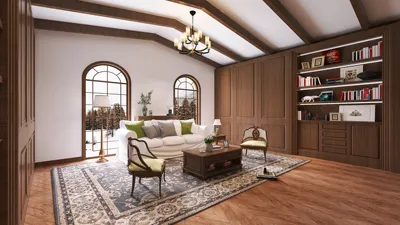


Coimbatore showcases a variety of wedding reception venues, ranging from modern ballrooms to picturesque outdoor lawns, each offering unique advantages in terms of capacity, visual appeal, and logistics. When evaluating these spaces, I approach them as a designer would a stage: factors such as lighting, sound quality, seating arrangement, and ease of service access all impact the seamlessness of your event. Guest comfort is a quantifiable aspect; research from Steelcase shows that environments designed with human-centric layouts not only enhance comfort but also increase satisfaction—exactly what you desire for your reception. The WELL v2 framework further highlights that quality lighting and sound management are crucial for occupant well-being, a truth that seamlessly applies to wedding atmospheres.
Choosing the perfect hall goes beyond simple capacity; it requires understanding how light interacts with tables, how guests navigate between eating and dancing areas, and ensuring sound clarity reaches the last row without echoing. WELL v2 suggests mitigating glare, balancing color temperature, and maintaining suitable lighting levels, while the Illuminating Engineering Society recommends layered lighting for optimum visual comfort. By adhering to these guidelines, your celebration can feel more engaging and less strenuous—especially during lengthy ceremonies or vigorous dance segments. Insights from Steelcase on workplace arena efficiency are surprisingly applicable, as improved circulation can minimize bottlenecks and foster meaningful interactions, enhancing mingling during receptions and creating unforgettable photo opportunities.
Top Wedding Reception Venues: Design-Focused Selections
When recommending wedding halls in Coimbatore, I focus on four key criteria: versatile layouts, robust lighting systems, acoustic preparedness, and effective service workflows. While specific availability may differ depending on the season, these elements are essential for narrowing down venues that exude sophistication and operate smoothly.
Seek ballrooms equipped with dimmable LED lighting, distinct zones for dining and dancing, and accent features that showcase décor. A ballroom's ceiling height is crucial for sound management and sightlines—typically, heights of 4.5 to 6 meters accommodate stage setups while keeping acoustics well-balanced. Inquire about lux levels of 150–300 for dining tables and 300–500 for the stage to ensure guests are well-illuminated in photographs. Ensure lighting can transition in color temperature (2700–3500K warm for dining; 3500–4000K neutral for speeches) without abrupt changes. Venues that have recently enhanced their lighting and incorporated acoustic treatments generally provide a more refined experience for your event.
Outdoor receptions truly shine in Coimbatore's refreshing evening climate. Pay attention to ground conditions, power sources, and backup plans for changing weather. I recommend using modular tents with translucent roofs to minimize glare while providing even light; string lights can enhance intimacy, yet make sure to place adequate task lighting at buffet tables and stages. Techniques to mitigate wind, directional sound systems, and non-reflective flooring also help manage noise and safety. Designated paths for arrivals, buffets, and bars can prevent congestion in photo-worthy spots.
Heritage venues bring character and charm. Verify that historic halls can handle stage setups safely with reinforced flooring for vendor load-ins. Their allure comes from design elements like stone, wood, and plaster—but these materials can create acoustical challenges. Incorporating soft furnishings, area rugs, and fabric drapery behind stages can significantly enhance sound clarity. It's wise to conduct a rehearsal of the audio-visual setup to check for echoes and feedback issues.
For larger gatherings, choose divisible halls with movable partitions. A well-equipped convention center should provide green rooms strategically located near the stage, unobstructed service corridors, and overhead rigging for decorations. Check the venue's power capacity for lighting installations and the availability of backup generators. Design multiple breakout lounges to allow elderly attendees to rest and children to play safely, maintaining the elegance and neatness of the main hall.
Capacity, Comfort, and Traffic Flow
Understanding capacity involves more than just counting chairs; it encompasses comfortable guest movement. I recommend maintaining 1.2 to 1.5 meters between banquet seating rows and at least 2 meters as buffer zones around dance floors. For weddings with 300-400 attendees, think about arranging seating in clusters of 8-10 per round table with clear views to the couple's stage. Placement of bars and buffets should be thoughtfully spaced to manage traffic efficiently, ideally with two service areas to minimize long waits. If you plan to experiment with table configurations, using a room layout tool can effectively visualize seating density and flow before finalizing the design.
room layout tool
Lighting That Enhances Your Festivities
Lighting plays a vital role in establishing mood and influencing behavior. According to IES standards for hospitality settings, a layered approach to lighting is key: ambient (150-200 lux), accent (for centerpieces and decorative displays), and task lighting (for buffets and pathways). Warm color tones are more flattering for skin and golden decor, whereas neutral tones improve the visibility of the stage. Avoid uplighting that could obstruct cameras or cast harsh shadows on guests’ faces. Control of glare is critical—using diffusers and indirect lighting sources encourages guests to feel more at ease and enjoy the event for longer.
Sound Quality and Audio Strategy
Excellent sound is only recognized when it’s intrusive. Employ directional speakers to maintain lively energy on the dance floor without overwhelming diners. Soft materials—such as table linens, drapes, and upholstered seating—help mitigate and absorb sound reflections. When amplifying speeches, conservatively adjust microphone gain and perform tests for any areas lacking sound coverage. If the venue features parallel walls and high ceilings, consider implementing acoustic treatments behind the stage to reduce flutter echoes.
Color, Material Selections, and Psychological Impact
Colors can significantly affect feelings and behaviors. Insights from color psychology reveal that warm shades evoke invite and celebration, while cooler hues provide calm and balance. Metallic finishes—like gold or brass—shine brilliantly under warm lighting. For materials, opt for low-VOC options and breathable fabrics to ensure a healthier atmosphere, particularly in crowded settings. Organic textures such as wood or rattan can soften contemporary ballrooms and harmonize with floral arrangements. Consistent color schemes across stages, tables, and entrances create a unified visual experience.
Vendor Coordination and Back-of-House Efficiency
The elegance perceived by guests largely depends on the behind-the-scenes operations. Confirm the routes vendors will take, designate preparation areas, and set up timely slots for unloading and striking equipment. An optimally located service corridor prevents staff from crossing guest lines during key events. I prefer green rooms positioned behind the stage for quick outfit changes and discreet audio-visual booths with a clear line of sight to the stage.
Guest Comfort: Seating, Environment, and Accessibility
Comfort is grounded in ergonomics: supportive chair designs, table heights around 750mm, and sufficient legroom facilitating easy exits without disturbing neighbors. Ensure indoor temperatures are maintained between 22-24°C, with consistent airflow; be cautious of air vents directing airflow directly onto tables. Provide accessible ramps and step-free pathways for elderly guests and strollers, along with quiet areas suitable for conversations away from loudspeakers.
Planning Schedule and Budget Considerations
Secure venue bookings 6 to 9 months in advance for high-demand dates. Allocate a budget emphasizing lighting and audio—these elements impact atmosphere more than additional decor. Set aside contingency funds for generators or weatherproofing measures if outdoors. Obtain necessary permits for music and extended hours as required, and always conduct a comprehensive rehearsal with your master of ceremonies and audio-visual team.
Frequently Asked Questions
Anticipate needing 30-38 round tables accommodating 8-10 seats each, along with circulation paths and a 6-8 meter buffer in front of the stage. This layout ensures clear sightlines and minimizes crowding.
During dinner, utilize 150-200 lux ambient lighting for a cozy vibe, then intensify stage lighting to 300-500 lux for speeches. Maintain color temperatures around 2700-3500K for flattering skin tones.
Inquire about the presence of acoustic panels, soft finishes, and directional speaker options, as well as the venue's experience with live bands. Properties with parallel walls and tall hard ceilings often require additional drapery to combat echoes.
Yes, outdoor setups can be quite enchanting with proper modular tenting, wind management, and dependable power sources. Consider necessary contingencies for weather fluctuations and provide task lighting in buffet and stage areas.
Warm neutrals, blush pinks, gold accents, and rich jewel tones photograph wonderfully under 2700-3000K lighting, creating a festive atmosphere that boosts metallic details.
Facilitate at least two service fronts, stagger food options, and establish clear entry and exit lanes. Position bars separate from buffets to streamline guest movement and reduce crossover traffic.
For an energetic dance environment, allocate approximately 60-80 square meters but consider increasing the space if anticipatory continuous dancing is expected. Ensure a clear 2-meter perimeter for circulation around the dance area.
Definitely. Conducting a full rehearsal with audio-visual setup allows you to identify lighting hotspots, sound dead zones, and any potential traffic congestion, enabling you to resolve issues prior to the event day.
Position the stage centrally or slightly off-center, elevated between 600-900mm for clear sightlines. Avoid placing the stage directly in front of large windows to prevent backlighting complications.
Ensure accessibility with step-free paths, gentle ramp slopes, accessible restrooms, and seating arrangements that feature wider aisles. Clear signage and staff support will enhance guest experience as needed.
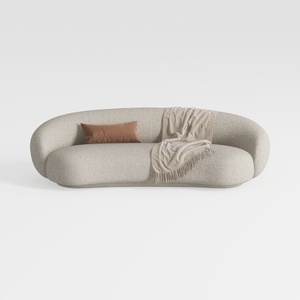

Minimalist Boucle Fabric Curved Sofa With Throw Pillow And Blanket 3D Model
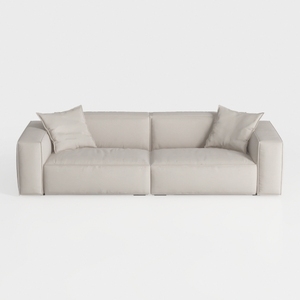
Minimalist Beige Fabric Modern Sofa with Throw Pillows 3D Model

Homestyler is your go-to online home design platform! With its easy-to-use design tool, stunning 3D renderings, and a wealth of design projects and video tutorials, you can effortlessly transform your space into your dream home. Unleash your creativity today!
Design Now for FREE
































