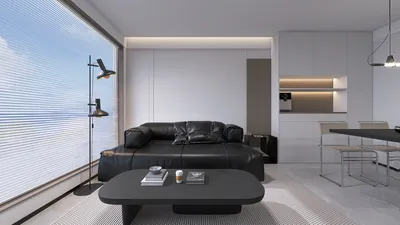


Designer wallpaper has the ability to anchor a living space, set the desired mood, and address challenging proportions—all without requiring structural changes. I often rely on this versatile option to introduce depth in areas where architectural features are minimal and to delineate spaces within open floor plans. Research supports the notion that surface textures and color selections influence our emotions and functionality at home: the WELL v2 framework emphasizes the connections between our visual surroundings and occupant well-being, particularly highlighting principles of glare management and color harmony derived from effective lighting and materials strategies. Similarly, Steelcase’s studies on behavioral settings suggest that clearly defined visual cues, like wall treatments, can enhance intended usage and comfort, making them among the simplest cues to apply.
Color psychology consistently demonstrates that hues can influence our emotions and behaviors. According to findings summarized by Verywell Mind, shades of blue and green are known to foster tranquility and focus, while warm reds and oranges can energize and encourage social interaction. In living areas designed for both conversation and media viewing, I typically adjust the color saturation, striving for a Light Reflectance Value (LRV) of between 35 and 55 behind televisions to find a balance that mitigates visual fatigue—this strategy aligns with visual comfort guidelines outlined in WELL v2 and practices derived from IES glare recommendations.
Choosing the Right Wallpaper for Your Living Room
I begin the selection process with three key considerations: light, scale, and function. Rooms with abundant natural light can accommodate richer colors and low-contrast patterns; conversely, north-facing or shaded areas benefit from mid-tone options or lighter palettes that reflect light without causing glare. For smaller rooms under 160 square feet, I recommend medium-scale patterns (6–12 inch repeats) to maintain a rhythmic design without overwhelming visual noise. In larger spaces or those with high ceilings, bold patterns and textural wallcoverings, such as grasscloth, can create a striking look from a distance. If the living area also serves as a media room, it’s advisable to steer clear of high-gloss metallic finishes directly facing screens to reduce reflections.
- Social spaces designed for evening use may benefit from warm neutrals accented with terracotta, amber, or muted coral to enhance a convivial atmosphere, supported by insights from color psychology shared by Verywell Mind.
- Calm reading nooks can utilize desaturated greens or soft blue-gray tones to create a comfortable environment.
- Family-friendly areas that experience high traffic should opt for mid-tone colors that can mask scuff marks; consider vinyl-coated or scrubbable substrates that can withstand frequent cleaning.
Strategies for Placing Wallpaper to Enhance Proportions
Wallpaper proves most effective when it adjusts our perception of space. I use vertical stripes or trellis designs to give the illusion of height in rooms with ceilings between 8 and 9 feet, while broad, horizontal grasscloth patterns can widen narrow spaces. To visually shorten an excessively tall room, applying a darker wallpaper to the lower two-thirds, combined with a picture rail or molding, can create balance. In open-concept areas, implementing a single feature wall behind the sofa can delimit social zones without physical partitions. For effective furniture arrangements and traffic flow, utilizing a room layout tool like Homestyler can aid in visualizing how wallpapered focal points interact with seating arrangements and sightlines.
- Position wallpaper behind the main sofa to establish social emphasis.
- Frame architectural elements like a fireplace with wallpaper to enhance its presence.
- Use wallpaper in a bay window or alcove to transform unused space into a cozy reading area.
- On the wall where the TV is located, opt for low-contrast, matte patterns to reduce glare and moiré effects.
Lighting, Sheen, and Visual Appeal
Different color temperatures can change how patterns are perceived. I test wallpaper samples under warm LED lighting rated between 2700K and 3000K for evenings and around 3500K for multi-purpose spaces. It’s best to avoid direct lighting on heavily textured or metallic wallpapers since this can highlight imperfections; such light sources may create excessive glare and shadows. I aim for a layered lighting approach, integrating ambient (general), accent (art and shelving), and task (reading) lighting, while ensuring dimmable options to enhance the mood. The light concept in WELL v2 and IES glare management principles recommend balanced luminance ratios around focal walls to alleviate eye strain.
Material Selection: Where Performance Meets Texture
- Grasscloth and natural fiber wallpapers offer stunning textures and visual depth, but should be kept out of strong sunlight and moisture; they require spot cleaning only.
- Non-woven wallpapers are dimensionally stable and easier to install and remove, making them perfect for renters or those looking to refresh their decor frequently.
- Vinyl and performance wallcoverings provide scrubbable and stain-resistant qualities, ideal for households with children or pets; it’s advisable to opt for low-VOC materials to enhance indoor air quality as per WELL v2 standards.
- Printed murals can create immersive experiences with fewer seams; it’s essential to confirm custom sizing to avoid key visual elements ending up behind large furniture pieces.
Pattern Scale, Rhythm, and Room Dimensions
For harmonious rooms, I ensure that the pattern repeat aligns with the scale of dominant furniture. A 9–12 inch repeat complements standard sofa widths (78–90 inches), allowing the eye to gracefully traverse the pattern across the seating. In elongated rooms that are more than 1.5 times deeper than their width, I favor designs that invite lateral motion to counteract a tunnel effect. For tall walls, I utilize darker shades or denser motifs at visual heights of 60–66 inches, lightening the pattern higher up for a balanced look.
Acoustics and Comfort Considerations
Soft, fabric-based wallcoverings can reduce mid-to-high frequency reflections, improving speech clarity in conversations. While wallpaper cannot replace acoustic panels, materials such as grasscloth, flocked papers, and backed textiles can enhance absorption, especially when used in conjunction with curtains and rugs. In entertainment spaces, these materials help to control brightness and clarity of sound for dialogues without needing to increase volume.
Installation: Preparation, Seams, and Corners
Achieving flawless results begins with proper substrate preparation: patching, sanding, and priming with a wallpaper-specific primer are essential. I always order an extra 10–15% to ensure alignment around doors and windows. When planning seams, position them away from direct light, as this can highlight any misalignments. In older homes with uneven corners, it's best to wrap patterns carefully or end cleanly on a vertical trim piece to avoid diagonal creep. For murals, dry-fitting panels on the floor before applying paste is advantageous for previewing alignment.
Maintenance and Longevity
It’s crucial to manage expectations based on the chosen substrate. Non-woven and vinyl-coated wallpapers can handle light soap-and-water cleaning, while natural fibers require dry cleaning methods. Employ coasters in frequently handled areas (like behind switch plates and remotes) and consider clear corner guards in high-traffic zones. In spaces with strong sun exposure, it’s wise to choose UV-resistant inks or utilize window films and lined draperies to mitigate fading.
Coordination with Furniture, Textiles, and Artwork
I typically select one primary design element, either the wallpaper or the area rug. If the wallpaper features intricate patterns, I tend to choose textured solids for upholstery while reintroducing smaller motifs in pillows or artwork. Wood tones and metallic finishes should harmonize with the undertones of the wallpaper, whether warm or cool. Artwork with strong linework is best displayed on subdued, mid-tone backgrounds, while large floral pieces benefit from simple frames and generous matting to provide space to breathe.
Budgeting and Value Optimizing
Allocate a larger budget for the primary feature wall and economize in other areas with paint that complements the wallpaper’s background. Wallpapers with generous vertical repeats may lead to increased waste, so it's important to confirm roll coverage during installation. For tight budgets, a striking mural on one wall combined with matching paint on adjacent surfaces can create a significant impact at a lower cost.
Trends for 2024–2025 That Will Stand the Test of Time
- Incorporating tonal botanical designs in muted palettes to maintain a sophisticated aesthetic rather than a thematic one.
- Utilizing textured neutrals such as linen weaves and silk effects that effortlessly blend with various furniture styles.
- Sparingly applying soft metallic inlays for evening shine while maintaining matte finishes during the day for camera-friendliness.
- Large-scale murals featuring biophilic designs—such as forest canopies or misty mountains—complemented by simple, solid upholstery.
Harmonizing Room Planning
It’s essential to consider wallpaper selections alongside furniture placements. Before finalizing a statement wall, experiment with seating arrangements and media positions using an interior layout planner like Homestyler. This approach minimizes conflicts between pattern focal points and functional sightlines, while also confirming scale compatibility before making any purchase decisions.
FAQs
Q1: Which wall should be designated as the feature wall in a living room?
A: Choose the wall that inherently draws the eye: typically behind the main sofa, surrounding a fireplace, or the wall directly facing the entrance. Ensure that it remains unbroken by doors or large windows for a cleaner pattern display.
Q2: Is it possible to use bold wallpaper in a smaller living room?
A: Absolutely—select a medium-scale pattern with limited contrast and keep adjacent surfaces understated. Incorporate mirrors and layered lighting to maintain brightness without compromising the pattern's impact.
Q3: What color temperatures are ideal for showcasing wallpaper at night?
A: Aim for 2700–3000K for a warm, inviting ambiance. If your palette leans cooler, consider adding some 3000–3500K light sources for clarity without sacrificing comfort.
Q4: Do textured wallpapers have any impact on acoustics?
A: To some extent. Grasscloth and flocked finishes contribute to sound absorption, enhancing clarity in conversation, particularly when paired with rugs, draperies, and upholstered seating.
Q5: What can be done to minimize glare on metallic or glossy wallpapers?
A: Position these wallpapers away from direct downlights and reflections from windows or TVs. Use wide-beam, diffused fixtures, coupled with matte paints on surrounding walls, to achieve balanced brightness.
Q6: Which wallpaper substrates are easiest for DIY installation?
A: Non-woven and paste-the-wall options tend to be more user-friendly and easier to remove. Pre-pasted products can work but require even activation; natural fibers are better left to professionals.
Q7: How much extra wallpaper should I purchase?
A: Generally, 10–15% more than the calculated area will cover pattern matching around openings and planned for repairs. Your installer can adjust this based on repeat size and room specifics.
Q8: Is it safe to use wallpaper in sunlit rooms?
A: Yes, provided you take precautions. Opt for UV-resistant inks or performance wallcoverings, and pair them with effective window treatments or films to reduce fading. Rotate art and accessories occasionally.
Q9: Can I install wallpaper over textured walls?
A: It’s feasible but not preferred. It’s advisable to skim-coat and sand the surface to achieve a smooth finish before priming with wallpaper-specific primer to ensure good adhesion.
Q10: What’s the best method for coordinating wallpaper with existing artwork?
A: Extract one or two accent colors from your artwork to introduce in pillows or throws, while keeping frames minimal. If the artwork is complex, choose a more subdued wallpaper with subtle textures instead of bold patterns.
Q11: What’s the best way to integrate layout planning and wallpaper choices?
A: Simulate placements for seating, TVs, and circulation paths using a room layout tool like Homestyler before finalizing a feature wall. Ensure you verify sightlines from entrances and key seating areas to maintain a meaningful focus on your selected wall.
Q12: Are performance vinyls excessively shiny for use in living rooms?
A: Not necessarily, as long as you opt for low-sheen or matte finishes. Many modern performance wallpapers resemble woven fabrics, offering excellent cleanability for families and pets.




Discover the magic of home design with Homestyler! This user-friendly platform offers an intuitive online design tool, stunning 3D renderings, a wealth of design projects, and insightful DIY video tutorials. Transform your space effortlessly and unleash your creativity today!
Design Now for FREE
































