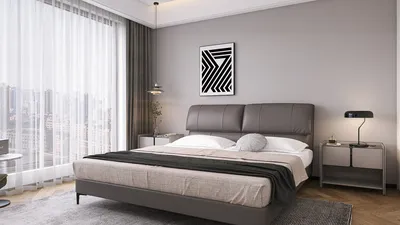


I view wallpaper as a dual-purpose element that influences both architecture and ambiance. It can adjust proportions, optimize lighting, enhance the acoustic environment, and shape interactions. In living rooms, which often serve as the home’s social hub, the choice of patterns and textures significantly impacts how long guests linger and the overall comfort of conversations.
Utilizing measurable design outcomes can guide wallpaper selection effectively. Warm tones and medium palettes generally foster relaxation and social connections. According to Verywell Mind's overview on color psychology, thoughtful application of warm colors can evoke feelings of comfort and vitality. In office environments, Steelcase's research links environmental factors with engagement and duration of stay; applying these principles at home, maintaining visual balance—ensuring neither a stark nor cluttered appearance—can help create an inviting atmosphere. The WELL v2 standards emphasize the importance of controlling glare and ensuring visual comfort, reminding us to match wallpaper gloss with ambient lighting to prevent harsh reflections. For more details on light comfort as per WELL v2, visit v2.wellcertified.com.
Developing a Concept Focused on Mood, Light, and Proportions
Wallpaper should fulfill a definite purpose in terms of design. If the sitting area functions as a spot for morning coffee, choose uplifting hues and patterns that attract soft daylight. Conversely, for evening gatherings, opt for deeper shades with a low-luster finish to mitigate glare, as highlighted by WELL v2’s guidance on managing reflective surfaces. I also consider the pattern scale relative to room size: smaller spaces benefit from intricate, fine patterns that blur visual edges, while larger areas can use medium-to-bold designs that add rhythm and counteract emptiness. While high-chroma accents can provide energy, I recommend limiting their coverage to a single wall or 30-40% of visible surfaces to prevent visual fatigue; this aligns with insights from Steelcase’s research focused on user comfort.
The Psychology of Color: Influencing Social Interactions
Color temperature plays a crucial role in setting the mood. Soft greens and muted blues foster calming and restorative discussions, while warm taupes, terracotta, and honey neutrals convey warmth and hospitality. Summary findings from Verywell Mind indicate the welcoming nature of warm shades, whereas cooler ones can lower physiological responses, making them ideal for quiet reading nooks. Typically, I pair warm tones with ambient lighting set between 2700-3000K and cooler hues with 3000-3500K, preserving chromatic integrity without skewing the visual appeal.
Pattern Scale and Cadence
The scale of the patterns must respect sightlines and seating structures. Micro-patterns such as pin-dots and linen weaves help minimize visual distractions behind large televisions or art walls. Medium patterns, including geometric shapes or soft floral prints, can add rhythmic enhancement to conversational spaces without overshadowing the main focus. Large murals or panoramic scenes can act as visual anchors—ideally positioned behind a couch or opposing seating areas to create expansive views. Maintaining a rhythm with recurring motifs on cushions or draperies allows the eye to land in predictable ways, alleviating cognitive strain during social gatherings.
Texture and Acoustic Enhancement
Textured wallpapers, such as grasscloth, silk blends, or embossed vinyl, can dampen mid-to-high frequency sound reflections, thus softening background chatter and decreasing echo. While wallpaper isn’t a replacement for acoustic panels, textured surfaces play a valuable role in enhancing speech clarity in spaces with hard flooring and plentiful windows. I frequently pair a textured feature wall with a comfortable rug and fabric drapes to achieve an ideal reverberation time (RT60) for a casual living environment, avoiding the harsh sounds typical of minimalist designs.
Managing Light, Sheen, and Glare
The finish of the wallpaper matters significantly in both natural and artificial lighting. High-gloss finishes can produce harsh reflection, whereas satin or matte options provide gentle light gradients. This approach aligns with WELL v2's recommendations for visual comfort and glare reduction. It’s essential to coordinate wallpaper sheen with the placement of light fixtures: if spotlights illuminate a wall, opting for matte or textured wallpaper can help to diffuse harsh light streaks. In rooms facing north, a subtle metallic or pearlescent wallpaper can introduce a soft glow without excessive glare—just ensure it remains understated to avoid excessively strong reflections.
Strategizing Layout: Zones, Frames, and Focal Points
Wallpaper can subtly define areas within a sitting room. Use a refined pattern behind the sofa to anchor the conversation zone, while a calming micro-pattern can be placed in the reading nook to promote focus. If your layout is flexible, consider utilizing a room layout tool to visualize sightlines, focal points, and wall coverage prior to placing orders for wallpaper rolls; such tools can help align pattern positioning with furniture movement and ensure that mural centering matches seating arrangements.
Timeless Neutrals with Textural Depth
Layered neutrals are incredibly versatile. Select wallpapers featuring subtle striations, plaster-like finishes, or woven textures to introduce depth without overshadowing art or other decorative elements. Neutral wallpaper complements a variety of wood tones and black fixtures, making it adaptable for seasonal decor changes. I often recommend a soft greige woven texture in rooms featuring diverse timber accents; such textured neutrality effectively unifies differing finishes.
Biophilic Designs Featuring Botanical Patterns
Botanical motifs—such as ferns, palms, and woodland scenes—permit a connection to nature. When selecting designs, moderate scales and restrained palettes should ensure the foliage acts as a subtle backdrop rather than an overwhelming theme. A tonal leaf pattern in muted greens can evoke a restorative atmosphere while avoiding literal interpretations. To enhance this effect, integrate live plants, but avoid over-coordination; just a few authentic specimens can lend credibility to the space.
Geometrics and Subtle Art Deco Inspirations
Geometric patterns can instill a sense of order and dynamism. In smaller spaces, opt for softer, rounded shapes to steer clear of harsh appearances, while larger areas might benefit from bolder lines, albeit with high-contrast black and white limited to accent walls since prolonged exposure to such patterns can induce visual fatigue in social settings. Shades such as soft golds, charcoals, and creams present an elegant nod to the Art Deco style without falling into nostalgia.
Using Mural Wallpaper for Visual Storytelling
Mural wallpaper can dramatically alter perceived proportions—forest depths can extend a shorter axis, while trompe-l’oeil architectural designs can lift low ceilings. Center murals along the main sightline in the room, keeping adjacent walls understated. I often frame murals with picture rails or slim moldings to complete the look and to conceal seam tolerances effectively.
Utilizing Ceilings and Wrap-Around Patterns
Extending the pattern onto the ceiling can change the perceived height of a room; dark, matte ceilings with micro-patterns can make tall spaces feel more intimate, while light, reflective textures can brighten lower areas. When opting for wrap-around designs, select low-saturation colors to avoid overwhelming the senses. Strategically placed crown molding can create a controlled boundary when the ceiling is covered with wallpaper.
Selecting Materials and Ensuring Maintenance
Choose wallpaper substrates based on their intended use: vinyl-coated options are excellent for durability and easy cleaning in busy family rooms, while grasscloth provides tactile elegance in lower-traffic areas. Always test samples under your lighting conditions—preferably LEDs at 2700-3500K—to ensure color fidelity meets your expectations. For eco-friendliness, prioritize low-VOC adhesives and certified papers; while natural fibers can add a warm texture, they can also be prone to staining. It's advisable to order an additional 10-15% for matching patterns and conducting future repairs.
Upcoming Trends for Sitting Room Wallpaper: 2024-2025
The prevailing trends lean toward understated luxury, showcasing textures that mimic plaster, tonal botanical patterns, micro-geometrics, and subtle iridescent finishes. Murals are veering toward painterly aesthetics rather than photo-realistic ones. Overall color palettes are earthy—variations of olive, clay, oat, and charcoal—with occasional ultramarine or oxblood accents. The central focus is on sensory comfort: tactile surfaces, glare-mitigating finishes, and color temperatures that enhance skin tones, especially for evening gatherings.
Considerations for Installation, Seams, and Details
When planning installations, place seams out of key view angles. Align larger pattern repeats with architectural features, centering motifs near focal points like fireplaces or walls behind sofas. Carefully decide on corner treatments: wrap external corners with generous overlap and use lining paper on uneven plaster surfaces for a smoother finish. Dimensional non-wovens simplify installation and removal processes; they are my preferred choice for most residential projects.
Decorating with Art and Soft Furnishings
Allow wallpaper to take the spotlight, not overshadow it. When hanging art, leave breathing room around prominent motifs. Ensure upholstery complements the undertones of the wallpaper—whether cool or warm—rather than replicating its primary shade. Mixing in a singular contrasting texture, such as velvet or raw linen, enhances the tactile appeal and prevents monotony in design.
Common Mistakes to Avoid
Frequent pitfalls include oversized patterns in small rooms, excessive contrast behind seating arrangements, high-gloss finishes under direct lighting, and neglecting light temperature considerations. It's beneficial to trial large samples in your space for at least a week to assess how they perform from day to night. When patterns intersect with openings, ensure trim depths are accurate to avoid awkward partial repeats.
Frequently Asked Questions
Warm, muted shades (such as taupe, clay, and honey) inspire hospitality, while soft blues and greens promote tranquility. Pair warm palettes with lighting set between 2700-3000K and cooler palettes with 3000-3500K to maintain visual integrity and create a skin-friendly atmosphere, aligning with visual comfort standards outlined in WELL v2 and findings from Verywell Mind.
Subtle patterns or micro-textures decrease visual clutter and aid in wall recession. Medium-sized repeats can work on a single feature wall, while larger, high-contrast murals should be avoided as they can dominate short sightlines.
Textured wallpapers can marginally absorb high-frequency sound reflections. Combining them with rugs, upholstered chairs, and drapes helps achieve a balanced acoustic environment. However, wallpaper alone cannot replace dedicated acoustic solutions.
Opt for matte or low-sheen finishes to distribute light softly. Position lighting to prevent shadows from strongly textured wallpapers, and keep glossy materials away from direct lighting sources to lessen unwanted reflections, in accordance with WELL v2's glare control suggestions.
Center significant motifs along the primary sightline—usually on the wall with the sofa or fireplace—while steering busy patterns away from areas designed for television viewing. If your space’s layout is still uncertain, a room layout simulation tool can be extremely helpful in previewing sightlines and focal points.
Yes, with careful scaling and placement. Choose painterly or tonal scenes to circumvent visual fatigue, and frame murals with mouldings for a polished finish and easier seam management.
Vinyl-coated or washable non-wovens offer stain resistance and low-maintenance solutions. Natural materials like grasscloth provide texture but may be prone to marks; best suited for less-trafficked areas.
Consider ordering 10-15% extra to account for matching patterns, potential installation waste, and future repairs. This precaution helps prevent issues with batch variance and color discrepancies should you need to reorder later on.
Vertical motifs and lighter tones can create an illusion of height. Alternatively, keep walls light and introduce a subtly reflective, light ceiling texture to bounce ambient light and elevate the overall space.
Harmonize motif types across various elements (like soft geometrics or botanical designs) while varying their scale. Ensure that undertones remain consistent while limiting high-contrast pairings to just one accent piece to avoid overwhelming the visual experience.

Minimalist Oak Linen 3 Seat Sofa 3D Model
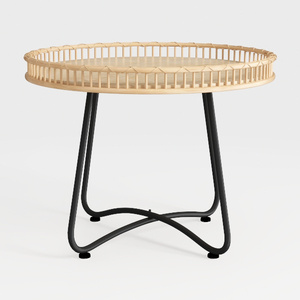
Minimalist Rattan Metal Round Side Table 3D Model
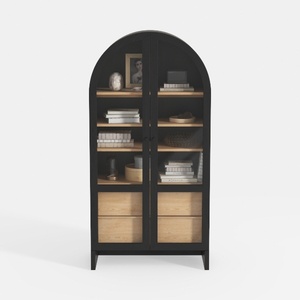
Minimalist Black Oak Arched Glass Display Cabinet 3D Model
Homestyler is your go-to online home design platform, perfect for both novices and experienced designers. With its user-friendly design tools, stunning 3D renderings, and a treasure trove of DIY video tutorials, you can effortlessly turn your home decor dreams into reality!
지금 무료로 디자인하세요
































